




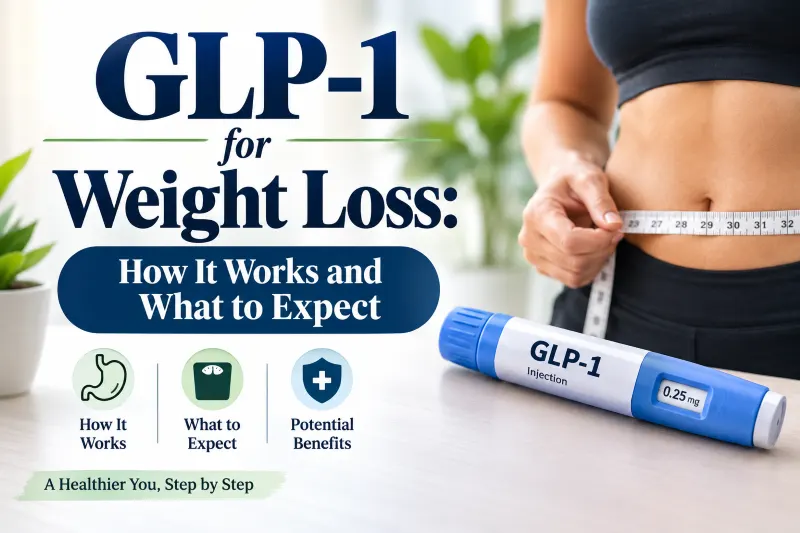
Weight loss can be challenging, especially when changes to diet and exercise alone do not produce the expected results. In recent years, GLP-1 medications have received significant attention for their role in weight management. These treatments were initially developed for conditions such as type 2 diabetes, but some GLP-1-based medications are also approved for chronic weight management.
So, how does GLP-1 work for weight loss, and what should someone expect when considering this approach? Let’s take a closer look.
What Is GLP-1?
GLP-1 stands for glucagon-like peptide-1, a hormone naturally produced in the body. It plays an important role in appetite regulation, digestion, and blood sugar control.
After eating, GLP-1 helps communicate with the brain and digestive system. It can contribute to feelings of fullness, influence how quickly food leaves the stomach, and support the body’s regulation of blood glucose.
GLP-1 receptor agonist medications work by mimicking some of these effects. Depending on the specific medication, they may be prescribed for diabetes, obesity, or chronic weight management.
How Does GLP-1 Help With Weight Loss?
GLP-1 receptor agonists are medications that imitate the actions of the natural GLP-1 hormone. These drugs interact with receptors in the brain and digestive system to help control appetite and food intake.
1. They Reduce Hunger
One of the biggest reasons people struggle with weight loss is persistent hunger. GLP-1 medications act on appetite-regulating centers in the brain, helping reduce cravings and making it easier to consume fewer calories throughout the day.
Many users report feeling satisfied with smaller portions and experiencing fewer urges to snack between meals.
2. They Slow Digestion
GLP-1 medications slow gastric emptying, meaning food stays in the stomach longer. This helps create a prolonged feeling of fullness after eating.
As a result, people often naturally reduce their calorie intake without feeling deprived.
3. They Improve Blood Sugar Control
Stable blood sugar levels can help reduce sudden hunger spikes and cravings. By supporting insulin release and regulating glucose levels, GLP-1 medications may make it easier to maintain healthier eating habits.
4. They Support Long-Term Weight Management
Unlike crash diets that often lead to rapid weight regain, GLP-1 therapies focus on changing appetite regulation and eating behavior over time. This may help some individuals achieve more sustainable weight loss when combined with healthy lifestyle changes.
What Medications Are We Talking About?
The GLP-1 category has expanded quickly. As of 2026, the medications people are most likely to encounter include:
- Semaglutide — sold as Wegovy (weight loss) and Ozempic (type 2 diabetes), available as a weekly injection. A higher-dose version, Wegovy HD (7.2 mg), was approved in March 2026 and showed greater average weight loss in trials than the original dose.
- Tirzepatide — sold as Zepbound (weight loss) and Mounjaro (type 2 diabetes). This one is technically a dual GIP/GLP-1 receptor agonist, meaning it activates a second gut hormone receptor alongside GLP-1, which is part of why it has shown some of the strongest average weight-loss results in trials.
- Oral semaglutide (Wegovy pill) — an oral tablet version that reached the market in early 2026, giving people a needle-free option for the first time.
- Orforglipron (Foundayo) — approved in 2026, this is a newer oral, non-peptide GLP-1 that doesn’t require food or water timing restrictions, unlike earlier oral GLP-1 formulations.
- Liraglutide (Saxenda) — an earlier-generation daily injection, largely superseded by the newer weekly options but still prescribed in some cases.
New combination drugs — including ones that pair GLP-1 with amylin receptor agonists — are in the pipeline and expected to push average weight-loss results even higher in the coming years.
Understanding the Full Benefits of GLP-1 Treatment
May Improve Heart Health
Some GLP-1 medications have been associated with cardiovascular benefits in certain individuals. Research suggests they may help reduce some risk factors linked to heart disease, particularly in people living with obesity or type 2 diabetes.
Can Help Reduce Obesity-Related Health Risks
Excess weight is often associated with conditions such as high blood pressure, insulin resistance, and elevated cholesterol levels. By supporting weight reduction, GLP-1 therapy may help lower the risk of developing certain obesity-related health concerns.
May Encourage Healthier Eating Habits
Many people find that GLP-1 treatment makes it easier to make mindful food choices. Reduced cravings and better portion control can support healthier eating patterns that are easier to maintain over the long term.
May Improve Physical Mobility and Daily Activity
Carrying excess body weight can place additional stress on joints and make physical activity more challenging. As weight decreases, some individuals report improved mobility, greater comfort during exercise, and increased participation in daily activities.
Can Enhance Overall Quality of Life
Successful weight management often leads to benefits beyond physical health. Many individuals experience increased confidence, improved self-image, and greater motivation to maintain healthy lifestyle habits, contributing to an improved overall quality of life.
What Happens During the First Few Weeks?
People often wonder what to expect when starting a GLP-1 medication.
Week 1–4
During the initial weeks, the body begins adjusting to the medication. Appetite reduction may become noticeable, and portion sizes often decrease naturally.
Some individuals experience mild digestive side effects during this phase.
Month 2–3
By this stage, many users report greater control over hunger and cravings. Weight loss may become more noticeable, especially when healthy eating habits are maintained.
Long-Term Use
Long-term treatment may continue producing weight loss while helping maintain healthier eating patterns. Healthcare providers often monitor progress and adjust dosing as needed.
What Can You Expect During Treatment?
Everyone responds differently to GLP-1 medications. Weight loss does not necessarily happen at the same rate every week.
Healthcare professionals commonly start certain medications at a lower dose and gradually increase it when appropriate. This approach can help the body adjust and may reduce gastrointestinal side effects.
During treatment, some people notice changes in appetite relatively early, while measurable weight loss generally develops over time.
It is important not to compare your progress directly with someone else’s. Factors such as starting weight, diet, activity level, medication type, dosage, and individual response can all affect results.
Who May Benefit From GLP-1 Weight Loss Treatment?
GLP-1 medications are generally considered for adults who:
- Have obesity (BMI of 30 or higher)
- Are overweight (BMI of 27 or higher) with weight-related health conditions
- Have struggled to lose weight through lifestyle changes alone
- Need additional support for long-term weight management
These medications are not intended as a quick fix or cosmetic solution. They are typically part of a comprehensive weight management plan that includes nutrition, physical activity, and ongoing medical supervision.
Common Side Effects
GLP-1 medications can cause side effects, particularly when treatment begins or the dose changes.
Commonly reported effects may include:
- Nausea
- Vomiting
- Diarrhea
- Constipation
- Abdominal discomfort
- Bloating
- Reduced appetite
For many people, gastrointestinal symptoms may improve as their body adjusts. However, significant or persistent symptoms should be discussed with a healthcare professional.
GLP-1 Treatment Is Not a Magic Solution
Although GLP-1 medications can be effective for some people, they should not be viewed as a shortcut that eliminates the need for healthy habits.
A sustainable weight-management plan may also include:
- Eating a nutrient-dense diet
- Getting adequate protein and fiber
- Staying physically active
- Drinking enough fluids
- Getting sufficient sleep
- Managing stress
- Following medical guidance
These habits can support overall health and may also help maintain progress over the long term.
Can Weight Return After Stopping GLP-1 Medication?
One important consideration is that some people regain weight after discontinuing treatment.
GLP-1 medications help regulate appetite while they are being used. If treatment stops and previous eating habits return, weight regain may occur.
This is why experts often emphasize building sustainable lifestyle habits alongside medication therapy.
A long-term weight management strategy typically includes healthy eating, physical activity, stress management, and ongoing support.
What Happens If You Stop Taking a GLP-1 Medication?
An important consideration is what happens after treatment ends. Appetite may return toward previous levels, and some people regain part of the weight they lost after discontinuing treatment.
This is one reason weight management is generally considered a long-term process rather than a short-term project. Anyone considering stopping a prescribed medication should discuss the decision with their healthcare provider instead of stopping it independently.
Are GLP-1 Medications Safe?
For many individuals, GLP-1 medications have been shown to be effective and generally well-tolerated when prescribed appropriately.
However, they may not be suitable for everyone. Medical history, existing health conditions, medications, and personal risk factors should all be evaluated before starting treatment.
A healthcare provider can determine whether a GLP-1 medication is appropriate based on individual circumstances.
Who May Consider GLP-1 Treatment?
Eligibility depends on the specific medication, health history, and regulatory approval. GLP-1-based medications used for weight management are generally intended for people who meet certain medical criteria related to body weight or weight-associated health conditions.
A healthcare professional can determine whether a particular treatment is appropriate.
These medications are not suitable for everyone, and certain medical conditions, medications, pregnancy-related considerations, or personal circumstances may affect whether they can be used.
GLP-1 vs. Lifestyle Changes
It is easy to think of medication and lifestyle changes as competing approaches, but they can serve different purposes.
Diet and physical activity provide the foundation for overall health. For eligible individuals, medication may provide additional support with appetite, food intake, and metabolic factors.
The most appropriate approach depends on the individual’s health goals and medical situation.
Tips for Getting the Most From a Weight-Loss Plan
If you are working toward healthy weight management, focus on habits that can realistically be maintained.
Prioritize Protein and Fiber
Protein can help support muscle maintenance, while fiber-rich foods can contribute to fullness and digestive health.
Stay Hydrated
Adequate fluid intake is important, particularly if appetite and food intake change.
Include Strength Training
Resistance exercises can help maintain muscle while losing weight. A healthcare or fitness professional can help create an appropriate exercise routine.
Monitor Your Progress
Instead of focusing only on the number on the scale, consider other indicators such as energy levels, strength, waist measurements, and improvements in health markers.
Editorial Policy
At Your Health Rights, we are committed to publishing accurate, balanced, and research-based health content. Every article is written to educate readers and encourage informed decisions rather than promote unrealistic expectations.
Frequently Asked Questions
1. How quickly does GLP-1 cause weight loss?
There is no universal timeline. Some people notice appetite changes early, while weight loss generally occurs gradually. Results depend on the medication, dose, individual response, lifestyle, and other factors.
2. Are GLP-1 medications safe?
Like all medications, GLP-1-based treatments can have risks and side effects. Whether a particular medication is appropriate depends on your health history. Always use these medications under appropriate medical supervision.
3. Can you lose weight with GLP-1 without exercising?
Weight loss can occur through reduced energy intake, but physical activity remains valuable for cardiovascular health, strength, fitness, and maintaining muscle. Your activity plan should match your health and physical abilities.
4. Will the weight stay off after stopping GLP-1 treatment?
Weight regain can occur after stopping treatment. Long-term weight management should therefore include sustainable nutrition, activity, and medical follow-up when appropriate.
5. How much weight can I expect to lose on a GLP-1 medication?
It depends on the specific drug and dose, but clinical trial averages range from roughly 15% of body weight with standard-dose semaglutide to over 20% with higher-dose semaglutide or tirzepatide, typically over 12–18 months of consistent use. Individual results vary.
6. What Happens After You Lose Weight on GLP-1?
After losing weight on GLP-1 therapy, maintaining healthy eating habits and regular physical activity becomes important for long-term success. Some people may continue treatment under medical supervision, while others may transition to lifestyle-based weight maintenance strategies. Without ongoing healthy habits, weight regain can occur after stopping the medication.
7. Can you stop taking GLP-1 after weight loss?
Yes, some people may stop taking GLP-1 medication after reaching their weight loss goals, but this decision should always be made with a healthcare provider. After discontinuation, appetite may increase and some weight regain can occur if healthy lifestyle habits are not maintained. Long-term success often depends on ongoing nutrition, exercise, and weight management strategies.
Final Thoughts
GLP-1 medications have changed the conversation around medical weight management by targeting biological pathways involved in appetite, digestion, and blood sugar regulation. For people who meet the appropriate medical criteria, they can be an effective part of a broader weight-management strategy.
However, they are not right for everyone, and they should not be used solely because they are popular. Understanding potential benefits, side effects, costs, and long-term considerations is important before starting treatment.
If you are considering a GLP-1 medication for weight loss, speak with a qualified healthcare professional who can evaluate your individual situation and help you choose the safest and most appropriate approach.
Disclaimer
This article is for informational and educational purposes only and does not constitute medical advice, diagnosis, or treatment. Always consult a qualified healthcare provider before starting, stopping, or changing any medication or weight loss program. Individual results may vary, and treatment decisions should be based on professional medical guidance.
Author


Mary Brown is a certified wellness coach and writer who focuses on nutrition, weight loss, and living a healthy life. Her main focus is creating honest product reviews and guides that assist readers in achieving fitness.