



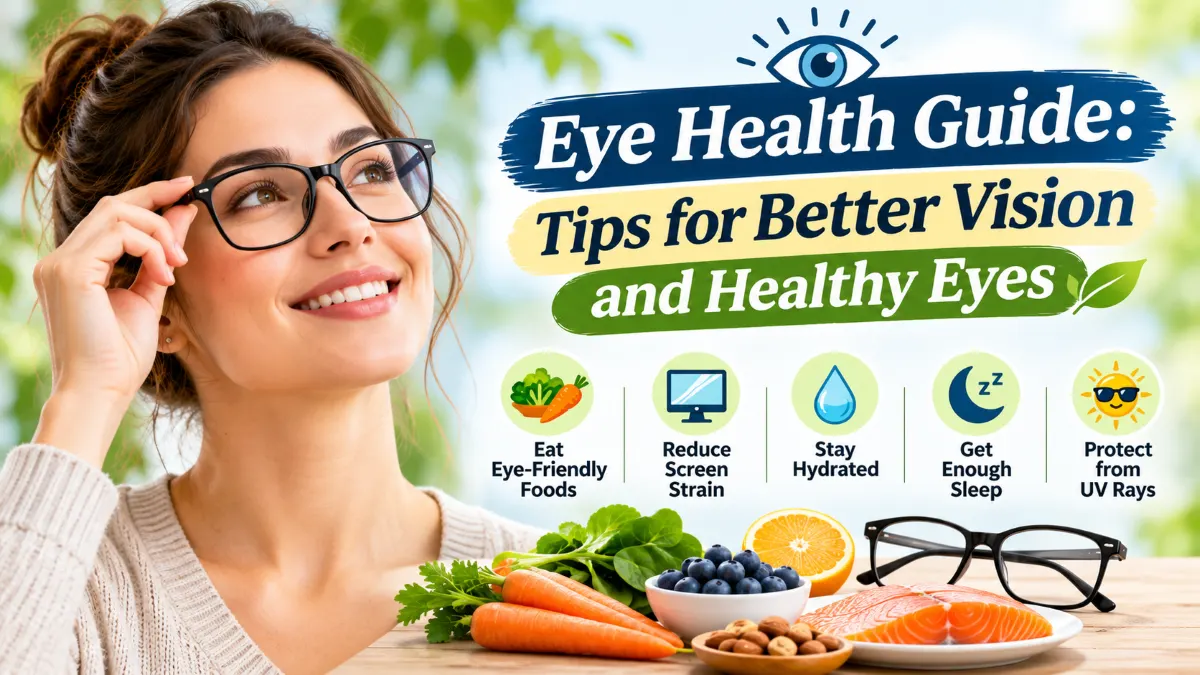
Your eyes play an important role in almost every part of your daily life, from reading and working to driving, watching videos, and enjoying the world around you. However, spending long hours in front of screens, poor dietary habits, insufficient sleep, environmental pollution, and aging can affect your overall eye health. Although some vision changes are a natural part of aging, adopting healthy habits can help support your eyes and protect your vision over time.
Maintaining good eye health does not always require complicated routines. Small changes, such as eating nutrient-rich foods, taking regular screen breaks, wearing sunglasses, staying hydrated, and scheduling routine eye examinations, can make a meaningful difference in your daily eye care routine.
This Eye Health Guide explains practical eye care tips, natural ways to support better vision, the role of nutrition, how to manage digital eye strain, and the best ways to protect your vision as you age. Whether you spend hours working on a computer, use a smartphone frequently, or simply want to take better care of your eyes, these strategies can help you build healthier habits.
Why Is Eye Health Important?
Eye health is an essential part of overall wellness. Your eyes help you recognize objects, read, navigate your surroundings, detect movement, and respond to light. Maintaining healthy eyes allows you to perform everyday activities comfortably and helps you notice potential vision problems early.
Some eye conditions, including glaucoma, diabetic eye disease, cataracts, and age-related macular degeneration, may develop gradually. In some cases, early stages of these conditions may not produce noticeable symptoms. That is why regular eye examinations are important, even if you believe your vision is normal.
Healthy habits may help reduce certain risk factors associated with eye problems, but they cannot prevent every eye condition or guarantee perfect vision.
By making small lifestyle changes, you can protect your eye health and support your overall well-being.
10 Eye Health Care Tips for Better Vision and Healthy Eyes
Following a consistent eye care routine can help reduce discomfort and support long-term vision health.
1. Eat a Balanced Diet Rich in Eye-Friendly Nutrients
Nutrition is one of the important factors that contributes to overall eye health. Your eyes need different nutrients to support normal function, maintain healthy tissues, and protect cells from oxidative stress.
Try to include the following foods in your regular diet:
- Spinach and kale: Rich in lutein and zeaxanthin, nutrients found in the retina.
- Carrots and sweet potatoes: Sources of beta-carotene, which the body can convert into vitamin A.
- Salmon and sardines: Provide omega-3 fatty acids.
- Oranges and strawberries: Contain vitamin C.
- Almonds and sunflower seeds: Provide vitamin E.
- Eggs: Contain nutrients such as lutein, zeaxanthin, and zinc.
Eating a variety of whole foods rather than relying on a single food is a practical approach to supporting better vision and overall wellness.
2. Follow the 20-20-20 Rule
If you work on a laptop, use a smartphone, or spend hours reading, your eyes may experience fatigue. Digital eye strain is common among people who frequently focus on screens for extended periods.
The 20-20-20 rule is a simple habit that can help reduce eye discomfort:
- Every 20 minutes, take a short break.
- Look at an object approximately 20 feet away.
- Focus on it for at least 20 seconds.
This routine gives your eyes a brief break from prolonged near-focus work and may help reduce symptoms such as tired eyes, discomfort, and difficulty focusing.
3. Protect Your Eyes from UV Rays

Sunlight contains ultraviolet radiation that can damage the eyes over time. Excessive UV exposure may contribute to certain eye problems, including cataracts and other damage to eye tissues.
One of the best ways to protect your vision outdoors is by wearing sunglasses that block 99% to 100% of UVA and UVB rays.
Consider these eye care tips when spending time outside:
- Wear UV-blocking sunglasses.
- Choose sunglasses that fit comfortably and provide good coverage.
- Wear a hat with a brim for additional protection.
- Use sunglasses even when the weather is cloudy.
- Avoid looking directly at the sun.
4. Blink More Often While Using Digital Devices
Blinking helps spread tears across the surface of your eyes and keeps them lubricated. However, people often blink less frequently while concentrating on computer screens, smartphones, or other digital devices.
Reduced blinking can contribute to dryness, irritation, burning sensations, or watery eyes.
To improve eye comfort:
- Remind yourself to blink regularly.
- Take breaks from screens.
- Avoid staring at your screen without interruption.
- Use lubricating eye drops when appropriate.
- Avoid placing air-conditioning vents directly toward your eyes.
If eye dryness becomes persistent, consult an eye care professional to determine whether you need treatment for dry eye.
5. Get Enough Sleep

Sleep is important for the body and may help support normal eye comfort and lubrication. Insufficient sleep can contribute to tired eyes, dryness, redness, and temporary difficulty focusing.
If you regularly stay up late using your phone or laptop, your eyes may feel uncomfortable the following morning.
To support healthy sleep:
- Maintain a consistent bedtime.
- Reduce screen use before bed.
- Keep your bedroom comfortable.
- Avoid rubbing your eyes when tired.
- Give yourself enough time to rest.
Good sleep habits are among the simplest natural eye care practices that support overall wellness.
6. Maintain Proper Screen Distance and Lighting
Working in poor lighting or sitting too close to a screen can make focusing more uncomfortable.
Although screen use does not automatically damage your eyes, long periods of close-up work may contribute to eye strain.
Try to keep your computer screen about an arm’s length away, adjust the brightness according to your surroundings, and position the screen slightly below eye level.
You should also avoid strong glare from windows or overhead lighting. A comfortable screen setup can help reduce unnecessary eye discomfort during long working hours.
7. Stay Physically Active

Regular physical activity supports cardiovascular health, circulation, and general wellness. These benefits may also help support eye health because conditions such as diabetes and high blood pressure can affect vision.
You do not need an intense workout routine to become more active.
Consider activities such as:
- Walking for 20 to 30 minutes.
- Stretching during work breaks.
- Cycling.
- Yoga.
- Swimming.
- Light strength training.
Maintaining a healthy lifestyle can help support the management of conditions that may increase the risk of vision-related complications.
8. Avoid Smoking

Smoking is associated with an increased risk of several eye diseases, including cataracts and age-related macular degeneration. It can also negatively affect overall health and circulation.
If you smoke, quitting is one of the important lifestyle changes you can make to support your long-term health, including your eyes.
Avoiding tobacco smoke and seeking support to quit smoking can be beneficial for your overall wellness.
9. Maintain Proper Contact Lens Hygiene
Contact lenses require proper cleaning, handling, and storage. Poor contact lens hygiene can increase the risk of eye infections, irritation, and other complications.
If you wear contact lenses, follow these precautions:
- Wash and dry your hands before handling lenses.
- Follow the recommended cleaning instructions.
- Never use tap water to clean contact lenses.
- Do not sleep in lenses unless specifically prescribed for that use.
- Replace lenses according to their schedule.
- Keep your lens case clean and replace it regularly.
- Avoid wearing contact lenses when your eyes are irritated.
If you experience redness, pain, sensitivity to light, or blurred vision while wearing contacts, remove them and seek prompt medical advice.
10. Schedule Regular Eye Examinations
Routine eye examinations are among the best ways to protect your vision.
An eye examination may help identify problems that are not obvious from your everyday vision, including certain eye diseases that can develop without early symptoms.
Your eye care professional may recommend examinations based on your age, medical history, family history, vision needs, and risk factors.
Do not wait until you experience blurry vision or eye discomfort before scheduling an eye examination.
The National Eye Institute recommends comprehensive dilated eye examinations because many eye diseases may not show noticeable warning signs in their early stages.
Why Eye Health Is Important for Your Overall Wellness
Maintaining good eye health is essential for enjoying a healthy and active lifestyle. Your eyes help you perform everyday activities such as reading, working, driving, and using digital devices, making proper eye health care an important part of your daily routine. With increasing screen time, unhealthy eating habits, lack of sleep, and environmental pollution, taking care of your eye health has become more important than ever.
Following simple eye care habits, eating nutrient-rich foods, and getting regular eye examinations can help support better vision and long-term eye health.
How Does Diet Affect Eye Health?

Diet plays an important role in maintaining healthy eyes because the body needs vitamins, minerals, antioxidants, and healthy fats to support normal eye function.
Certain nutrients help maintain the retina, support the surface of the eyes, and protect cells from oxidative damage. Eating a nutrient-rich diet may also support overall health and help reduce some risk factors associated with chronic conditions that can affect vision.
Here are some nutrients commonly associated with eye health.
| Nutrient | Potential role in eye health | Food sources |
| Vitamin A | Supports normal vision, especially in low-light conditions | Carrots, sweet potatoes, eggs |
| Lutein | Found in the retina and associated with antioxidant protection | Kale, spinach, broccoli |
| Zeaxanthin | Concentrated in the retina and supports retinal health | Corn, spinach, eggs |
| Vitamin C | Antioxidant that supports healthy tissues | Citrus fruits, strawberries, peppers |
| Vitamin E | Helps protect cells from oxidative stress | Almonds, seeds, avocados |
| Omega-3 fatty acids | Important for cellular function and may support tear health | Salmon, sardines, flaxseeds |
| Zinc | Plays a role in retinal function and vitamin A metabolism | Beans, seafood, nuts |
Foods You Can Add to Your Daily Diet
You do not need an expensive meal plan to support your eye health. A simple, balanced diet can provide many of the nutrients your eyes need.
Breakfast: Eggs, whole-grain toast, fruit, and a handful of nuts.
Lunch: A salad with spinach, carrots, tomatoes, chickpeas, and olive oil.
Snack: Oranges, berries, almonds, or yogurt.
Dinner: Salmon, lentils, or another protein source with vegetables and whole grains.
The goal is to eat a variety of foods throughout the week rather than depending on a single food or supplement.
The American Academy of Ophthalmology recommends a nutrient-rich diet that includes foods containing vitamins C and E, zinc, lutein, and zeaxanthin.
Discover Better Eye Care – Start Protecting Your Vision Today!
How to Improve Eye Health Naturally
Many people search online for how to improve eye health naturally. Although natural habits cannot reverse every vision problem, they can help support healthy eyes and reduce certain forms of discomfort.
Here are some practical ways to build a natural eye care routine.
Drink Enough Water
Staying hydrated supports normal bodily functions, including the production and maintenance of tears. Dehydration may contribute to dry or uncomfortable eyes in some people.
Drink water regularly throughout the day, particularly if you spend a lot of time in air-conditioned environments or working on digital devices.
Spend Time Outdoors
Spending time outdoors can support general physical and mental wellness. Outdoor activities also encourage movement and may help reduce the amount of uninterrupted close-up screen time.
For children, outdoor time is particularly important as part of a balanced lifestyle and may be associated with a lower risk of developing myopia, although the relationship depends on several factors.
Remember to wear sunglasses when appropriate to protect your eyes from UV exposure.
Avoid Rubbing Your Eyes
Rubbing your eyes frequently may irritate the eye surface, particularly if your hands are dirty or if your eyes are already dry, itchy, or inflamed.
Instead, wash your hands, use suitable lubricating drops if needed, or consult a healthcare professional if itching continues.
Keep Your Workspace Comfortable
If you work remotely or spend most of your day at a computer, your workspace can influence eye comfort.
Try to:
- Position your monitor at a comfortable distance.
- Reduce glare from windows.
- Use appropriate lighting.
- Adjust text size so you do not need to squint.
- Take regular breaks.
- Keep your monitor clean.
These small changes can make extended work sessions more comfortable.
What Is Digital Eye Strain and How Can You Manage It?
Digital eye strain is a group of symptoms that may occur after prolonged use of computers, smartphones, tablets, and other digital devices.
It is sometimes called computer vision syndrome. It can affect people who work on computers, students, office workers, online professionals, and individuals who spend significant time scrolling through social media or watching videos.
Common Symptoms of Digital Eye Strain
- Dry or irritated eyes.
- Temporary blurred vision.
- Headaches.
- Eye fatigue.
- Burning or itching sensations.
- Difficulty focusing after prolonged screen use.
- Neck or shoulder discomfort associated with poor posture.
These symptoms are generally associated with prolonged near work, reduced blinking, screen glare, and poor working conditions rather than the screen necessarily causing permanent damage to the eyes.
Practical Ways to Reduce Digital Eye Strain
Use the 20-20-20 rule: Give your eyes a short break every 20 minutes.
Adjust your screen brightness: Avoid screens that are much brighter or darker than the surrounding environment.
Increase text size: Comfortable text reduces the need to squint or lean closer.
Blink consciously: Frequent blinking helps keep your eyes lubricated.
Use artificial tears if needed: Suitable lubricating eye drops may help with dry eyes. Ask an eye care professional if symptoms persist.
Position your screen properly: Keep it around an arm’s length away and slightly below eye level.
The American Academy of Ophthalmology explains that prolonged digital device use can cause eye discomfort but does not necessarily permanently damage the eyes.
American Academy of Ophthalmology+1
Can Eye Health Supplements Support Better Vision?
A Vision Health Supplement may contain nutrients such as lutein, zeaxanthin, vitamin C, vitamin E, zinc, vitamin A, or omega-3 fatty acids.
These nutrients are commonly included in formulations designed to support eye health. However, taking supplements is not a universal solution for vision problems.
The benefits of supplementation depend on your nutritional status, the formulation, your health conditions, and whether a particular supplement has been studied for your specific eye condition.
What to Look for in a Vision Health Supplement
If you are considering an eye health supplement, review the following:
- Ingredients: Check the exact ingredients and amounts listed on the label.
- Quality: Look for credible manufacturing and quality-testing information.
- Safety: Check for interactions with medications or existing health conditions.
- Scientific evidence: Avoid products making unsupported promises about restoring eyesight.
- Professional guidance: Ask your healthcare provider whether a supplement is appropriate for you.
Certain specific supplement formulations have been studied for people with particular stages of age-related macular degeneration. These findings should not be interpreted as evidence that every eye supplement can prevent eye disease or improve eyesight.
Eye supplements cannot replace prescription glasses, contact lenses, eye examinations, or medical treatment. They also cannot reliably reverse refractive errors such as nearsightedness or farsightedness.
Best Ways to Protect Your Vision as You Age
Vision changes can happen at different stages of life. As people get older, they may experience difficulty focusing on nearby objects, increased sensitivity to light, dry eyes, or other changes.
Although aging cannot be stopped, adopting healthy habits may help support your eyes.
Eat More Nutrient-Rich Foods
Include vegetables, fruits, healthy fats, fish, nuts, and whole grains in your diet. Nutrient-rich foods support overall wellness and may help support eye health.
Manage Blood Sugar and Blood Pressure
Diabetes and high blood pressure can affect blood vessels and may increase the risk of eye complications.
If you have these conditions, following your healthcare provider’s treatment plan, attending regular checkups, and managing your health can help protect your eyes.
Protect Your Eyes from Injury
Wear protective eyewear during sports, construction work, gardening, home repairs, and activities involving chemicals or flying particles.
Many eye injuries can be prevented by using suitable protection.
Avoid Smoking
Smoking is associated with increased risk of certain eye conditions. Avoiding tobacco can support long-term eye and overall health.
Get Regular Eye Exams
Routine examinations can help detect eye diseases early, including some conditions that may not cause noticeable symptoms.
Maintain a Healthy Lifestyle
Physical activity, adequate sleep, balanced nutrition, and regular medical care all contribute to general wellness and can support conditions that influence eye health.
Common Eye Health Myths and Facts
| Myth | Fact |
| Eating carrots alone can give you perfect vision. | Carrots provide vitamin A-related nutrients, but a balanced diet is more important than relying on one food. |
| Using computers permanently damages your eyes. | Prolonged screen use can cause eye strain, but it does not necessarily permanently damage the eyes. |
| Eye exercises can eliminate the need for glasses. | Eye exercises cannot reliably correct refractive errors such as myopia or astigmatism. |
| Wearing glasses weakens your eyes. | Properly prescribed glasses help you see clearly and do not weaken your eyes. |
| Eye problems always cause symptoms early. | Some eye diseases may develop without noticeable symptoms. |
| Eye supplements can restore perfect vision. | Supplements may support specific nutritional needs or conditions but cannot restore perfect eyesight for everyone. |
When Should You See an Eye Doctor?
Although everyday eye care habits can help support healthy vision, certain symptoms require professional attention.
Seek urgent medical evaluation if you experience:
- Sudden loss or significant reduction in vision.
- Sudden flashes of light.
- A sudden increase in floaters.
- A dark curtain or shadow across your vision.
- Severe eye pain.
- Significant eye redness accompanied by pain or vision changes.
- Eye injury or chemical exposure.
If you experience ongoing blurry vision, headaches, persistent dryness, difficulty seeing at night, or frequent eye discomfort, schedule an eye examination.
An eye care professional can evaluate your symptoms and recommend appropriate treatment.
Support Your Eye Health with ClearVue+
Looking to support your daily eye care routine? ClearVue+ may be worth exploring as part of a healthy lifestyle focused on vision wellness, balanced nutrition, and everyday eye care.
Explore ClearVue+ and learn more about supporting your eye health!
Frequently Asked Questions (FAQs)
1. How can I improve my eye health naturally?
You can support your eye health naturally by eating a balanced diet, staying hydrated, getting enough sleep, exercising regularly, taking screen breaks, wearing UV-protective sunglasses, and scheduling regular eye examinations. These habits support overall health but cannot reverse all vision problems.
2. What are the best foods for healthy eyes?
Spinach, kale, carrots, sweet potatoes, eggs, salmon, oranges, almonds, broccoli, and berries are nutritious choices. These foods provide vitamins, antioxidants, healthy fats, and other nutrients that help support normal eye function.
3. Does screen time damage your eyes?
Extended screen use can cause digital eye strain, dryness, temporary blurred vision, and headaches. However, using computers or smartphones does not necessarily cause permanent eye damage. Taking regular breaks, blinking frequently, and adjusting your screen setup can help reduce discomfort.
4. How does the 20-20-20 rule help your eyes?
The 20-20-20 rule encourages you to look at something approximately 20 feet away for 20 seconds every 20 minutes. It helps break up prolonged near-focus work and may reduce digital eye strain.
5. Can vitamins improve eyesight?
Certain vitamins and nutrients are important for normal eye function. Vitamin A, vitamin C, vitamin E, zinc, lutein, and zeaxanthin are associated with eye health. However, supplements do not necessarily improve eyesight or correct vision problems in people who already have adequate nutrition.
6. How can I protect my eyes from sunlight?
Wear sunglasses that block 99% to 100% of UVA and UVB rays. You can also wear a brimmed hat and avoid looking directly at the sun. UV protection is important throughout the year, not only during summer.
7. Can drinking water help with dry eyes?
Staying hydrated supports normal bodily functions and may help when dehydration contributes to discomfort. However, dry eye can have several causes, including environmental factors, medications, and problems with tear production or evaporation. Persistent dry eyes may require professional evaluation.
8. What is the best way to reduce digital eye strain?
Take regular breaks, follow the 20-20-20 rule, blink frequently, reduce glare, adjust your screen brightness, use comfortable text sizes, and maintain a suitable viewing distance. If symptoms continue, consider getting your eyes examined.
Conclusion: Build Healthy Habits for Better Vision
Maintaining good eye health is about more than simply seeing clearly. It involves protecting your eyes from environmental damage, supporting your body with proper nutrition, reducing digital eye strain, managing underlying health conditions, and identifying potential eye problems early.
The best ways to protect your vision include eating a balanced diet, taking regular breaks from screens, wearing sunglasses, getting adequate sleep, staying physically active, and scheduling routine eye examinations.
If you spend long hours working on a computer or using a smartphone, start with a few simple changes. Follow the 20-20-20 rule, blink regularly, and make your workspace more comfortable. If you want to support your eyes through nutrition, include more colorful fruits, vegetables, fish, nuts, and whole foods in your daily meals.
Healthy eyes begin with consistent everyday habits. Small steps today can help you take better care of your vision and overall wellness in the long run.
Scientific References and Trusted Resources
For readers interested in learning more about eye health, nutrition, vision protection, and digital eye strain, the following resources offer reliable information:
- National Eye Institute (NEI) – Keep Your Eyes Healthy
- American Academy of Ophthalmology – Diet, Nutrition, and Eye Health Supplements
- American Academy of Ophthalmology – Computers, Digital Devices, and Eye Strain
- American Academy of Ophthalmology – Protect Your Eyes
- National Eye Institute
- Centers for Disease Control and Prevention (CDC)
Health disclaimer: This article is intended for informational and educational purposes only. It does not replace professional eye care, diagnosis, or medical advice.
Author


Your Health Rights is a U.S.-based health and wellness platform dedicated to empowering readers with clear, research-backed content across Men’s Health, Women’s Health, Weight Loss, Health Supplements, and Immunity & General Wellness.