





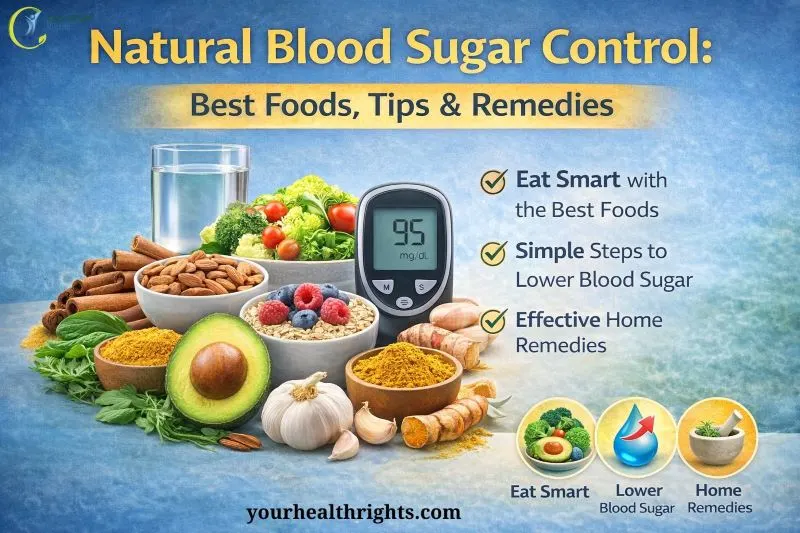
Ever notice how a simple afternoon crash can leave you feeling tired, hungry, and craving something sweet? That’s often your blood sugar speaking to you. Maintaining blood sugar balance isn’t just important for people with diabetes or prediabetes—it matters for everyday energy, focus, and your long-term health. With diabetes affecting hundreds of millions worldwide and about 1 in 8 Americans, learning how to keep blood sugar in control naturally is more useful than ever.
The good news is that with a combination of physical activity, better stress management, hydration, better sleep, a better diet, and natural herbs or blood sugar supplements, you can keep your sugar in control. In this guide, we will break down what helps, what hurts, and what actually works.
What Is Blood Sugar and How Does It Work?
You can think of blood sugar or glucose as your body’s main fuel that helps your body work properly. When you eat something, your body breaks it down into this sugar (glucose), which then travels through your bloodstream to your cells for energy production.
However, sugar cannot enter cells by itself. It requires the help of a “key” to enter cells, which is an important hormone known as insulin. When insulin is working properly, it allows sugar to enter cells, which helps to keep your blood sugar in check.
However, consuming excessive amounts of sugar or highly processed items, alongside a lifestyle of sitting for long stretches, forces the body to work much harder by pumping out extra insulin. Over time, your cells begin to lose their sensitivity, failing to respond to insulin the same way they once did. This condition is what we call insulin resistance.
In this condition, sugar remains in your bloodstream instead of being used as a fuel for energy, which results in increased bloods sugar. Over time, this increases the risk of serious health issues like heart disease, eyesight issues, and kidney damage.
In simple terms, It is the main sugar in your blood and is used as the primary source of energy.
Common Blood Sugar Symptoms
Your body starts giving you warning signs when your blood sugar levels are out of balance. Knowing about these symptoms can help you significantly with blood sugar control.
High Blood Sugar Symptoms (Hyperglycemia)
When your body is not able to use sugar properly for whatever reason, the amount of sugar starts increasing in your blood. Over time, to remove extra sugar, your body overworks, which can make you experience the following:
- Extreme Thirst
- Frequent Urination
- Constant hunger
- Blurry Vision
- Slow-Healing Wounds
- Extreme Fatigue
Low Blood Sugar Symptoms (Hypoglycemia)
On the opposite side, low blood sugar happens when your levels drop below 70 mg/dL. This can happen when you skip meals, take too much diabetes medicine, or exercise for long hours without eating. In this, you might experience the following:
- Shakiness, trembling, or feeling jittery.
- Sudden sweating or chills.
- Irritability and anxiety (often called being “hangry”).
- Dizziness, confusion, or a fast heartbeat.
Knowing about these early symptoms is a part of blood sugar support tips. It helps you notice them in the early stage and take proper action according to the problem.
How to Check Your Blood Sugar and Understand the Numbers
You cannot always tell your blood sugar levels from symptoms and how you are feeling. Some people don’t feel anything even when their numbers are not balanced, which makes blood-sugar tests so important.
Fasting Blood Sugar Test
This is the most common blood sugar test. This is done after not eating anything for at least 8 hours. According to the CDC, the usual ranges are:
- Normal blood sugar levels: 99 mg/dL or lower
- Prediabetes: 100 to 125 mg/dL
- Diabetes: 126 mg/dL or higher
A1C Test
Another blood sugar test is A1C. This test is a little different. Unlike a fasting blood sugar test, it shows the average blood sugar number over the past 2-3 months. The ranges of this test are:
- Normal: below 5.7%
- Prediabetes: 5.7% to 6.4%
- Diabetes: 6.5% or higher
For better understanding, you can think of a fasting test as a quick snapshot and the A1C test as a short video of your blood sugar history.
If you find your numbers unbalanced, don’t panic. You can balance it levels naturally with simple habits and lifestyle changes.
The Best Foods For Blood Sugar Control
One of the most effective ways to control bloodsugar naturally is by eating better food. The National Institutes of Health (NIH) strongly highlights that a diet rich in vegetables, whole grains, legumes, and lean proteins can drastically improve your health. Here are some of the best foods to balance blood sugar.
1. Leafy Greens and Non-Starchy Vegetables

Vegetables such as broccoli, spinach, kale, cauliflower, and zucchini are some of the best options to improve your blood sugar balance. They don’t cause a blood sugar spike. And they are full of fiber, vitamins, and minerals. Fiber is very helpful for balancing blood sugar because it is hard to break down, which slowly increases blood sugar.
2. Beans, Lentils, and Legumes
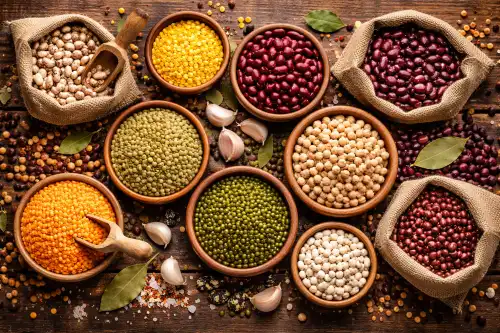
If you want something that keeps you full and provides long-lasting energy, then beans, lentils, and legumes are the best option. They contain a great combination of plant protein and soluble fiber. Soluble fiber traps sugars and releases them slowly rather than suddenly at once.
3. Whole Grains (Not Refined Grains)
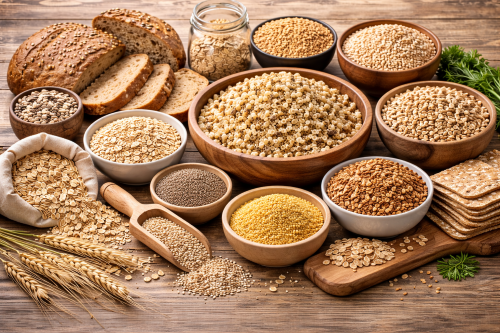
While carbs are not completely bad for blood sugar, refined carbs are. Instead of white bread and white rice, choose whole grains like quinoa, barley, steel-cut oats, and brown rice. Even the NIH highlights that whole grains play an important role in preventing diabetes.
4. Healthy Fats

Fats don’t affect your blood-sugar directly, but they play a crucial supporting role. When you add healthy fats to your meals, it slows down digestion. This means the carbs you eat with healthy fats will enter your bloodstream. Some of the best options are nuts like almonds and walnuts, avocados, olive oil, and seeds like chia and flaxseeds.
5. Lean Proteins

Same as fats, protein also doesn’t cause sudden blood-sugar spikes. Protein helps you feel full and satisfied, which lowers the cravings for sugary snacks. Some of the best options are skinless chicken, turkey, fish, eggs, tofu, and Greek yogurt.
6. Berries and Apples
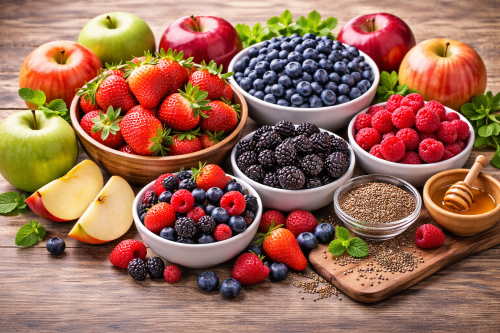
Many people think fruits can be harmful, but that is not completely true. Fruits are rich in essential antioxidants and fiber. The important thing is to choose the right fruits. Apple, strawberries, blueberries, and raspberries are some of the best options you can choose.
Foods to Limit or Avoid
To maintain a healthy blood sugar balance, it is equally important to know what not to eat.
- Sugary Drinks: Because they are liquids without any fiber, the sugar goes straight into your bloodstream instantly.
- Refined Carbs: Your body processes them almost exactly like pure sugar.
- Highly Processed Foods: They are often secretly loaded with added sugars, unhealthy trans fats, and excess sodium.
Simple Blood Sugar Control Tips for Daily Lifestyle
Other than your diet, your daily lifestyle and habits help significantly with natural blood sugar control. Here are some of the most effective ways to maintain blood sugar balance.
1. Get Moving Every Day
Moving your body regularly is a powerful and effective way to balance blood sugar levels. Activities like walking, running, cycling, or lifting weights need energy. To get that energy, your muscles take glucose from your bloodstream. Meaning, it will help you maintain normal blood sugar levels.
2. Prioritize High-Quality Sleep
Another important part of your lifestyle that often gets overlooked is sufficient sleep. Not sleeping enough can affect your bloodsugar by releasing a stress hormone called cortisol. High levels of cortisol make insulin not work properly, which keeps blood sugar levels high. Try to sleep for at least 7-9 hours each night.
3. Manage Your Stress Levels
Managing stress is also crucial for maintaining sugar balance. During stress, your body enters “fight or flight” mode, which causes the release of stored sugar (glucose) into your blood so that you have energy to deal with the situation. If you are constantly stressed, your sugar levels will also stay high. Try activities and methods that keep you calm and help manage stress.
4. Drink Plenty of Water
Staying hydrated is also important. When you are dehydrated, your blood becomes more concentrated, which means the ratio of sugar will also be higher. You should drink enough water so the kidney flushes out excess sugar through urine. Prefer plain water and avoid sugary drinks.
Simple Home Remedies That May Help Blood Sugar Control
Some home remedies may help to control blood sugar levels. These are not a cure and should never replace a healthy diet, exercise, or medicines your doctor advised. These are like support for the main methods. Some of these are:
1. Apple Cider Vinegar
Apple cider vinegar is one of the most well-known home remedies for blood sugar support. Some studies show that it may improve insulin sensitivity and may reduce sudden spikes in sugar after eating. Always mix it with water before drinking, because it can be rough.
2. Cinnamon
This simple spice is already used by many people in coffee, oatmeal, yogurt, or smoothies. According to research, it may help your body use sugar better. It can be an easy way to add flavor without sugar.
3. Fenugreek Seeds
The seeds have been used for centuries in cooking and home remedies. They are rich in fiber, which might slow down the absorption of carbs. You can drink them in the morning by soaking them in water overnight.
4. Chia Seeds
These seeds are small but are fiber-rich. When mixed with liquid, they form a gel-like texture, which helps to slow down your digestion. This can help to keep normal bloodsugar levels.
Home remedies for blood sugar may not be very helpful. Still, when done regularly with better eating, proper sleep, exercising, better stress management, and healthy habits, they can help you significantly over time. However, you should consult with your doctor if you have any serious health issues before using anything.
When to Seek Professional Help for Blood Sugar
When it comes to blood sugar support, getting professional help at the right time is important because home remedies, foods, exercise, and healthy habits are not enough. You should go to a doctor if you:
- Think your it may be off. A proper blood sugar test can help you understand what is really going on.
- Are you experiencing common warning signs like constant thirst, frequent urination, blurry vision, unusual tiredness, shakiness, or sudden weight changes?
Getting help early on can make it easier to control your bloodsugar naturally and help you avoid bigger health problems.
Final Thoughts
You can effectively improve your blood sugar control, even with small habits such as eating healthy foods, exercising daily, managing stress, sleeping properly, staying hydrated, and exploring simple home remedies.
There is no magic blood sugar formula that works instantly. That’s why it’s so important to learn everything you can about bloodsugar, including its symptoms, tests, and natural ways to keep it in check and stay regular with them. These small changes can have a big effect on your balance and long-term health over time.
Frequently Asked Questions
1. What are the most common high and low blood sugar symptoms?
Some common high blood sugar symptoms are feeling very thirsty, frequently going to urinate, blurry vision, and feeling too tired. Shakiness, sweating, hunger, dizziness, or confusion are for low bloodsugar. If you experience any of these, you should visit a doctor.
2. What are normal blood sugar levels?
Normal blood-sugar for fasting tests is under 99 mg/dL. According to the CDC, levels of 100-125 mg/dL indicate prediabetes, and more than 126 mg/dL indicates you have diabetes. Your number can be different according to your health; that’s why you should visit a doctor for better and clear results.
3. What are the best foods for blood-sugar balance?
The best foods control are those rich in fiber and that are not heavily processed. Green leafy vegetables, beans, whole grains, lentils and legumes, some fruits, lean protein, and healthy fats are the best-known options. These foods digest slowly, which doesn’t increase blood sugar suddenly.
4. Do home remedies for blood sugar really help?
Yes, home remedies help to support blood-sugar control naturally. However, they are not a cure but only a small support. That’s why it’s best to use them with other main methods.
5. When should I see a doctor about my blood sugar?
If your bloodsugar is high or low for a long time and you have symptoms, then it’s time to visit a doctor and get proper medical help. He can help you by doing a blood sugar test and giving you a treatment plan according to that.
Author


Richard Miller is a lifestyle and health writer. His main focus is on improving daily healthy habits, energy levels, and overall wellness. He provides practical and evidence-based blogs and guides to ensure his readers receive value.


