




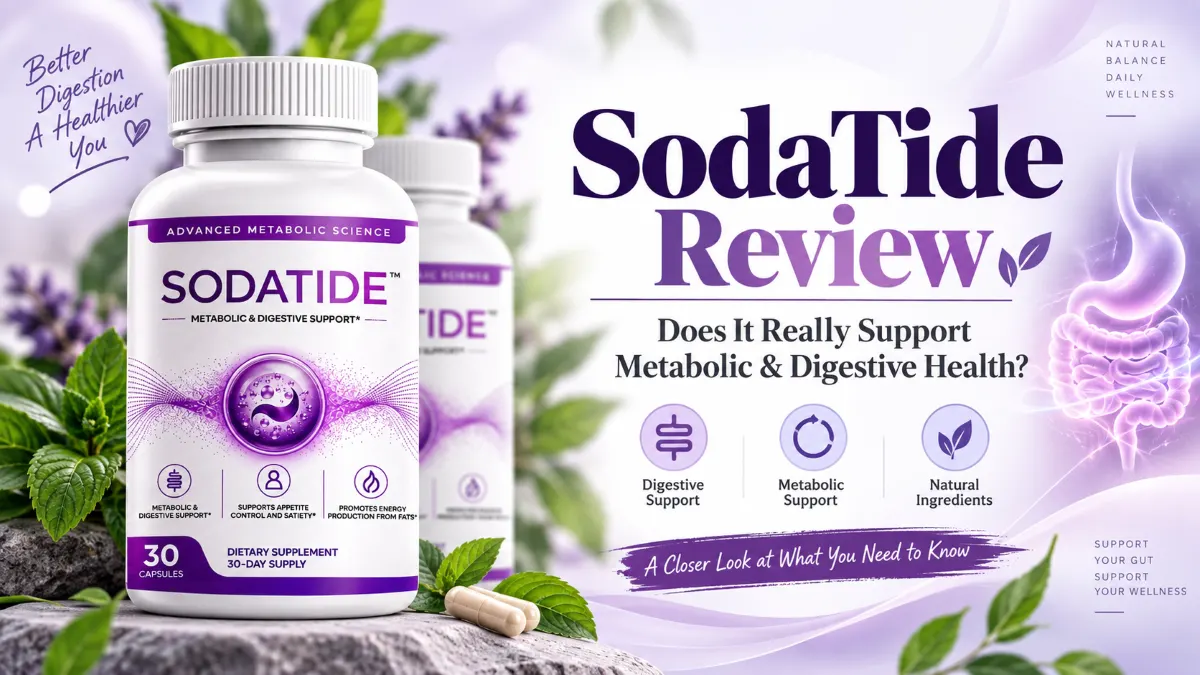
SodaTide is a supplement name that has attracted attention from people looking for additional support for digestion, gut wellness, and healthy metabolic function. But before purchasing any supplement in this category, it is worth looking beyond marketing language and asking a more practical question: what does the product actually contain, what evidence supports those ingredients, and what can users reasonably expect?
In this SodaTide review, we take a closer look at the potential purpose of SodaTide, the science behind digestive and metabolic wellness, safety considerations, how supplements like this compare with food-based approaches, and what consumers in the United States should check before ordering.
One important limitation should be made clear from the beginning. Publicly accessible, independent scientific evidence specifically testing the finished SodaTide formula was not available in the sources reviewed for this article. That means evidence about individual ingredients or the broader category of digestive and metabolic supplements should not automatically be interpreted as evidence that SodaTide itself has been clinically proven to produce the same results.
That distinction matters. A supplement may contain ingredients with research behind them, but the actual product still needs to be evaluated based on its precise formula, ingredient quantities, manufacturing standards, and available evidence.
What Is SodaTide?
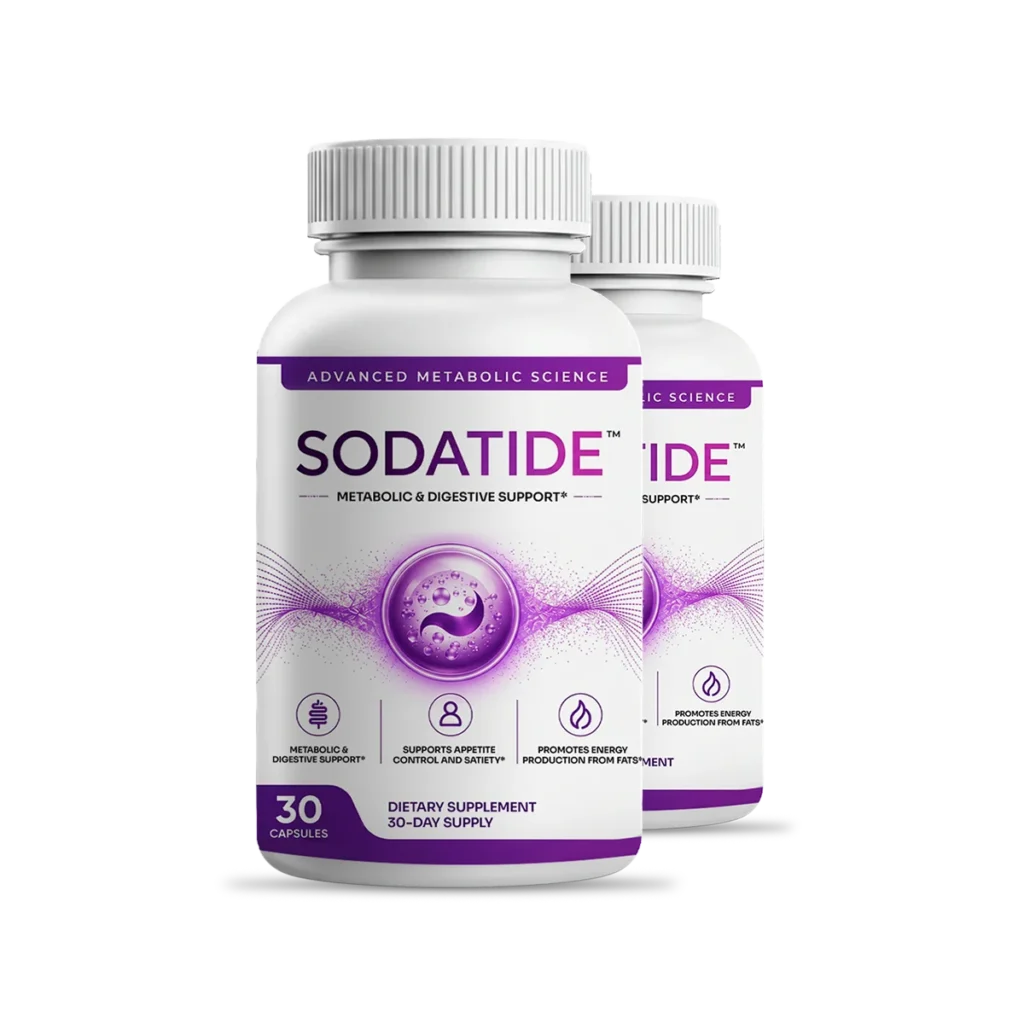
SodaTide is marketed in the general category of supplements intended to support digestive and metabolic wellness. Products in this category are often positioned around areas such as digestion, gut microbiome balance, nutrient processing, energy metabolism, regularity, or maintaining healthy metabolic function.
However, consumers should distinguish between a product’s marketing description and established clinical evidence.
The human digestive system is influenced by many factors, including dietary fiber, fluid intake, physical activity, sleep, stress, medications, age, existing medical conditions, and the composition of the gut microbiome. Metabolic health is similarly broad. It can involve blood glucose regulation, insulin sensitivity, blood lipids, body composition, blood pressure, physical activity, and overall dietary patterns.
This is why a single capsule, powder, gummy, or other supplement should not be viewed as a replacement for a healthy diet or medical treatment.
For readers researching SodaTide, the most important first step is to find the current product label and confirm the exact ingredients and amounts. Without that information, it is impossible to make a responsible ingredient-by-ingredient assessment.

Why Are Digestive and Metabolic Supplements So Popular?
Digestive wellness has become an increasingly important part of the broader conversation around healthy living. People commonly look for products that may help them maintain comfortable digestion, regular bowel habits, and a healthy gut environment.
The gut is not simply a tube responsible for processing food. It contains a complex microbial ecosystem that interacts with dietary components and the body’s physiology. Research supported by the National Institute of Diabetes and Digestive and Kidney Diseases has demonstrated that diet can influence the composition and function of the gut microbiome and can affect energy balance.
Metabolic health is closely connected with lifestyle as well. Dietary patterns, fiber intake, physical activity, body weight, sleep, and other factors can influence how the body handles nutrients.
This helps explain why consumers are interested in products such as SodaTide. The appeal is understandable: people often want a convenient addition to their daily routine. But convenience should not be confused with proven effectiveness.
How Could SodaTide Potentially Support Digestive Wellness?
The answer depends entirely on the ingredients included in the actual formula.
For example, probiotics are live microorganisms that may provide health benefits when consumed in adequate amounts. According to the National Institutes of Health Office of Dietary Supplements, probiotic products can contain one or multiple strains, and different strains can have different effects. Importantly, not every product labeled as a probiotic has demonstrated a health benefit.
If a particular SodaTide formula contains probiotics, the relevant questions would include:
- Which probiotic strains are included?
- How many viable organisms are provided?
- Is the amount stated at the end of shelf life?
- Has the specific strain been studied?
- What condition or outcome was examined in research?
- Does the product provide prebiotic ingredients as well?
- Are storage requirements clearly explained?
These details matter because “probiotics” is a broad category rather than one single ingredient.
Some research has found potential benefits for specific digestive problems, but results can vary considerably depending on the strain, dose, duration, and person taking the product. The NIH notes that additional high-quality research is still needed for many proposed uses.
Therefore, if SodaTide contains probiotics, it would be more accurate to say that the formula may provide ingredients associated with digestive wellness, rather than claiming that the finished product has been clinically proven to improve everyone’s digestion.
SodaTide and Metabolic Health
The metabolic side of the discussion requires similar caution.
Metabolism describes the collection of chemical processes that allow the body to obtain and use energy. People sometimes use the word “metabolism” as shorthand for weight loss, but metabolic health is much broader than the number on a bathroom scale.
Healthy metabolic function is influenced by food quality, physical activity, sleep, body composition, genetics, age, and other factors.
Research into the gut microbiome has also produced interesting findings. In a controlled human feeding study discussed by NIDDK, a diet designed to provide more fiber and other nourishment to the gut microbiome changed microbial composition and function and was associated with changes in energy balance and body fat stores.
That research is useful context, but it should not be interpreted as proof that SodaTide causes weight loss or improves metabolic markers.
In other words, the science supports the importance of overall diet and gut health, while the evidence for any particular commercial product must be evaluated separately.
SodaTide Ingredients: What Is Inside?
The product’s published ingredient information identifies chicory root inulin, potato resistant starch, and a probiotic blend. The exact formulation information should always be checked against the bottle received because supplement labels and formulations can change.
Chicory Root Inulin
Inulin is a type of soluble, fermentable dietary fiber. Because it is not fully digested in the upper digestive tract, it can reach the colon, where gut microorganisms can ferment it.
This is important because fermentation of dietary fiber can produce short-chain fatty acids, including acetate, propionate, and butyrate. Research has connected these microbial metabolites with several aspects of gastrointestinal and metabolic physiology.
Inulin is therefore one of the more recognizable ingredients in a formula designed around gut microbiome support. However, increasing fermentable fiber too quickly can also cause temporary gas, bloating, or changes in bowel habits in some people.
Potato Resistant Starch
Resistant starch behaves differently from ordinary starch because a portion resists digestion in the small intestine and reaches the large intestine. There, it can become a substrate for gut microorganisms.
Research on resistant starch and other fermentable fibers has investigated their possible effects on glucose regulation, insulin sensitivity, appetite, and metabolic markers. However, results depend on the type of resistant starch, dose, duration, and characteristics of the person consuming it.
That distinction matters when evaluating any supplement. A study involving several grams of resistant starch cannot automatically be used to claim that a particular capsule containing a much smaller amount will produce the same effect.
Probiotic Blend
The product also lists a probiotic blend. Probiotics are live microorganisms that are used in foods and supplements because particular strains may influence digestive function and other aspects of health. The NIH notes that probiotic effects are strain-specific, meaning simply seeing the word “probiotic” on a label does not tell you exactly what outcome to expect.
For this reason, shoppers should look beyond the general probiotic label and check the exact organisms, strain identification, colony counts, storage requirements, and expiration information whenever those details are available.
Can SodaTide Help With Gut Health?
The phrase “gut health” covers a surprisingly large area.
The digestive tract contains a diverse microbial community, and scientists continue to investigate how microorganisms interact with diet, immune function, metabolism, and other physiological processes.
The NIH explains that probiotics can act in the digestive tract, but their effects depend on the microorganisms involved. Different strains can have different outcomes, and evidence for one strain cannot automatically be transferred to another.
This is especially important when evaluating marketing statements.
If a product says it supports the gut microbiome, consumers should ask:
- Which microorganisms or ingredients are actually present?
- At what dose?
- Is there human research on those specific components?
- Was the research performed in a population similar to the intended user?
- Was the study performed on the finished product or only on an individual ingredient?
Those questions help separate scientific evidence from general marketing language.
SodaTide Pricing Details

The cost of a supplement can change because manufacturers may offer different package sizes, discounts, subscriptions, or promotional bundles.
For that reason, it is better to verify the current checkout page and product label rather than relying on an old article or screenshot.
SodaTide Side Effects and Safety
Safety is another area that deserves attention.
The fact that a product is labeled “natural” does not automatically mean it is risk-free. The FDA advises consumers that dietary supplements can interact with medications, affect laboratory tests, or cause adverse effects in some circumstances.
People should be particularly careful if they:
- Take prescription medications.
- Have an existing medical condition.
- Are pregnant or breastfeeding.
- Are preparing for surgery.
- Have a weakened immune system.
- Are taking multiple supplements.
- Have previously experienced reactions to supplement ingredients.
For probiotic-containing products specifically, the NIH notes that side effects are generally limited for many healthy people, but safety concerns can be greater for individuals with certain underlying health conditions.
Because the current verified SodaTide formula was not available in the independent sources reviewed, it would be inappropriate to state a specific list of product-specific adverse effects.
Instead, consumers should read the complete label and discuss the product with a physician, pharmacist, or registered dietitian when medication interactions or medical conditions are concerns.
Where Can You Buy SodaTide?
Check SodaTide Availability on the Official Website
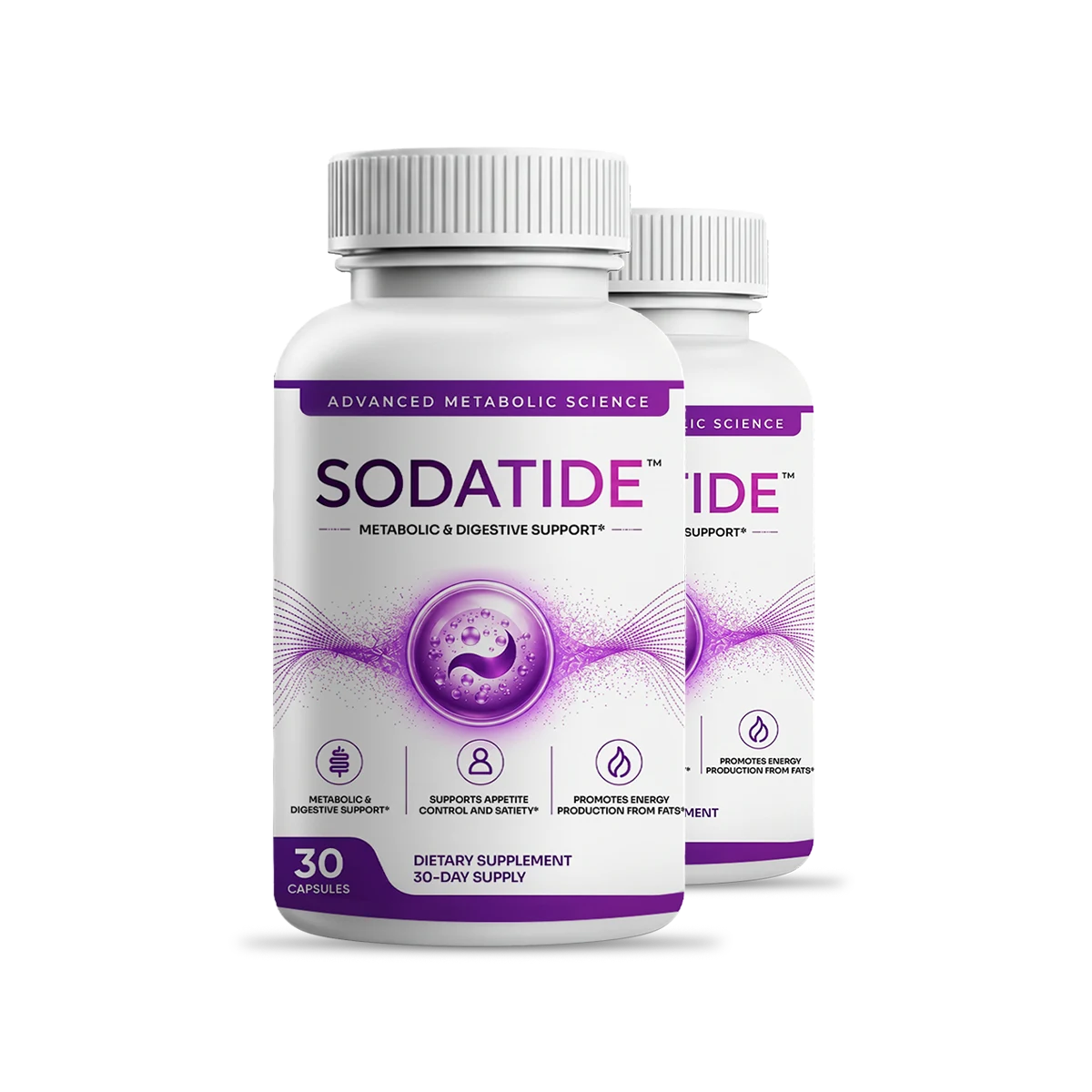
- Supports Digestive Health
- Supports Healthy Metabolism
- Promotes Gut Health Support
- Designed for Daily Wellness
The manufacturer/distributor directs customers toward its own online store. If you decide to purchase, check that you are on the legitimate seller’s website and review the refund, shipping, and product details before completing payment.
You can check the current product information through the SodaTide Official Website.
Avoid assuming that a product sold through an unrelated marketplace is automatically covered by the same guarantee or comes from the same source.
SodaTide vs. Food-Based Digestive Support
One useful comparison is between a supplement routine and food-based wellness.
| Area | SodaTide | Food-based approach |
| Convenience | Designed for easy daily use | Requires meal planning |
| Nutrient variety | Depends on formulation | Can provide many nutrients and plant compounds |
| Fiber | Depends on ingredients | Easily obtained from vegetables, fruits, beans and whole grains |
| Probiotics | Depends on formula | Available naturally in some fermented foods |
| Scientific evidence | Must be evaluated for the specific formula | Strong evidence supports healthy dietary patterns |
| Personalization | Depends on individual formula | Diet can be adjusted to personal needs |
| Cost | Recurring supplement expense | Varies according to food choices |
Neither approach should automatically be treated as a universal solution.
For someone with an otherwise balanced diet, a supplement may not be necessary. For another person, a healthcare professional may recommend a particular nutrient or supplement based on an identified need.
U.S. Case Study: A Hypothetical Consumer
Consider a hypothetical 42-year-old adult living in Texas who works at a desk most of the day. The person eats a relatively low-fiber diet, relies on convenience foods during the workweek, drinks insufficient water, and experiences occasional bloating and irregular bowel habits.
They see an advertisement for SodaTide that discusses digestive and metabolic wellness.
Instead of immediately purchasing it, the person first speaks with a healthcare professional, reviews the Supplement Facts panel, checks the serving size, and compares the listed ingredients with established scientific resources.
The person also makes several lifestyle changes: adding beans and vegetables to meals, choosing whole grains more frequently, drinking more water, and taking regular walks.
After several weeks, the person notices improved regularity.
Can those improvements automatically be attributed to SodaTide?
No.
This hypothetical example demonstrates an important principle: when several lifestyle variables change simultaneously, it is difficult to determine which one caused an improvement.
The example also reflects the broader scientific evidence showing that dietary patterns can influence the gut microbiome and metabolic processes.
A real clinical trial would be needed to determine whether the finished SodaTide formula independently produces a measurable benefit.
Is SodaTide Legit?
The word “legit” can mean several different things.
If it means “is this a real product being sold?” the answer requires verification of the current manufacturer and seller.
If it means “does it work exactly as advertised?” that is a scientific question and requires evidence from controlled research on the actual product.
If it means “is it safe for me?” that depends on the ingredients, dosage, personal health circumstances, medications, and quality controls.
For these reasons, a responsible evaluation should not reduce the question to a simple yes or no.
Based on the information independently verifiable for this article, there is not enough product-specific clinical evidence to claim that SodaTide has been proven to improve metabolic or digestive health in the general population.
That does not prove that the product is ineffective. It simply means that readers should distinguish between evidence for individual ingredients and evidence for the finished product.
Frequently Asked Questions
What is SodaTide used for?
SodaTide is marketed in the general area of digestive and metabolic wellness. The precise purpose depends on the current formulation and the claims made by the manufacturer.
Does SodaTide help digestion?
Potential digestive effects depend on its actual ingredients. If it contains ingredients such as probiotics or dietary fibers, those components may have research relevant to digestive function, but evidence for an individual ingredient does not automatically establish that the finished product works.
Is SodaTide safe?
Safety depends on the exact formula and the individual taking it. People with medical conditions or those using medications should discuss supplements with a qualified healthcare professional.
How long does SodaTide take to work?
There is no scientifically established timeframe that can be stated for the finished product without product-specific clinical evidence. Individual experiences can also vary considerably.
Does SodaTide help metabolism?
There is not enough independently verified product-specific clinical evidence to say that SodaTide improves metabolism in all users. Metabolic health is influenced by multiple lifestyle and physiological factors.
Final Thoughts: Is SodaTide Worth Considering?
SodaTide belongs to a growing category of products aimed at people who want additional support for digestive and metabolic wellness. The interest in this area is understandable because gut health, diet, metabolism, and overall health are closely connected.
However, the most important part of any SodaTide review is separating what is scientifically established from what is simply claimed in marketing.
Current scientific research supports the importance of dietary quality, fiber, gut-microbiome interactions, and healthy lifestyle habits. Research on probiotics and related ingredients also shows potential benefits in certain circumstances, but results vary between strains, doses, conditions, and individuals.
For SodaTide specifically, consumers should verify the current Supplement Facts panel and manufacturer information before making a purchase. The absence of independently verified product-specific clinical trials means claims about guaranteed digestive improvement, metabolic enhancement, or weight loss should be treated cautiously.
A balanced diet, sufficient fiber, regular physical activity, adequate sleep, hydration, and appropriate medical care remain the foundation. If a supplement is being considered, transparency, evidence, dosage, quality, safety, and value should all be part of the decision.
Scientific and Reference Resources
For readers who want to investigate the science behind digestive and metabolic wellness, these organizations provide useful evidence-based resources:
- National Institutes of Health (NIH) – Office of Dietary Supplements: Evidence and fact sheets about supplements and ingredients. NIH Office of Dietary Supplements
- National Center for Complementary and Integrative Health (NCCIH): Evidence and safety information about complementary health approaches and probiotics. NCCIH Probiotics Information
- National Institute of Diabetes and Digestive and Kidney Diseases (NIDDK): Information and research relating to digestion, nutrition, metabolism, and the gut microbiome. NIDDK Diet & Nutrition
- U.S. Food and Drug Administration (FDA): Consumer information about dietary supplements, labeling, safety, and regulatory oversight. FDA Dietary Supplements
- FDA Supplement Safety Information: Guidance about risks, interactions, adverse events, and responsible supplement use. FDA 101: Dietary Supplements
Medical disclaimer: This article is for educational and informational purposes only. It is not intended to diagnose, treat, cure, or prevent any disease. Dietary supplements are not a substitute for professional medical advice. Always review a supplement’s current label and discuss its use with a qualified healthcare professional when appropriate.
Author


Your Health Rights is a U.S.-based health and wellness platform dedicated to empowering readers with clear, research-backed content across Men’s Health, Women’s Health, Weight Loss, Health Supplements, and Immunity & General Wellness.


