



Managing blood sugar is not something most people think about until their numbers start changing. A busy schedule, frequent restaurant meals, limited physical activity, poor sleep, stress, and excess intake of refined carbohydrates can all make healthy habits harder to maintain.
That is one reason blood sugar supplements have become increasingly popular in the United States. Among the products marketed in this category, Gluconara is positioned as a dietary supplement designed to complement a healthy lifestyle and provide nutritional support for glucose metabolism.
But does Gluconara actually live up to the attention it receives?
In this Gluconara review, I’ll take a closer look at what the product is, how its formula is presented, what its ingredients are intended to do, what scientific research can—and cannot—tell us, how it compares with a basic lifestyle approach, and what consumers should consider before purchasing it.
One important point comes first: a supplement should not be confused with diabetes treatment. The National Center for Complementary and Integrative Health (NCCIH) states that there is currently not enough evidence to conclude that dietary supplements can manage or prevent type 2 diabetes, and supplements should not replace prescribed treatment.
So, rather than promising dramatic results, this review looks at the product realistically.
What Is Gluconara?
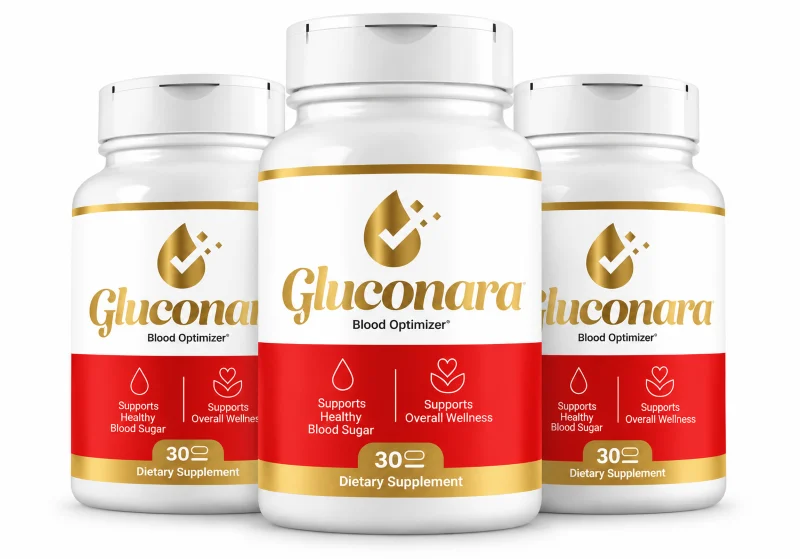
The Gluconara supplement is promoted as a metabolic and glucose-support formula. According to the manufacturer’s current website, the formula contains a combination of botanical extracts and chromium.
The advertised ingredient profile includes berberine HCl, turmeric rhizome, cocoa bean extract, Gymnema sylvestre, cinnamon bark, chromium picolinate, bitter melon, and banaba leaf.
These ingredients have been studied individually for different aspects of metabolic health. For example, berberine, chromium, cinnamon, and certain botanical extracts have been investigated in relation to glucose metabolism and insulin sensitivity.
However, it is important to separate ingredient research from product research. A study involving a particular ingredient at a specific dose cannot be used as proof that a multi-ingredient supplement will produce identical results.
That distinction is particularly important when evaluating supplement advertising.

Gluconara Review: How Does It Work?
The basic idea behind Gluconara is relatively straightforward.
Rather than relying on a single ingredient, the formula combines several plant extracts with minerals that have been studied in relation to glucose metabolism.
The ingredients are generally associated with areas such as:
- glucose metabolism
- insulin sensitivity
- carbohydrate metabolism
- antioxidant activity
- metabolic wellness
- nutritional support
However, there is an important scientific limitation.
Research on an individual ingredient does not automatically prove that the finished supplement will produce the same effect.
For example, researchers may study a specific standardized extract at a particular dose for several weeks or months. A commercial supplement may use a different extract, concentration, combination, and serving size.
NCCIH specifically warns that supplements purchased commercially may differ in important ways from products or formulations studied in research.
Therefore, the evidence surrounding individual ingredients should be interpreted as ingredient-level evidence, not proof that the entire product produces a specific medical outcome.
Gluconara Ingredients Explained
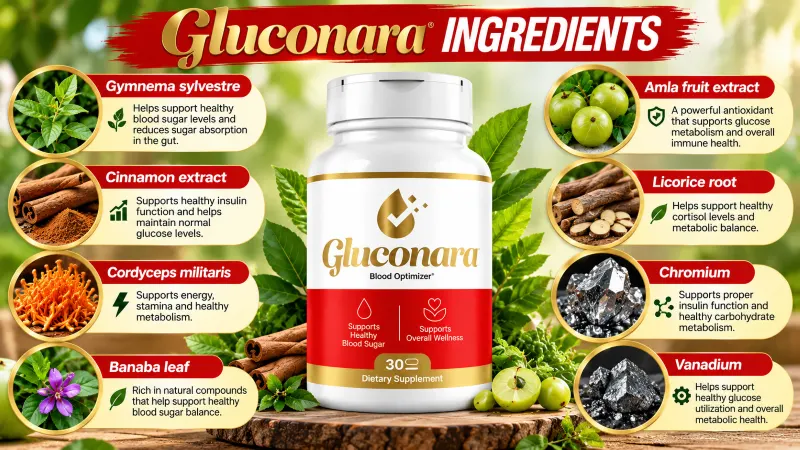
Understanding the ingredients is one of the most useful parts of any supplement review.
- Gymnema sylvestre
- Cinnamon extract
- Cordyceps militaris
- Banaba leaf
- Amla fruit extract
- Licorice root
- Chromium
- Vanadium
Gymnema Sylvestre
Gymnema sylvestre is a botanical traditionally used in Ayurvedic medicine and has attracted scientific interest because of its potential relationship with glucose metabolism.
Researchers have investigated gymnema extracts for effects related to blood glucose and insulin function, but the evidence is not strong enough to consider the ingredient a replacement for established diabetes treatment.
The important question is not simply whether an ingredient has been studied. The dose, extract quality, duration, population, and study design all matter.
This is something consumers should keep in mind when evaluating marketing claims surrounding Gluconara.
Cinnamon Extract
Cinnamon is one of the more familiar ingredients in blood sugar supplements.
NCCIH notes that research has examined cinnamon supplementation in people with prediabetes and type 2 diabetes. Some reviews have reported reductions in fasting blood glucose, but the results across studies have been inconsistent and the evidence has limitations.
There is also an important safety consideration.
Cassia cinnamon, which is commonly consumed in the United States, contains varying levels of coumarin. Large amounts may be problematic for people with certain liver conditions.
So, “natural” does not automatically mean risk-free.
Chromium
Chromium is a trace mineral involved in glucose metabolism.
Some research has investigated chromium supplementation in people with type 2 diabetes. NCCIH reports that a 2022 review of 16 studies involving 868 participants suggested possible improvements in HbA1c, fasting blood glucose, and insulin resistance. However, the broader evidence remains insufficient to establish supplements as standard diabetes treatment.
This makes chromium an interesting ingredient from a nutritional perspective, but it should not be interpreted as proof that Gluconara will lower someone’s blood glucose.
Banaba Leaf
Banaba leaf is another botanical traditionally associated with metabolic health.
Its active compounds, particularly corosolic acid, have been studied in relation to glucose metabolism. However, evidence in humans remains limited compared with established medical therapies.
This is an example of why a supplement review should distinguish between scientific interest and clinically proven effectiveness.
Amla
Amla, also known as Indian gooseberry, contains a variety of naturally occurring compounds and antioxidants.
It has been studied for several aspects of metabolic health. However, evidence varies depending on the formulation and population studied.
Amla may therefore be viewed as part of the product’s broader botanical approach rather than a stand-alone treatment.
Licorice Root
Licorice root has a long history of traditional use, but it deserves special attention because it can interact with health conditions and medications.
Excessive consumption of glycyrrhizin-containing licorice can affect blood pressure and potassium levels in some people.
This is another reason people taking medication or managing a medical condition should discuss a supplement with a healthcare professional before use.
Cordyceps Militaris
Cordyceps militaris is a mushroom species that has attracted research interest for its antioxidant and metabolic properties.
However, research involving mushrooms and metabolic health does not establish that a particular commercial formulation will create a measurable improvement in a person’s blood glucose.
The distinction is important when evaluating Gluconara.
Vanadium
Vanadium is a trace element that has been investigated for possible insulin-related effects.
However, the evidence does not establish vanadium supplementation as a standard treatment for diabetes. Higher supplemental exposure can also raise safety questions.
For this reason, consumers should not assume that adding more of a mineral automatically means better metabolic support.
👉 Visit the Official Gluconara Website & Learn More
Potential Benefits of Gluconara
The potential benefits of Gluconara should be described carefully.
Based on the ingredients and the way the product is marketed, the intended benefits generally center around metabolic wellness rather than treatment of a disease.
1. Nutritional support for glucose metabolism
The combination of botanicals and minerals is intended to provide nutritional support for normal glucose metabolism.
This is different from claiming that the supplement can normalize high blood glucose.
2. Support for metabolic wellness
A product containing botanical extracts and trace minerals may appeal to adults who are already working on their diet, exercise, sleep, and weight-management habits.
In that context, a supplement may be considered one part of a broader wellness routine.
3. Antioxidant-related nutritional support
Several plant foods and botanical extracts contain naturally occurring compounds with antioxidant properties.
However, antioxidant activity observed in laboratory research does not necessarily translate into a clinically meaningful improvement in blood glucose.
4. Convenient daily supplementation
Another practical benefit is convenience.
The manufacturer describes its product as a 30-day supply and recommends one chewable tablet daily according to the product label.
For people who prefer a simple daily routine, that may be easier than managing several individual supplements.
Gluconara and Healthy Blood Sugar Levels
Before deciding whether a blood sugar supplement is appropriate, it helps to understand what “healthy” actually means.
Blood glucose is not supposed to remain at one fixed number all day.
Food, physical activity, medications, stress, sleep, illness, and other factors can influence glucose levels.
According to the CDC, typical blood glucose targets for many adults with diabetes are:
- Before meals: 80–130 mg/dL
- Two hours after starting a meal: below 180 mg/dL
Individual targets can be different depending on someone’s health and treatment plan.
A1C is another important measurement.
For diagnosis, the CDC identifies:
- Below 5.7% — normal
- 5.7%–6.4% — prediabetes
- 6.5% or above — diabetes
These are diagnostic thresholds, not instructions for self-diagnosing yourself based on one home glucose reading.
This is why relying on how you “feel” after taking a supplement is not an adequate way to determine whether your glucose is improving.
Gluconara Blood Sugar Support: What Does the Science Say?
This is probably the most important section of the review.
There is genuine scientific research into several ingredients commonly used in metabolic supplements. But the evidence is mixed.
NCCIH states that, overall, there is not enough scientific evidence to conclude that dietary supplements can manage or prevent type 2 diabetes. Some ingredients—including chromium, cinnamon, and berberine—have shown possible benefits in some studies, but the evidence has limitations.
That means a responsible interpretation of Gluconara is:
The formula contains ingredients that have scientific interest, but this does not prove that the finished product can treat diabetes or guarantee a particular blood glucose result.
The National Institute of Diabetes and Digestive and Kidney Diseases also emphasizes healthy eating, physical activity, adequate sleep, weight management, and professional medical guidance as important elements of diabetes management.
Gluconara Results: What Should You Realistically Expect?
There is no scientifically responsible way to promise that every user will experience the same results.
Blood glucose is highly individual.
Two people could take the same supplement while having completely different:
- diets
- activity levels
- medications
- sleep patterns
- body composition
- insulin sensitivity
- family history
- health conditions
Therefore, someone who reports feeling better after using a supplement does not automatically demonstrate that the product lowered their blood glucose.
For anyone monitoring glucose, objective measurements are more useful than subjective impressions.
A person interested in trying Gluconara could discuss appropriate monitoring with a healthcare professional and track relevant measurements over time.
The CDC specifically recommends working with a healthcare team to determine appropriate blood glucose targets and how frequently measurements should be taken.
Gluconara Price: What Should Buyers Know?
The cost of a dietary supplement can change because of package size, promotions, shipping, subscriptions, and temporary discounts.
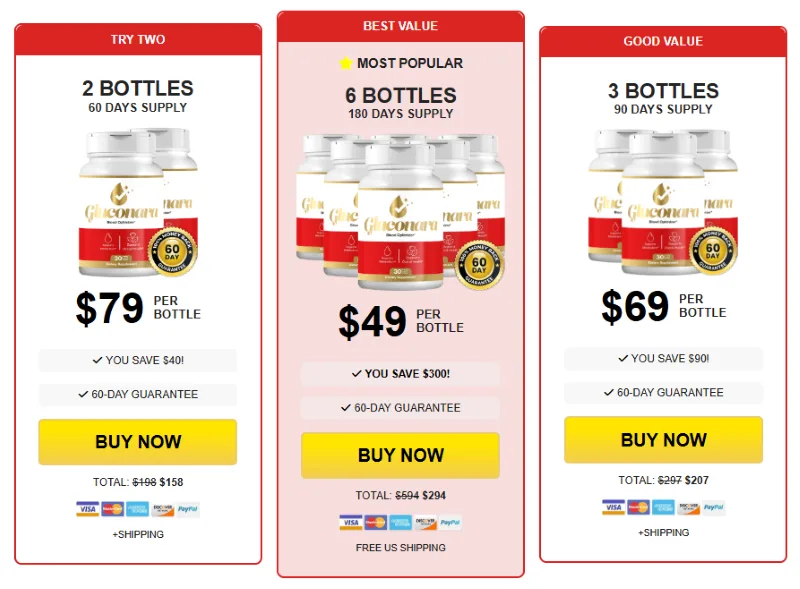
For that reason, it is better to verify the current Gluconara price directly from the seller before purchasing rather than relying on an old review.
My Experience With Gluconara
Consider a fictional 52-year-old man living in Texas who works at a desk most of the day.
He frequently eats takeout meals, rarely exercises during the week, and has recently become more interested in improving his metabolic health after discussing elevated glucose readings with his healthcare provider.
Instead of treating a supplement as a quick fix, he decides to improve several parts of his routine at the same time.
His approach includes:
- reducing sugary drinks
- increasing vegetables and fiber-rich foods
- walking after dinner
- improving sleep consistency
- monitoring glucose according to his healthcare professional’s recommendations
- discussing any supplement use with his healthcare provider
He also considers Gluconara as an optional supplement.
After several weeks, he notices that his daily routine is more consistent and some of his glucose readings have changed.
Would it be accurate to say the supplement caused the change?
No.
There are too many variables involved.
The improvement could be related to reduced sugary drinks, increased physical activity, changes in calorie intake, improved sleep, medication, natural variation, or a combination of factors.
This is why a real clinical trial would be necessary to determine whether a particular supplement produces a specific effect independent of lifestyle changes.
Where to Buy Gluconara
Consumers should be careful when purchasing supplements online.
The manufacturer’s website is the most appropriate place to verify the current product information, serving instructions, and purchasing details.
You can check the Gluconara official website for the latest information before placing an order. The manufacturer currently describes the product as a 30-day dietary supplement and provides its own usage and safety information.
For anyone searching “Where to buy Gluconara,” the same basic rule applies: verify the seller, product label, return policy, and ingredient information before entering payment details.
Avoid assuming that every third-party listing is genuine simply because it uses the same product name.

Gluconara vs. Lifestyle-Based Blood Sugar Management
One useful comparison is not between Gluconara and another supplement, but between supplementation and the foundational habits recommended by health organizations.
| Approach | Main Purpose | Evidence/Role |
| Balanced eating pattern | Improve overall nutrition and glucose management | Core component of diabetes management |
| Regular physical activity | Improve fitness and metabolic health | Core lifestyle strategy |
| Weight management when appropriate | Support metabolic health | Can be important for people with overweight or obesity |
| Blood glucose monitoring | Understand glucose patterns | Important for people instructed to monitor |
| Prescription treatment | Treat diagnosed medical conditions | Used when prescribed by healthcare professionals |
| Gluconara | Dietary supplementation | Evidence for supplements remains limited overall |
NIDDK recommends healthy meals, physical activity, adequate sleep, and other lifestyle measures as part of healthy living with diabetes.
This comparison puts the supplement into the correct context.
Is Gluconara Safe?
Safety deserves as much attention as potential benefits.
The manufacturer advises people who are pregnant or nursing, under 18, taking prescription medications, or managing a medical condition to consult a doctor before using the product. It specifically highlights medications for blood sugar, blood pressure, blood thinning, and heart conditions.
That warning is reasonable.
NCCIH also notes that supplements can interact with medications and may pose risks for people with certain medical conditions.
People with diabetes should be especially careful because blood glucose can become too low when certain glucose-lowering treatments are combined.
Do not discontinue or reduce prescribed medication because of a supplement.
NCCIH explicitly advises against replacing effective diabetes treatment with an unproven supplement.
Who May Want to Consider Gluconara?
A dietary supplement like Gluconara may appeal to adults who:
- are interested in nutritional support for metabolic wellness
- already follow a healthy lifestyle
- want a convenient supplement routine
- understand that supplements are not medical treatment
- are willing to discuss supplementation with their healthcare professional
However, someone with diagnosed diabetes, kidney disease, liver disease, or a complicated medication regimen should not start a new supplement without appropriate professional guidance.
How to Support Blood Glucose Naturally
Whether someone uses a supplement or not, the basics remain important.
Build meals around whole foods
Vegetables, legumes, whole grains, lean protein, nuts, seeds, and other minimally processed foods can form the foundation of a balanced eating pattern.
Be physically active
Regular movement can support metabolic health. Even simple activities such as walking can be useful additions to a sedentary lifestyle.
Pay attention to sugary drinks
Soft drinks, sweetened coffees, energy drinks, and other sugar-heavy beverages can add substantial amounts of rapidly absorbed carbohydrates.
Replacing them with water or unsweetened alternatives may be a practical change.
Get consistent sleep
Sleep is frequently overlooked when people discuss metabolic wellness.
A consistent sleep schedule can make it easier to maintain healthy eating and activity habits.
Monitor when medically appropriate
For people who have been instructed to monitor glucose, keeping records can help identify patterns.
The CDC notes that food, medications, and physical activity can all affect blood glucose throughout the day.
Common Questions About Gluconara
1. What is Gluconara used for?
Gluconara is marketed as a dietary supplement intended to provide nutritional support for glucose and metabolic wellness. It is not marketed as a prescription diabetes medication, and the manufacturer states that it is not intended to diagnose, treat, cure, or prevent disease.
2. How long does Gluconara take to work?
There is no scientifically established timeframe for a specific effect from this product. Individual responses can vary, and objective glucose measurements are more meaningful than assuming that a supplement will produce a particular result after a fixed number of days.
3. Does Gluconara lower blood sugar?
There is not enough evidence to claim that the finished product reliably lowers blood glucose or treats diabetes. Some individual ingredients used in blood sugar supplements have been studied, but ingredient-level research does not establish product-level effectiveness.
4. Can I take it with diabetes medication?
Anyone taking diabetes medication should speak with their healthcare professional before using a supplement because ingredients may interact with medicines or influence glucose levels.
5. Is Gluconara FDA approved?
Dietary supplements are not FDA-approved in the same way prescription medicines are. An FDA-registered manufacturing facility does not mean the finished supplement has been FDA-approved to treat a disease.
Final Verdict
Gluconara is marketed as a multi-ingredient metabolic supplement containing several botanical extracts and chromium. Some of its individual ingredients have been studied for their relationship with glucose metabolism, but the evidence varies considerably from ingredient to ingredient.
The most important takeaway is that research on an ingredient is not the same as a clinical trial proving the effectiveness of the finished product.
For consumers interested in blood sugar wellness, the product may be worth researching as a supplement, but expectations should remain realistic. A healthy diet, regular physical activity, appropriate sleep, monitoring, and professional medical care remain much more important foundations.
Anyone with diabetes or taking prescription medication should consult a healthcare professional before adding a glucose-focused supplement and should never replace prescribed treatment with an unproven product.
Scientific Resources & References
For readers who want to research blood sugar management and dietary supplements further, these are useful starting points:
- National Center for Complementary and Integrative Health (NCCIH) — Diabetes and Dietary Supplements.
- NCCIH Clinical Digest — Type 2 Diabetes and Dietary Supplements: What the Science Says.
- Centers for Disease Control and Prevention (CDC) — Monitoring Your Blood Sugar.
- CDC — Managing Diabetes and Blood Sugar Targets.
- CDC — A1C Test for Diabetes and Prediabetes.
- National Institute of Diabetes and Digestive and Kidney Diseases (NIDDK) — Healthy Living With Diabetes.
Important Medical Disclaimer
This article is for educational and informational purposes only. It is not medical advice and does not diagnose, treat, or prevent any disease. Dietary supplements should not replace prescribed medication or professional medical care. Anyone with diabetes, prediabetes, kidney disease, liver disease, or another medical condition should discuss supplement use with a qualified healthcare professional.
Author


Your Health Rights is a U.S.-based health and wellness platform dedicated to empowering readers with clear, research-backed content across Men’s Health, Women’s Health, Weight Loss, Health Supplements, and Immunity & General Wellness.


