

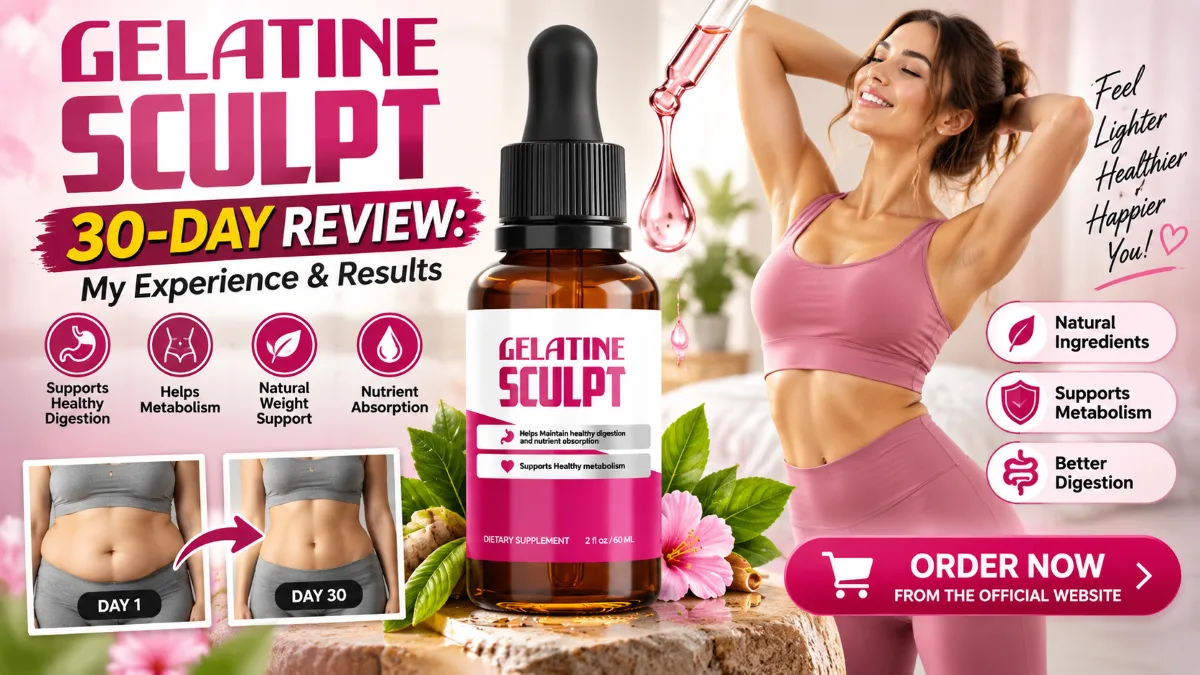
When a weight-management supplement promises to support metabolism, appetite control, energy, and fat loss, it is easy to become interested—especially if traditional dieting has felt frustrating. But before spending money on any supplement, it is worth looking beyond the sales page and asking a few practical questions: What exactly is in the formula? What does the available science say? What might a realistic 30-day experience look like? And are the advertised results actually supported by independent research?
That is the purpose of this Gelatine Sculpt review.
Rather than treating dramatic marketing claims as proven facts, this review looks at the product from a consumer’s perspective while also comparing its claims with information from the National Institutes of Health (NIH), National Center for Complementary and Integrative Health (NCCIH), and U.S. Food and Drug Administration (FDA).
The manufacturer describes Gelatine Sculpt as a dietary supplement intended to support healthy weight management, metabolism, appetite balance, energy, and body composition. The product’s website lists ingredients including green tea extract, gelatin, turmeric, and berberine, although consumers should always check the current product label because formulas and labeling can change.
One important point should be made at the beginning: there does not appear to be a large, independent, peer-reviewed clinical trial demonstrating that the finished Gelatine Sculpt product itself produces a specific amount of weight loss in 30 days.
What Is Gelatine Sculpt?
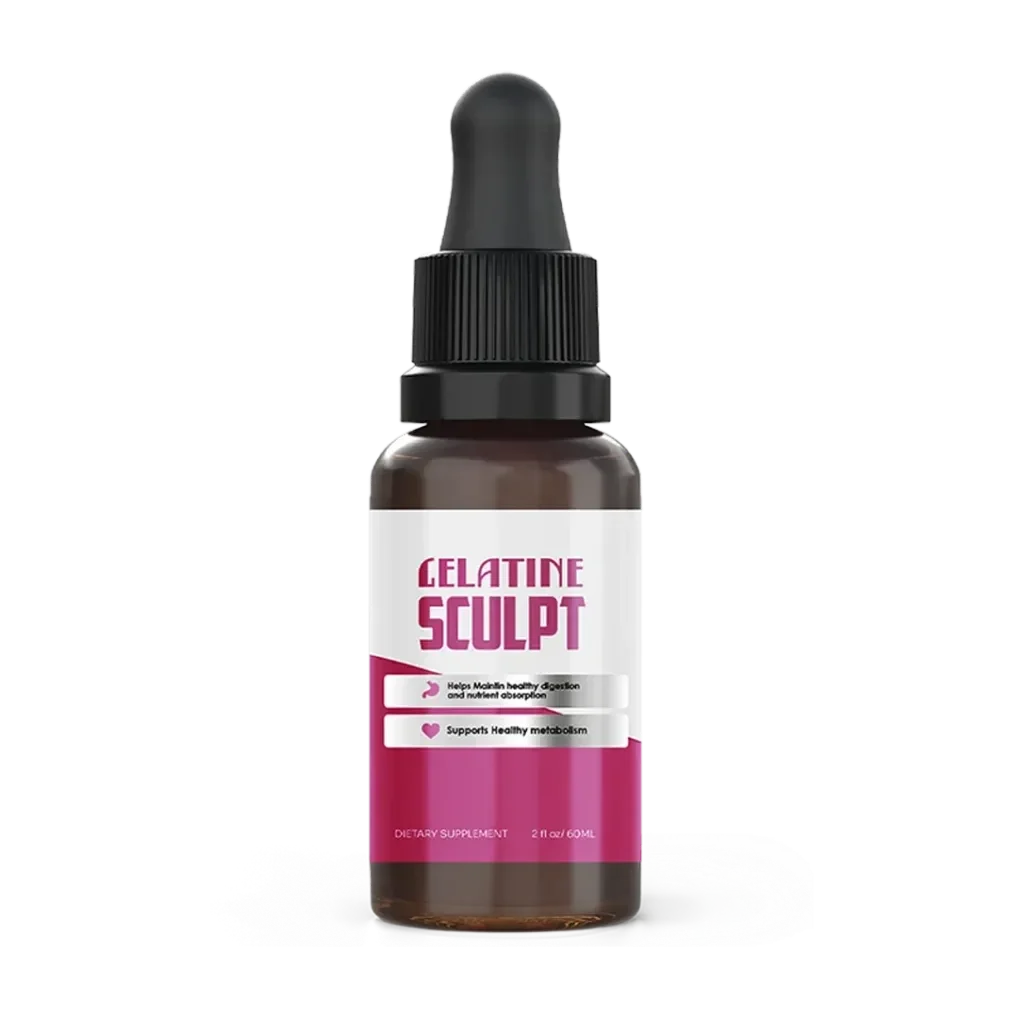
Gelatine Sculpt is marketed as a natural weight-management supplement for adults who want additional support alongside healthier eating and physical activity. According to product information currently available online, the formula is positioned around metabolic support, appetite management, energy, and healthy body composition.
The product is sold in liquid/dropper form on some of the product websites currently appearing online. One product page instructs users to shake the bottle and take one to two droppers daily, preferably in the morning before a meal. Because dosing instructions can vary between versions of a product page, checking the bottle label supplied with your order is important.
The broader idea behind a Gelatine Sculpt routine is relatively simple: take the supplement consistently while continuing normal healthy habits rather than treating the product as a replacement for food quality, calorie awareness, sleep, or exercise.
That distinction matters.
The NIH Office of Dietary Supplements explains that the established foundations of weight management include a healthy eating pattern, appropriate calorie intake, and physical activity. It also notes that there is limited scientific evidence for many supplements marketed specifically for weight loss.
So, if you are considering Gelatine Sculpt, the most reasonable way to look at it is as a potential supplement to a broader weight-management routine—not as a guaranteed shortcut.

Why I Wanted to Look at a 30-Day Period
Thirty days is long enough to notice changes in daily habits, appetite, energy, digestion, and possibly body weight, but it is also short enough that expectations need to remain realistic.
A person’s scale weight can change substantially over a month for reasons that have nothing to do with body-fat reduction. Water retention, sodium intake, carbohydrate intake, bowel habits, menstrual-cycle changes, exercise, and calorie intake can all influence the number on the scale.
For that reason, a useful Gelatine Sculpt review should not focus on one weigh-in.
Instead, a better 30-day assessment would track:
- Body weight under consistent conditions
- Waist measurement
- Daily food intake
- Hunger and fullness
- Physical activity
- Sleep duration
- Energy levels
- Digestive changes
- Any unwanted symptoms
- Whether the supplement was taken consistently
This approach provides a much more useful picture than simply saying that someone lost a certain number of pounds.
Gelatine Sculpt Ingredients: What Is Actually Known?
The current product information I found identifies green tea extract, gelatin, turmeric, and berberine among the ingredients used in the formula.
However, there is an important difference between research on an individual ingredient and research on a finished supplement.
For example, a scientific paper studying berberine does not automatically prove that a product containing berberine will produce the same outcome. The amount used, formulation, combination with other ingredients, duration, participant characteristics, and study design all matter.
The same principle applies to green tea extract and turmeric.
The NIH specifically warns that many weight-loss supplements contain multiple ingredients and that ingredients can behave differently when combined. It also notes that manufacturers of weight-loss supplements rarely conduct large, long-term human studies of their finished products.
Therefore, I would treat the ingredient list as something to investigate rather than automatically interpreting every ingredient as proof of effectiveness.
Green Tea Extract
Green tea and green tea extracts have received considerable attention in weight-management research. However, the evidence does not support assuming that a green-tea-containing supplement will automatically result in substantial weight loss.
NCCIH notes that evidence for several commonly marketed weight-loss ingredients is limited and that some products can present safety concerns.
Berberine
Berberine is another ingredient that has attracted significant attention, particularly in research involving glucose and metabolic health.
However, people taking prescription medicines should not assume that a supplement containing berberine is automatically appropriate. The product’s own website advises people with diabetes or those taking medication to speak with a healthcare professional before use.
Turmeric
Turmeric is widely used as a food ingredient and botanical supplement. It is often discussed in relation to antioxidant and inflammatory pathways, but evidence for any particular weight-loss outcome depends on the formulation and dose.
It is therefore better to think of turmeric as one component of a formula rather than a standalone guarantee of fat loss.
Gelatin
Despite the name of the product, consumers should not assume that gelatin itself has been proven to create dramatic weight loss.
Gelatin is a protein-derived ingredient, but the presence of gelatin in a supplement does not establish that the finished product will cause a measurable reduction in body fat.
Gelatine Sculpt Drop: How Does Gelatine Sculpt Fit Into a Routine?
The liquid format is one of the more noticeable characteristics of the product. Some product pages refer to the liquid serving as a Gelatine Sculpt Drop, with instructions involving a dropper.
For people who dislike swallowing capsules, a liquid format can be convenient. On the other hand, liquid supplements can make accurate dosing particularly important.
If you decide to use the product, follow the current label rather than increasing the amount because you want faster results.
More is not necessarily better.
This is especially relevant for products containing botanical extracts or ingredients that may interact with medications.
My 30-Day Experience with Gelatine Sculpt
Thirty days is a practical period for evaluating a supplement because it gives enough time to establish a routine.
However, Gelatine Sculpt is not long enough to make claims about permanent weight loss. Body weight naturally moves up and down throughout the week, sometimes because of water retention rather than changes in body fat.
For that reason, I would not judge a product from a single weigh-in. Instead, I would look at the overall trend and consider other changes, such as appetite, cravings, waist measurements, energy, digestion, and consistency with diet and exercise.
This approach makes a review much more realistic.
Week 1: Starting the Routine
The first week is mostly about getting accustomed to the product.
The liquid format may be convenient for people who do not like swallowing capsules. At the same time, taste and texture can affect whether someone actually wants to use a supplement consistently.
During this period, it is important to pay attention to how the body responds.
A supplement containing several active botanical ingredients may not be appropriate for everyone. Mild digestive discomfort can occur with some ingredients, while people taking medications need to consider possible interactions.
I would also avoid making any major judgment about weight during the first few days. Any quick movement on the scale could simply reflect changes in water or food intake.
Week 2: Paying Attention to Appetite
By the second week, the focus shifts toward eating habits.
One of the most important factors in successful weight management is being able to maintain a sensible eating pattern over time. If someone constantly feels hungry or struggles with cravings, maintaining a calorie-controlled diet can become difficult.
This is why appetite is worth tracking.
However, feeling less hungry on a particular day does not automatically prove that a supplement caused the change. Sleep, stress, meal composition, protein intake, fiber, hydration, and daily activity can all influence appetite.
A simple food diary can make these patterns easier to understand.
Week 3: Looking Beyond the Scale
By week three, Gelatine Sculpt becomes more useful to look at measurements beyond body weight.
For example, someone might see only a small change on the scale but notice that their waist measurement has changed. Another person might see no measurable change at all.
Neither outcome should automatically be interpreted as success or failure.
The purpose of tracking is to collect objective information instead of relying on memory or photographs.
I would record weight under similar conditions, such as in the morning, and use weekly averages rather than comparing random daily measurements.
Week 4: The Bigger Picture
The fourth week provides an opportunity to step back and evaluate the entire experience.
Was the supplement easy to remember? Did it fit into the normal schedule? Were there any unwanted effects? Did eating habits improve? Was physical activity consistent?
These questions can be more valuable than simply asking whether the scale went down.
The Gelatine Sculpt results should therefore be viewed alongside lifestyle changes rather than separately from them.
If someone loses weight while simultaneously reducing calorie intake and becoming more active, it would be difficult to attribute the entire change to the supplement.
Gelatine Sculpt Results: What Should You Realistically Expect?
The phrase Gelatine Sculpt results is often associated with expectations of faster metabolism, fat burning, or noticeable body changes.
But there is no reliable scientific basis for promising every user a specific amount of weight loss within 30 days.
The NIH Office of Dietary Supplements states that there is little scientific evidence that many weight-loss dietary supplements work, and it emphasizes the importance of healthy eating and physical activity.
That means realistic expectations are important.
Some users might notice no meaningful change.
Others might experience modest changes while simultaneously improving their diet and activity.
Someone else could see a larger scale change, but that does not necessarily mean the supplement alone produced that result.
Gelatine Sculpt Before and After: Why Photos Can Be Misleading
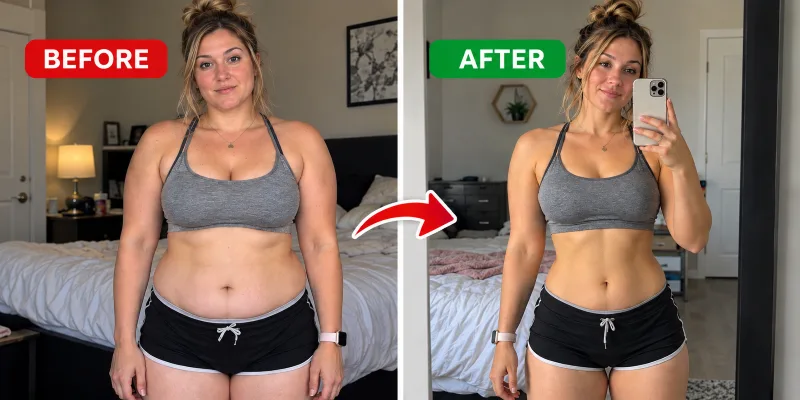
Before-and-after photographs can be useful for documenting visual changes, but they are not scientific evidence by themselves.
Lighting, posture, clothing, camera angle, hydration, and abdominal positioning can all change how someone looks.
A stronger personal tracking system would combine photographs with:
- Waist measurement
- Hip measurement
- Body weight trend
- Food tracking
- Activity records
- Sleep tracking
That makes a Gelatine Sculpt before and after comparison more meaningful because the image is supported by additional measurements.
Gelatine Sculpt Pricing Details
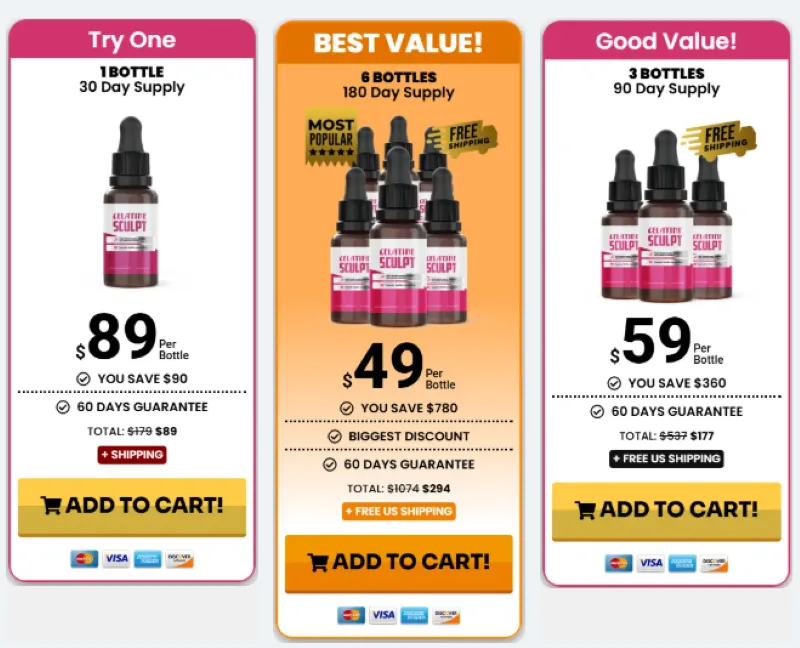
Current sales pages I found advertise different package options. One prominent distributor page lists one bottle at $89, three bottles at $177 total, and six bottles at $294 total, with the larger packages advertised as having free U.S. shipping. The same page advertises a 60-day money-back guarantee.
Because online offers can change, shoppers should verify the final price, shipping charge, refund terms, and package size immediately before purchasing.
Where Should You Buy Gelatine Sculpt?
Consumers searching for the Gelatine Sculpt Official website should carefully verify the domain and checkout information.
The product website currently indexed online provides information about the formula, directions, and purchasing process.
However, because multiple websites can appear in search results for the same product name, the presence of the word “official” on a page is not enough by itself to establish authenticity.
Always compare the product label, seller details, refund terms, and payment information.
What the Scientific Resources Say About Weight-Loss Supplements
The NIH Office of Dietary Supplements is one of the most useful places for consumers who want evidence-based information about supplements.
Its weight-loss fact sheet explains that many products make claims involving appetite suppression, fat absorption, or metabolism, but that scientific evidence is limited for many weight-loss supplements.
NCCIH provides another useful perspective. It warns consumers to be cautious about exaggerated claims, testimonials, and unsupported promises. It also notes that the FDA has identified some weight-loss products containing hidden prescription drugs or other potentially harmful ingredients.
The FDA also explains that dietary supplements can make certain structure/function claims, but those claims are subject to regulatory requirements and should not be confused with FDA approval of a supplement as a treatment for disease.
This is important because “made in an FDA-registered facility” and “FDA approved” are not interchangeable statements.
Consumers should be skeptical of any website implying that the FDA has approved a dietary supplement for weight loss simply because it is manufactured in the United States.
Is a 30-Day Trial Enough?
Thirty days can be useful for evaluating tolerance, convenience, adherence, appetite patterns, and early trends.
It is not enough to prove long-term weight-loss effectiveness.
Long-term weight management generally requires sustainable habits. The NIH notes that supplement studies are often small and relatively short, which makes it difficult to establish long-term effectiveness and safety.
For that reason, I would consider 30 days an observation period rather than a final verdict.
If someone experiences no improvement after a month, that does not necessarily mean the product can never help them. Conversely, early improvement does not prove that the supplement will continue producing the same results.
Who Should Be More Cautious?
Extra caution is appropriate for people who:
- Are pregnant or breastfeeding
- Take prescription medications
- Have diabetes
- Have cardiovascular conditions
- Have liver or kidney disease
- Have a history of eating disorders
- Are under 18
- Have experienced reactions to botanical supplements
The appropriate choice depends on the individual’s medical history, medications, and health goals.
My Overall 30-Day Takeaway
After looking at the product claims, available product information, ingredient considerations, and independent guidance from U.S. health agencies, the most reasonable way to view Gelatine Sculpt is as a weight-management supplement with marketing claims that should be evaluated cautiously.
I would not use a dramatic “fat-burning” promise as the main reason to buy it.
Instead, I would ask whether the formula, cost, convenience, ingredient transparency, return policy, and personal health situation make sense.
The biggest limitation is the lack of strong independent clinical evidence demonstrating that the finished product itself produces a predictable amount of weight loss in 30 days.
That does not prove that nobody can experience a benefit.
It simply means that consumers should not confuse marketing claims, testimonials, or an individual result with clinical evidence.
For anyone trying a Gelatine Sculpt routine, the smartest way to measure progress is to track several things at once: weight trend, waist measurement, eating habits, activity, sleep, appetite, and side effects.
Frequently Asked Questions About Gelatine Sculpt
1. What is Gelatine Sculpt?
Gelatine Sculpt is marketed as a dietary supplement designed to support weight management, metabolism, appetite balance, and energy. Current product information lists ingredients including green tea extract, gelatin, turmeric, and berberine.
2. How long does Gelatine Sculpt take to see results?
Some people may notice changes in appetite, routine, or weight trends earlier than others. However, there is no scientifically established timeline guaranteeing a specific result after 30 days.
3. Is Gelatine Sculpt safe?
Safety depends on the ingredients, dosage, individual health conditions, and medication use. “Natural” does not automatically mean risk-free. NCCIH recommends caution with weight-loss supplements and notes that safety information for many products is limited.
4. Can I use a supplement instead of exercising?
A supplement should not be considered a replacement for physical activity. NIH guidance identifies healthy eating and physical activity as fundamental components of weight management.
5. What is the most important part of weight management?
A sustainable combination of appropriate nutrition, regular movement, sufficient sleep, and long-term consistency generally matters much more than any single supplement.
Final Verdict: Should You Try It?
The answer depends on your personal circumstances and expectations.
If you are looking for a supplement that may complement an already healthy routine, you may find the format and ingredient profile interesting.
If you are expecting a supplement to replace calorie control, exercise, or sustainable lifestyle changes, the available evidence does not justify that expectation.
The scientific literature and U.S. health agencies consistently emphasize that supplements marketed for weight Management should be approached carefully. NIH and NCCIH both recommend focusing on established lifestyle approaches and discussing supplement use with a healthcare professional when appropriate.
So, rather than asking whether this product is a miracle solution, a better question is:
“Does this product fit safely and realistically into my overall weight-management plan?”
That is the question I would use when evaluating any supplement.
Scientific & Reference Sources
For readers who want to research weight-management supplements independently, the following sources are useful:
- NIH Office of Dietary Supplements — Dietary Supplements for Weight Loss: Provides evidence-based information about common ingredients, effectiveness, and safety considerations.
- NCCIH — Dietary Supplements Marketed for Weight Loss: Discusses evidence, safety concerns, exaggerated claims, and risks associated with some weight-loss supplements.
- NCCIH — Weight Control: Provides an overview of evidence surrounding supplements and other approaches to weight management.
- FDA — Questions and Answers on Dietary Supplements: Explains dietary supplement regulation and the types of claims that may appear on supplement labels.
- FDA — Label Claims for Foods and Dietary Supplements: Explains health claims, nutrient-content claims, and structure/function claims.
Important Disclaimer
This article is for informational and educational purposes only. It is not medical advice and should not be used to diagnose, treat, cure, or prevent any disease. Individual experiences with dietary supplements can vary. Always review the current product label and speak with a qualified healthcare professional before starting a new supplement, particularly if you are pregnant, breastfeeding, taking medication, or have an existing medical condition.
Author


Your Health Rights is a U.S.-based health and wellness platform dedicated to empowering readers with clear, research-backed content across Men’s Health, Women’s Health, Weight Loss, Health Supplements, and Immunity & General Wellness.