


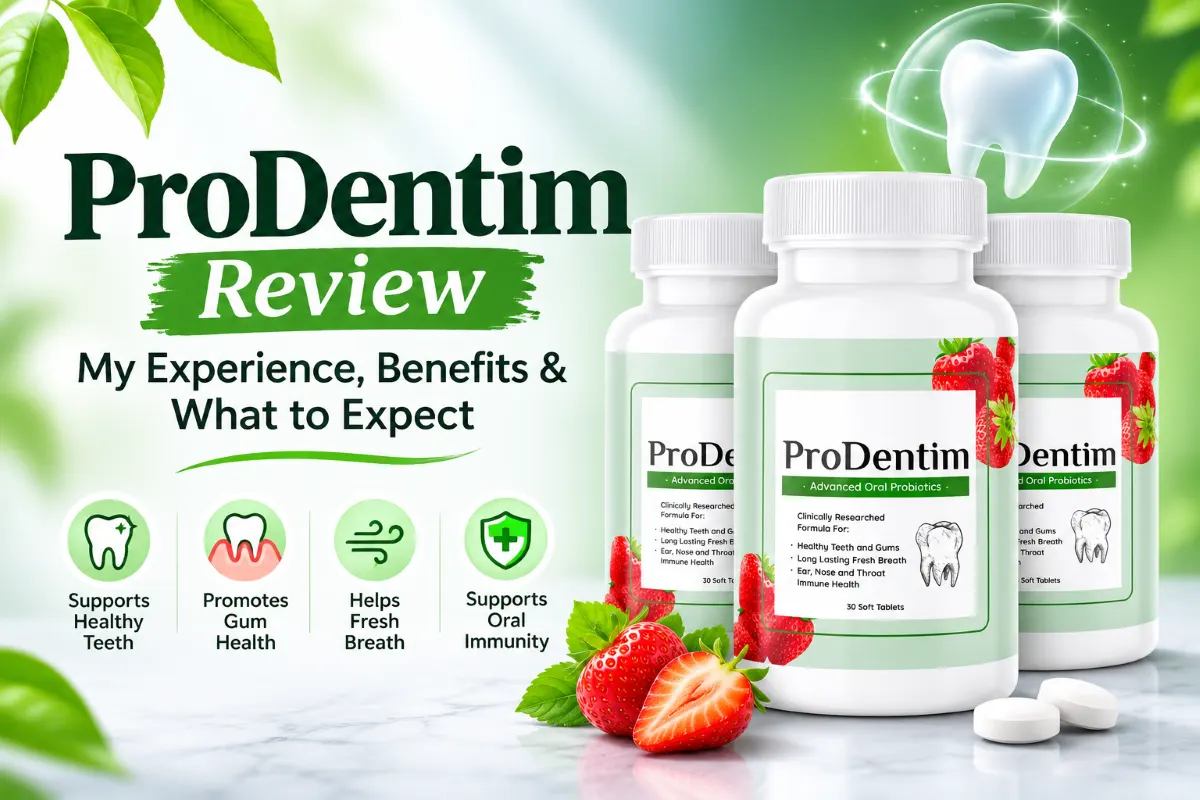
If you have been searching for a simple way to support your teeth and gums beyond regular brushing and flossing, you may have come across ProDentim. It is a chewable probiotic product marketed around oral microbiome support, with a combination of probiotic strains and other ingredients intended to support a healthier mouth environment.
But does it actually make sense as part of a daily oral-care routine? Is it worth the money? And what should you realistically expect if you decide to try it?
In this ProDentim Review, I’ll look at what the product is, how it is supposed to work, its ingredients, potential benefits, safety considerations, pricing information, and what current research says about probiotics and oral health.
Quick Answer: Is ProDentim Worth Considering?
ProDentim may be worth considering for adults interested in adding an oral probiotic to their existing dental-care routine. The manufacturer describes it as a chewable product containing 3.5 billion probiotics and several additional ingredients designed to support the oral environment.
However, it is important to keep expectations realistic.
Research suggests that certain probiotic strains may have potential benefits for oral health, including effects on oral bacteria, bad breath, and some periodontal outcomes. At the same time, researchers emphasize that results vary significantly depending on the probiotic strain, dose, delivery method, and health condition being studied.
So, I would view ProDentim as a possible supplement to good oral hygiene—not a replacement for brushing, flossing, fluoride toothpaste, professional cleanings, or dental treatment.
What Is ProDentim?
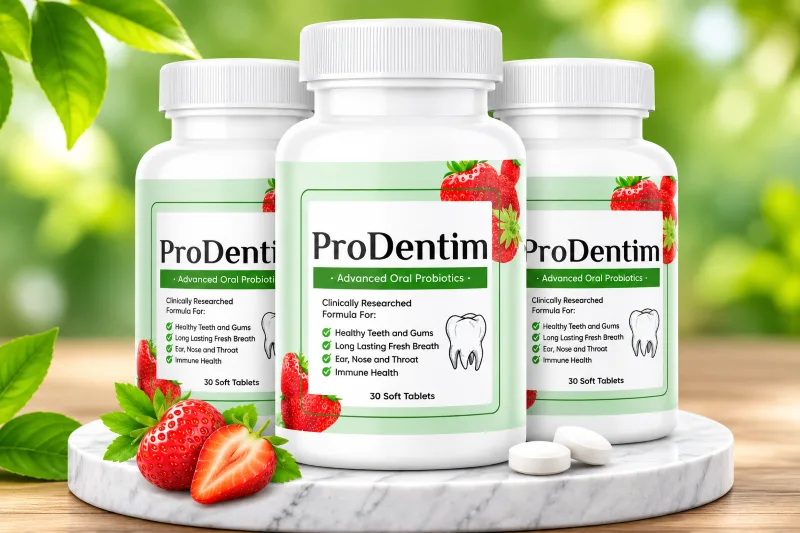
ProDentim is a chewable probiotic product marketed specifically for oral care. Unlike traditional probiotics that are usually associated with digestive health, its marketing focuses on maintaining a balanced environment inside the mouth.
According to the manufacturer’s information, each serving provides approximately 3.5 billion probiotic organisms and includes strains such as Lactobacillus paracasei, Bifidobacterium lactis BL-04, and Lactobacillus reuteri. The formula also includes ingredients such as inulin, strawberry-related ingredients, tricalcium phosphate, and peppermint.
The basic idea is relatively straightforward: instead of focusing only on removing bacteria, oral probiotics attempt to introduce beneficial microorganisms that may help support a healthier microbial balance.
That concept is not completely new. Researchers have been studying the relationship between probiotics and the oral microbiome for years.
A systematic review published in Pharmaceuticals found that probiotics may have potential applications for conditions including cavities, periodontal disease, and bad breath, although the authors noted that the evidence was not yet strong enough to establish long-term effectiveness conclusively.

How Does ProDentim Work?
The main idea behind ProDentim is the oral microbiome.
Your mouth is not sterile. It naturally contains hundreds of different microorganisms. Some are harmless or potentially beneficial, while others can contribute to plaque, odor, tooth decay, or gum problems when the oral environment becomes unbalanced.
Probiotics are live microorganisms that may provide health benefits when consumed in adequate amounts.
In an oral-health context, researchers are studying whether specific probiotic strains can:
- Compete with undesirable bacteria
- Influence the oral microbiome
- Support healthier gum conditions
- Reduce certain bacteria associated with plaque
- Help with breath-related microorganisms
- Support a healthier oral environment
The important word is specific.
A probiotic that works for one condition does not automatically work for every oral problem. Strain, dose, delivery method, duration, and individual circumstances can all matter.
This is one reason scientific researchers continue to call for more strain-specific and long-term clinical trials.
ProDentim Ingredients: What’s Inside?
One of the most important things to examine before purchasing any supplement is the ingredient list.
According to the manufacturer’s product information, ProDentim contains three main probiotic strains along with a proprietary combination of plant-based and mineral ingredients.
Lactobacillus paracasei
This is one of the Lactobacillus species included in the formula.
Lactobacillus species have been investigated for their potential role in maintaining microbial balance and supporting oral health. However, probiotic effects are generally strain-specific, meaning evidence for one strain should not automatically be applied to every product containing the same bacterial species.
Bifidobacterium lactis BL-04
Bifidobacterium lactis BL-04 is another probiotic strain listed by the manufacturer.
The presence of a named strain is useful because probiotic research increasingly emphasizes strain-level identification rather than simply referring to a bacterial species.
Still, the existence of research on a particular strain does not automatically prove that a commercial product will deliver the same clinical result.
Lactobacillus reuteri
Lactobacillus reuteri has been investigated in oral-health research, particularly in relation to gum health and the oral microbial environment.
Some studies have reported potentially positive effects from probiotic interventions, but results differ between formulations and study populations.
Inulin and Other Ingredients
The formula also contains inulin and other ingredients intended to complement the probiotic blend. The manufacturer describes strawberry-derived malic acid, tricalcium phosphate, and peppermint among its additional ingredients.
For anyone with allergies, dietary restrictions, or a medical condition, it is sensible to review the complete current ingredient label before using the product.
Potential Benefits of ProDentim
The potential benefits are best understood as areas the product may support rather than guaranteed outcomes.
1. Oral Microbiome Support
The main reason someone might choose an oral probiotic is to support a healthier balance of microorganisms in the mouth.
Research suggests that probiotics can influence oral microbial populations, although the size and importance of these effects depend on the strain and method of administration.
2. Teeth and Gum Support
A major selling point is teeth and gum support.
This is also an area where probiotic research is developing. Some clinical studies have reported improvements in gum-related measurements when probiotics were used alongside conventional care.
A 2024 umbrella review concluded that probiotics may have potential as an adjunctive approach for periodontal disease, while emphasizing that they should not replace established dental treatments.
3. Fresh-Breath Support
Bad breath can be influenced by bacteria that produce volatile sulfur compounds.
Some probiotic research has reported improvements in halitosis-related outcomes. A recent umbrella review found potentially beneficial effects on halitosis measures, although the researchers highlighted significant differences between studies.
Therefore, an oral probiotic could potentially be useful as part of a broader approach to breath freshness.
4. Convenient Daily Routine
Another advantage is convenience.
The manufacturer recommends slowly chewing one tablet in the morning.
For someone who already brushes and flosses consistently, adding a chewable product may be easier than introducing another complicated step into their routine.
My Experience and What I Would Expect
Since I’m reviewing the product based on its formulation, manufacturer information, and published research—not claiming to have personally taken it—it would be inaccurate for me to invent a personal before-and-after result.
Instead, here is what I would realistically expect from trying an oral probiotic.
I would not expect a supplement to suddenly whiten teeth, remove established tartar, repair cavities, or reverse advanced gum disease.
The more realistic expectation would be gradual support for the oral environment, potentially including fresher breath or improvements in certain aspects of gum health.
Individual responses can also vary considerably.
Someone with excellent dental hygiene may notice very little difference, while another person who is specifically looking for microbiome support may find it more useful.
The important point is that any perceived benefit should be evaluated alongside objective oral-health habits and, when necessary, professional dental care.
ProDentim Price: What Should You Expect to Pay?
The ProDentim price can vary depending on the package, promotions, shipping destination, and current offers.
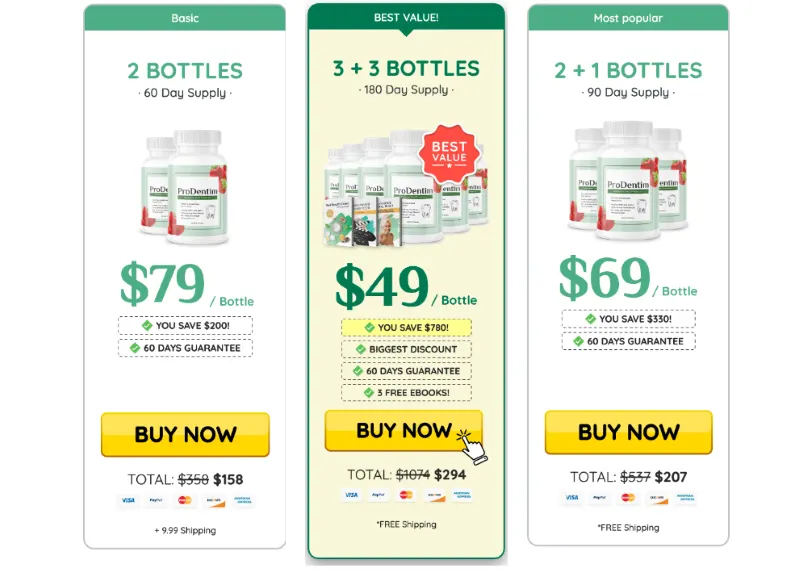
The manufacturer’s website currently promotes multi-bottle packages and may include bonuses with selected orders.
Because supplement promotions can change, I would avoid relying on an old screenshot or a third-party review for the current price.
Before ordering, check the official checkout page carefully for:
- Current bottle price
- Number of bottles included
- Shipping charges
- Any recurring-payment terms
- Refund policy
- Available payment methods
The manufacturer’s information currently states that eligible purchases are covered by a 60-day money-back guarantee, subject to its terms.
Does the Science Support Oral Probiotics?
This is probably the most important part of the review.
The scientific evidence is promising but not definitive.
A PubMed-indexed systematic review examined clinical trials involving probiotics and oral health and reported potentially beneficial effects on certain oral bacteria and periodontal measurements.
Another systematic review found that probiotics have been associated with potential benefits involving cariogenic bacteria, periodontal conditions, and halitosis, but concluded that more research is needed to understand their long-term effects.
The National Center for Complementary and Integrative Health also notes that research into probiotics for dental conditions exists, but evidence remains insufficient to make strong conclusions for some applications.
More recent evidence continues to support a cautious position. A 2026 umbrella review reported modest potential benefits for some oral-health outcomes but highlighted differences in probiotic strains, doses, delivery methods, and study quality.
So the best scientific conclusion today is:
Probiotics may support certain aspects of oral health, but they should be considered an adjunct—not a replacement for proven dental care.
ProDentim vs. Traditional Oral Care
It is important not to think of an oral probiotic as an alternative to basic dental hygiene.
Your everyday routine should still include:
- Brushing twice a day with fluoride toothpaste
- Cleaning between your teeth regularly
- Limiting frequent sugary foods and drinks
- Maintaining regular dental examinations
- Following professional recommendations if gum disease or tooth decay is present
A probiotic can potentially sit alongside those habits.
It should not be used as an excuse to stop brushing or postpone a dental appointment.
If you have persistent bleeding gums, swelling, severe tooth pain, loose teeth, facial swelling, or an infection, professional dental evaluation is much more important than adding another supplement.
How to Use ProDentim
The manufacturer’s directions recommend slowly chewing one tablet each morning.
Follow the current label instructions rather than relying on information from older reviews or advertisements because formulations and directions can change.
If you take prescription medicines, have an ongoing medical condition, are pregnant or breastfeeding, or have concerns about probiotic products, talk with a qualified healthcare professional before starting it.
The product’s own disclaimer also advises people with medical conditions, those taking medication, and people who are pregnant or nursing to consult a physician.
ProDentim Pros and Cons
| Pros | Cons |
| Convenient chewable format | Clinical evidence for commercial oral probiotics remains limited |
| Contains multiple probiotic strains | Results may vary from person to person |
| Designed specifically for oral microbiome support | It cannot replace dental treatment |
| Easy to add to an existing routine | Long-term outcomes require more research |
| Research supports interest in oral probiotics | Marketing claims can sometimes be stronger than the available evidence |
Where to Buy ProDentim
If you decide to Buy ProDentim, I would recommend checking the manufacturer’s current sales page rather than purchasing from an unknown third-party seller.
The ProDentim official website provides the product information, ingredients, ordering details, shipping information, and refund terms directly.
This is especially important with supplements because unofficial marketplaces may have outdated stock, unclear storage conditions, or questionable authenticity.
How to Get Better Results From Any Oral Health Supplement
Even if you decide to use ProDentim, your everyday habits will probably matter much more.
The American Dental Association recommends brushing twice daily for at least two minutes with fluoride toothpaste and cleaning between the teeth daily. It also recommends a healthy diet that limits sugary foods and drinks and regular dental visits.
A practical routine could look like this:
Morning
Brush for two minutes using fluoride toothpaste.
If your product instructions recommend taking the probiotic at a particular time, follow the product label.
During the day
Drink water regularly.
Try to reduce frequent sugary snacks and drinks.
If you drink coffee, tea, or other staining beverages, maintaining good oral hygiene is especially useful.
Evening
Brush again.
Clean between the teeth using floss or an interdental cleaner that works for you.
Regularly
Visit your dentist for examinations and professional cleaning as recommended.
This basic routine provides a much stronger foundation than relying on a single supplement.
Is ProDentim Safe?
For many healthy adults, probiotics are generally considered reasonably well tolerated, but “natural” does not automatically mean risk-free.
Some people may experience temporary digestive symptoms after starting probiotic products.
More importantly, people with significant health conditions or compromised immune systems should discuss probiotic use with a healthcare professional.
The product’s own website advises consultation with a physician for people who are pregnant, nursing, taking medication, or dealing with a medical condition.
Also remember that dietary supplements are not intended to diagnose, treat, cure, or prevent disease.
Who Might Consider ProDentim?
An oral health supplement such as ProDentim may appeal to adults who:
- Want to explore oral microbiome support
- Already maintain good dental hygiene
- Prefer a convenient chewable format
- Are interested in probiotic-based approaches
- Want to complement—not replace—their regular dental routine
It may not be appropriate to rely on a supplement if you have an untreated dental problem.
For example, someone with significant gum bleeding or a suspected cavity should see a dentist rather than attempting to manage the problem with supplements alone.
What Results Should You Expect?
One of the biggest mistakes people make with supplements is expecting dramatic results within a few days.
With probiotics, the research does not support a universal timeline or guaranteed outcome.
Some studies have observed changes in oral bacterial levels relatively quickly, while clinically meaningful outcomes may take longer and vary substantially. Recent research has also emphasized that different strains, doses, delivery vehicles, and populations produce different results.
Therefore, I would evaluate the product over time rather than expecting an overnight transformation.
Pay attention to practical changes such as overall mouth comfort, breath freshness, and gum-related observations—but do not use these observations as a substitute for professional examination.
Frequently Asked Questions
1. What is ProDentim used for?
ProDentim is marketed as a dietary supplement for oral probiotic and dental-wellness support. Its current product information emphasizes selected probiotic organisms and oral microbiome balance.
2. Can it help with bad breath?
Possibly, depending on the cause. Oral microorganisms can contribute to some forms of bad breath, and probiotics are being studied for their ability to influence the oral microbial environment. However, persistent bad breath should be evaluated by a dentist or healthcare professional.
3. Is ProDentim FDA approved?
It should not be described as an FDA-approved treatment. Dietary supplements are regulated differently from drugs, and the product’s own disclaimer states that its statements have not been evaluated by the FDA.
4. Can it replace brushing and flossing?
No. Brushing with appropriate toothpaste, cleaning between the teeth, maintaining a balanced diet, and receiving professional dental care remain the foundation of oral hygiene.
5. Is it suitable for everyone?
No supplement is suitable for everyone. People with medical conditions, significant immune problems, allergies, pregnancy, breastfeeding, or medication concerns should discuss supplementation with a qualified healthcare professional.
Final Verdict: Should You Try ProDentim?
After looking at the ingredients, product information, and current research, I would describe ProDentim as an interesting oral probiotic option rather than a miracle dental solution.
The underlying concept has scientific interest. Studies suggest that selected probiotics may influence oral bacteria and could provide modest benefits for certain aspects of gum health, periodontal outcomes, and bad breath.
At the same time, the research is not strong enough to promise that every person will experience noticeable results.
That distinction matters.
If you are already brushing, flossing, eating reasonably well, and visiting your dentist, an oral probiotic could be considered an additional wellness step. But if you have pain, persistent bleeding, swelling, cavities, or suspected gum disease, professional dental care should come first.
My overall take: ProDentim is worth investigating for people interested in oral probiotic support, but expectations should remain realistic. Think of it as a potential addition to your oral-care routine—not a replacement for the fundamentals that keep your teeth and gums healthy.
Scientific & Reference Sources
For readers who want to research the topic independently, these are useful starting points:
- NIH Office of Dietary Supplements – Dietary Supplement Label Database: The NIH database provides historical label information for supplements, including an older ProDentim listing.
- PubMed – Clinical Efficacy of Probiotics on Oral Health: A systematic review of clinical trials investigating probiotics and oral health outcomes.
- PubMed – Probiotics and Oral Health: A systematic review discussing the potential benefits and limitations of oral probiotics.
- PubMed – Benefits of Probiotics on Oral Health: A 2023 review examining evidence involving cavities, halitosis, periodontal disease, and other oral conditions.
- BMC Oral Health / PubMed: A 2025 systematic review and meta-analysis evaluating probiotics in gingivitis and periodontitis.
- American Dental Association: Evidence-based home-care recommendations for reducing the risk of cavities and gum disease.
Medical Disclaimer
This article is for educational and informational purposes only. It is not medical or dental advice and does not diagnose, treat, cure, or prevent any disease. Individual results can vary. If you have persistent dental pain, bleeding gums, swelling, loose teeth, cavities, or other concerning symptoms, consult a qualified dentist.
Author


Your Health Rights is a U.S.-based health and wellness platform dedicated to empowering readers with clear, research-backed content across Men’s Health, Women’s Health, Weight Loss, Health Supplements, and Immunity & General Wellness.


