




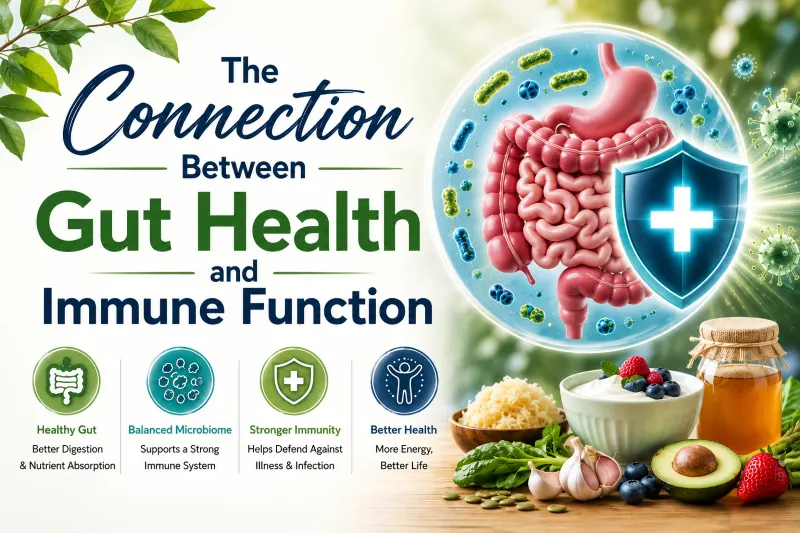
Introduction
When most people think about the immune system, they often picture white blood cells fighting off infections or vitamins helping the body stay healthy. However, one of the most important parts of immune health is something many people overlook: the gut.
Over the last decade, researchers have discovered a strong connection between gut health and immune function. In fact, approximately 70% of the immune system is located in and around the digestive tract. This means that the health of your gut can directly influence how effectively your body responds to harmful bacteria, viruses, and other threats.
A healthy gut does much more than digest food. It plays a critical role in nutrient absorption, inflammation regulation, immune defense, and overall wellness. When the gut is functioning properly, it helps support a balanced immune response. When gut health is compromised, immune function may also suffer.
Understanding this connection can help you make informed lifestyle choices that support both digestive and immune health naturally.
What Is Gut Health?
Gut health refers to the proper functioning and balance of the digestive system, particularly the community of microorganisms that live within it. These microorganisms include bacteria, fungi, viruses, and other microbes that collectively form the gut microbiome.
The human digestive tract contains trillions of microorganisms. While the word “bacteria” often carries a negative connotation, many of these microbes are beneficial and essential for good health.
A healthy gut microbiome helps:
- Break down food efficiently
- Produce certain vitamins
- Support nutrient absorption
- Maintain the intestinal barrier
- Regulate inflammation
- Communicate with the immune system
The balance between beneficial and harmful microbes plays a significant role in overall health.
Understanding the Immune System
The immune system is the body’s defense network. It helps identify and eliminate harmful pathogens such as bacteria, viruses, fungi, and toxins.
This complex system includes:
- White blood cells
- Antibodies
- Lymph nodes
- Bone marrow
- Spleen
- Specialized immune tissues in the gut
The immune system must constantly distinguish between harmless substances and potential threats. If this balance is disrupted, the body may become more vulnerable to infections or develop excessive inflammatory responses.
This is where the gut becomes particularly important.
Why Is So Much of the Immune System Located in the Gut?
The digestive tract is one of the body’s largest points of contact with the outside environment. Every day, food, beverages, and various microorganisms enter the body through the digestive system.
To protect against harmful invaders while allowing beneficial nutrients to pass through, the gut contains specialized immune tissues collectively known as gut-associated lymphoid tissue (GALT).
These tissues help:
- Detect harmful pathogens
- Coordinate immune responses
- Maintain tolerance to beneficial microbes
- Prevent unnecessary inflammation
Because the digestive tract encounters so many external substances, it serves as a frontline defense system for immune protection.
The Role of the Gut Microbiome in Immune Function
The gut microbiome and immune system work together continuously. Beneficial gut bacteria help train immune cells and support healthy immune responses.
Some of the key ways the microbiome influences immunity include:
Supporting Immune Cell Development
Certain beneficial bacteria help stimulate the production and maturation of immune cells. These cells are essential for recognizing and responding to harmful pathogens.
Maintaining Immune Balance
A healthy microbiome helps the immune system respond appropriately to threats without overreacting. This balance is important for reducing unnecessary inflammation.
Strengthening the Intestinal Barrier
The lining of the intestines acts as a protective barrier. Beneficial bacteria help maintain the integrity of this barrier, preventing harmful substances from entering the bloodstream.
Producing Beneficial Compounds
Gut bacteria produce short-chain fatty acids and other compounds that support immune health and help regulate inflammation.
Together, these functions demonstrate why gut health diet is so closely linked to immune performance.
What Happens When Gut Health Is Poor?
When the balance of the gut microbiome becomes disrupted, a condition known as dysbiosis may occur.
Dysbiosis can result from:
- Poor dietary habits
- Chronic stress
- Lack of sleep
- Excessive alcohol consumption
- Certain medications
- Physical inactivity
When beneficial bacteria decrease and harmful bacteria increase, several issues may arise.
Increased Inflammation
An unhealthy gut can contribute to chronic low-grade inflammation throughout the body. Persistent inflammation has been associated with numerous health concerns.
Weakened Immune Response
An imbalanced microbiome may make it more difficult for the immune system to function efficiently, potentially increasing susceptibility to illness.
Digestive Symptoms
Common signs of poor gut health may include:
- Bloating
- Gas
- Constipation
- Diarrhea
- Stomach discomfort
Reduced Nutrient Absorption
A compromised digestive system may struggle to absorb essential nutrients that support immune health and overall wellness.
Signs Your Gut Health May Need Attention
Although gut health cannot always be assessed through symptoms alone, certain signs may suggest an imbalance.
These may include:
- Frequent digestive discomfort
- Irregular bowel movements
- Food sensitivities
- Persistent fatigue
- Frequent illness
- Skin issues
- Difficulty maintaining energy levels
- Increased bloating
Experiencing one or more of these symptoms does not necessarily indicate a serious problem, but they may signal the need for lifestyle improvements that support digestive wellness.
Foods That Support Gut Health and Immunity
Diet is one of the most effective ways to influence the gut microbiome.
Fiber-Rich Foods
Dietary fiber serves as fuel for beneficial gut bacteria.
Examples include:
- Vegetables
- Fruits
- Whole grains
- Legumes
- Nuts and seeds
Fiber helps promote microbial diversity and supports digestive health.
Fermented Foods
Fermented foods naturally contain beneficial microorganisms.
Examples include:
- Yogurt with live cultures
- Kefir
- Sauerkraut
- Kimchi
- Miso
These foods may help support a healthy microbial balance.
Fruits and Vegetables
Colorful fruits and vegetables provide antioxidants and plant compounds that help support both gut and immune health booster.
Examples include:
- Berries
- Leafy greens
- Carrots
- Bell peppers
- Citrus fruits
Healthy Fats
Healthy fats may help support beneficial bacteria and reduce inflammation.
Sources include:
- Avocados
- Olive oil
- Nuts
- Seeds
- Fatty fish
The Importance of Prebiotics and Probiotics
Many people hear about probiotics but may not understand how they work.
What Are Probiotics?
Probiotics are live beneficial microorganisms that may help support a healthy balance of gut bacteria.
They are commonly found in:
- Yogurt
- Kefir
- Fermented vegetables
- Certain dietary supplements
What Are Prebiotics?
Prebiotics are types of fiber that feed beneficial bacteria already living in the gut.
Common prebiotic foods include:
- Garlic
- Onions
- Bananas
- Asparagus
- Oats
Both prebiotics and probiotics play valuable roles in supporting gut health.
Lifestyle Factors That Influence Gut Health
Gut health is affected by more than just food.
Sleep Quality
Poor sleep can negatively affect the balance of gut bacteria and immune function.
Adults should aim for approximately seven to nine hours of quality sleep each night.
Stress Management
Chronic stress can alter gut microbial balance and contribute to digestive symptoms.
Helpful stress-management techniques include:
- Meditation
- Deep breathing
- Physical activity
- Spending time outdoors
- Journaling
Regular Physical Activity
Exercise supports digestive function and may encourage greater microbial diversity.
Activities such as walking, cycling, swimming, and strength training can provide benefits.
Staying Hydrated
Adequate water intake supports digestion and overall bodily functions.
Hydration also helps maintain regular bowel movements and digestive comfort.
The Gut-Immune Connection and Long-Term Health
Scientists continue to study the relationship between gut health and various aspects of long-term wellness.
Emerging research suggests that a healthy gut microbiome may influence:
- Immune resilience
- Inflammatory balance
- Metabolic health
- Brain function
- Mood regulation
- Healthy aging
While many questions remain, experts increasingly recognize the gut as a central component of overall health.
Supporting digestive wellness may provide benefits that extend far beyond the digestive system itself.
Practical Tips to Improve Gut Health Naturally
If you want to support both gut health and immune function, consider these simple habits:
- Eat more fruits and vegetables daily
- Include fiber-rich foods in meals
- Consume fermented foods regularly
- Limit highly processed foods
- Stay physically active
- Prioritize quality sleep
- Manage stress effectively
- Drink enough water throughout the day
- Avoid unnecessary antibiotic use when possible
- Maintain a balanced, varied diet
Small, consistent improvements often have the greatest long-term impact.
Scientific References
- Wiertsema SP, van Bergenhenegouwen J, Garssen J, Knippels LMJ. The Interplay Between the Gut Microbiome and the Immune System in the Context of Infectious Diseases Throughout Life and the Role of Nutrition in Optimizing Treatment Strategies. Nutrients. 2021. This review explains how the gut microbiome influences both local and systemic immune responses and highlights the role of nutrition in supporting immune health.
- Belkaid Y, Hand TW. Role of the Microbiota in Immunity and Inflammation. Cell. 2014. Published through the U.S. National Library of Medicine, this research discusses how gut microbes help train, regulate, and support immune system function.
- Yoo JY, Groer M, Dutra SVO, et al. Gut Microbiota and Immune System Interactions. Microorganisms. 2020. The study describes how gut microbes interact with the intestinal barrier and immune system to help maintain health and reduce susceptibility to infections.
- National Center for Complementary and Integrative Health (NCCIH). Probiotics: Usefulness and Safety. U.S. National Institutes of Health. This resource reviews current evidence on probiotics and their potential effects on immune and digestive health.
- Bull MJ, Plummer NT. Part 1: The Human Gut Microbiome in Health and Disease. Integrative Medicine. This review examines how gut bacteria contribute to the development and function of the immune system throughout life.
FAQs
How does gut health affect the immune system?
The gut plays a major role in immune function because a large portion of the body’s immune cells are located in the digestive tract. A healthy gut microbiome helps regulate immune responses and supports the body’s natural defenses against harmful pathogens.
Can poor gut health weaken immunity?
Yes. An imbalance in gut bacteria, known as dysbiosis, may affect immune function and contribute to inflammation, digestive issues, and a reduced ability to fight infections effectively.
What are the signs of an unhealthy gut?
Common signs may include bloating, gas, constipation, diarrhea, stomach discomfort, food sensitivities, fatigue, and frequent illness. However, symptoms can vary from person to person.
Can stress affect gut health and immunity?
Chronic stress can negatively impact the balance of gut bacteria and may contribute to digestive issues and immune dysfunction. Stress-management practices can help support both gut and immune health.
Does drinking water help gut health?
Yes. Proper hydration supports digestion, nutrient absorption, and regular bowel movements, all of which contribute to a healthy digestive system.
What are the best ways to support gut health naturally?
You can support gut health by eating a balanced diet rich in fiber, consuming fermented foods, staying physically active, managing stress, getting adequate sleep, and staying hydrated.
Final Thoughts
The connection between gut health and immune function is one of the most fascinating areas of modern health research. With nearly 70% of immune activity linked to the digestive tract, maintaining a healthy gut is an important part of supporting overall wellness.
A balanced gut microbiome helps regulate immune responses, strengthen the body’s natural defenses, and maintain digestive health. At the same time, lifestyle factors such as nutrition, sleep, exercise, hydration, and stress management all influence the health of the gut ecosystem.
While there is no single food or habit that guarantees perfect health, consistently supporting your gut through healthy lifestyle choices can contribute to stronger immune function and improved well-being over time.
By taking care of your gut, you are also taking an important step toward protecting and supporting your entire body.
Disclaimer
This article is for informational purposes only and is not intended as medical advice. Please consult a qualified healthcare provider before making significant changes to your diet, supplement routine, or medication use, especially if you have an existing health condition.
Author


Mary Brown is a certified wellness coach and writer who focuses on nutrition, weight loss, and living a healthy life. Her main focus is creating honest product reviews and guides that assist readers in achieving fitness.