




Quick Answer
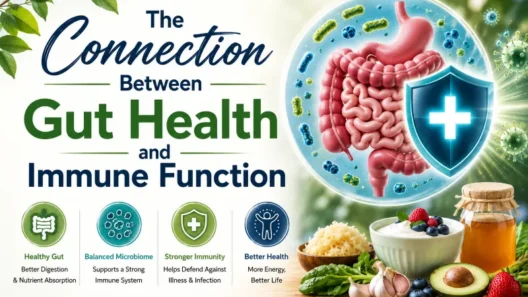
Gut health refers to the balance of beneficial bacteria, fungi, and other microorganisms living in the digestive system. A healthy gut supports digestion, nutrient absorption, immune function, and overall well-being. Natural ways to improve gut health include eating more fiber, consuming probiotic-rich foods, staying hydrated, managing stress, exercising regularly, and getting enough sleep.
Introduction
Gut health has become one of the most discussed topics in the health and wellness world, and for good reason. Research continues to show that the digestive system does much more than process food. At Your Health Rights, we are committed to sharing practical health information that helps readers make informed wellness decisions. The gut plays an important role in immunity, energy production, mood regulation, and overall health.
Many people experience digestive issues such as bloating, gas, constipation, irregular bowel movements, or stomach discomfort without realizing that these symptoms may be connected to poor gut health. The good news is that small lifestyle changes can often make a significant difference.
This complete guide explains what gut health is, why it matters, common signs of an unhealthy gut, and the best natural ways to support a healthier digestive system in 2026.
What Is Gut Health?
Gut health refers to the balance and proper functioning of microorganisms that live throughout the digestive tract, especially in the intestines.
These microorganisms are collectively known as the gut microbiome. They help break down food, produce certain nutrients, support immune function, and protect against harmful bacteria.
A healthy microbiome contains a diverse range of beneficial bacteria. When this balance is disrupted, digestive symptoms and other health concerns may develop.
Why Is Gut Health Important?
Gut health influences digestion, immunity, metabolism, and even mental well-being.
| Habit | Benefit for Gut Health |
| Fiber | Feeds beneficial bacteria |
| Probiotics | Supports microbiome balance |
| Water | Helps digestion |
| Exercise | Supports gut diversity |
| Sleep | Maintains gut health |
| Stress Management | Supports digestion |
Approximately 70% of the immune system is located in the gut. The digestive system also communicates with the brain through what experts call the gut-brain axis.
A healthy gut may support:
- Better digestion
- Improved nutrient absorption
- Stronger immune function
- Balanced energy levels
- Healthy weight management
- Better mood and mental wellness
- Reduced digestive discomfort
Signs of Poor Gut Health
Several physical symptoms may indicate that the digestive system needs additional support.
Common signs include:
- Frequent bloating
- Excess gas
- Constipation
- Diarrhea
- Heartburn
- Food sensitivities
- Fatigue
- Brain fog
- Sugar cravings
- Difficulty maintaining a healthy weight
While occasional digestive issues are common, persistent symptoms should be discussed with a healthcare professional.
1. Eat More Fiber-Rich Foods
Why Is Fiber Important for Gut Health?
Dietary fiber acts as food for beneficial gut bacteria and supports healthy digestion.
When good bacteria feed on fiber, they produce compounds called short-chain fatty acids that help maintain intestinal health.
Excellent sources of fiber include:
- Oats
- Apples
- Pears
- Berries
- Lentils
- Chickpeas
- Black beans
- Broccoli
- Brussels sprouts
- Whole grains
Most adults do not consume enough fiber daily, making this one of the simplest improvements for better gut health.
2. Include Probiotic Foods in Your Diet
What Are Probiotics?
Probiotics are beneficial microorganisms that may help maintain a healthy balance within the digestive system.
Natural probiotic-rich foods include:
- Yogurt with live cultures
- Kefir
- Sauerkraut
- Kimchi
- Miso
- Tempeh
- Kombucha
Adding these foods regularly may help support microbial diversity within the gut.
3. Eat Prebiotic Foods Daily
What Are Prebiotics?
Prebiotics are specific types of fiber that feed beneficial gut bacteria.
Unlike probiotics, prebiotics are not live organisms. Instead, they serve as nourishment for healthy microbes.
Top prebiotic foods include:
- Garlic
- Onions
- Asparagus
- Bananas
- Leeks
- Chicory root
- Oats
- Apples
Combining probiotics and prebiotics can help create a supportive environment for gut health.
4. Stay Properly Hydrated
Does Water Affect Gut Health?
Adequate hydration supports digestion and helps maintain regular bowel movements.
Water helps break down food and move waste through the digestive system efficiently.
Simple hydration tips include:
- Drink water throughout the day
- Carry a reusable water bottle
- Increase fluid intake during exercise
- Eat water-rich fruits and vegetables
Proper hydration can be especially helpful for individuals struggling with constipation.
5. Limit Highly Processed Foods
How Do Processed Foods Affect the Gut?
Diets high in processed foods may negatively affect the diversity of beneficial gut bacteria.
Many ultra-processed foods contain:
- Excess added sugar
- Artificial ingredients
- Refined carbohydrates
- Unhealthy fats
Replacing heavily processed foods with whole-food alternatives may support a healthier digestive environment.
6. Reduce Added Sugar Intake
Why Is Sugar a Concern for Gut Health?
Excessive sugar consumption may encourage the growth of less beneficial microorganisms within the digestive tract.
Reducing sugary foods and beverages may support microbial balance.
Healthier alternatives include:
- Fresh fruit
- Unsweetened yogurt
- Herbal tea
- Naturally flavored water
Small reductions in daily sugar intake can have long-term benefits.
7. Manage Daily Stress
Can Stress Affect Digestion?
Yes. Chronic stress can influence digestion and may contribute to digestive discomfort.
The gut and brain communicate constantly through the nervous system.
Stress-management techniques may include:
- Meditation
- Deep breathing exercises
- Walking outdoors
- Journaling
- Yoga
- Mindfulness practices
Managing stress is often an overlooked but important aspect of digestive wellness.
8. Exercise Regularly
Does Exercise Improve Gut Health?
Regular physical activity may support healthy digestion and microbial diversity.
Exercise can help:
- Promote regular bowel movements
- Support metabolism
- Improve circulation
- Reduce stress
Examples include:
- Walking
- Cycling
- Swimming
- Strength training
- Yoga
Even 30 minutes of moderate activity most days can contribute to overall wellness.
9. Get Enough Quality Sleep
Why Does Sleep Matter for the Gut?
Poor sleep may affect digestive health and disrupt the balance of gut bacteria.
Adults generally benefit from:
- 7 to 9 hours of sleep per night
- Consistent sleep schedules
- Reduced screen time before bed
- A comfortable sleep environment
Good sleep supports many systems within the body, including digestion.
10. Eat a Variety of Plant-Based Foods
Why Is Food Diversity Important?
Different gut bacteria thrive on different nutrients, making dietary variety important for microbiome health.
Aim to include:
- Fruits
- Vegetables
- Legumes
- Whole grains
- Nuts
- Seeds
A diverse diet encourages a more diverse and resilient gut microbiome.
Best Foods for Gut Health
Certain foods are particularly beneficial for supporting digestive wellness and microbial balance.
Top choices include:
Yogurt
Contains beneficial live cultures.
Kefir
A fermented dairy drink rich in probiotics.
Berries
Provide antioxidants and fiber.
Oats
Contain prebiotic fiber.
Bananas
Support beneficial bacteria growth.
Garlic
Acts as a natural prebiotic.
Lentils
Rich in fiber and plant-based nutrients.
Leafy Greens
Support overall digestive health.
Nuts and Seeds
Provide fiber and healthy fats.
Fermented Vegetables
Contain naturally occurring probiotics.
Foods That May Negatively Affect Gut Health
While occasional treats are part of a balanced lifestyle, excessive consumption of certain foods may impact digestive wellness.
Examples include:
- Sugary beverages
- Highly processed snacks
- Excess alcohol
- Excessive fried foods
- Refined carbohydrates
- Artificially sweetened products
Moderation is often the most sustainable approach.
How Long Does It Take to Improve Gut Health?
Many people notice improvements within a few weeks of making consistent dietary and lifestyle changes.
The timeline varies depending on factors such as:
- Current eating habits
- Stress levels
- Sleep quality
- Physical activity
- Individual health conditions
Consistency is more important than quick fixes.
People Also Ask
What Are Signs of an Unhealthy Gut?
Common signs of an unhealthy gut include bloating, gas, constipation, diarrhea, stomach discomfort, food sensitivities, and frequent fatigue. Some people may also experience poor sleep, sugar cravings, or skin problems.
How Can I Improve My Gut Health Quickly?
You can support gut health by eating more fiber-rich foods, drinking enough water, reducing processed foods, and including probiotic foods like yogurt. Consistent healthy habits may help improve digestion over time.
How Can I Restore My Gut Health Naturally?
Natural ways to restore gut health include eating whole foods, increasing fiber intake, staying hydrated, managing stress, and getting enough sleep. These habits help support a balanced gut microbiome.
What Is the 7-Day Gut Reset?
A 7-day gut reset is a short-term plan that focuses on healthy foods while limiting processed foods and added sugar. It may help improve digestion and encourage healthier eating habits.
What Drink Is Best for Gut Health?
Water is one of the best drinks for gut health because it supports digestion and hydration. Other good options include kefir, herbal teas, and low-sugar probiotic drinks.
How Do I Detox My Gut?
Your body naturally detoxifies itself. To support gut health, focus on eating fiber-rich foods, drinking water, exercising regularly, and limiting processed foods instead of relying on detox products.
Final Thoughts
Gut health affects far more than digestion. A healthy digestive system supports nutrient absorption, immune function, energy levels, and overall well-being. Fortunately, improving gut health does not require extreme diets or complicated routines.
Simple habits such as eating more fiber, including probiotic and prebiotic foods, staying hydrated, managing stress, exercising regularly, and getting quality sleep can help create a healthier gut environment over time.
The key is consistency. Small, sustainable lifestyle changes often produce the most meaningful long-term results. By focusing on daily habits and nourishing your digestive system naturally, you can support better gut health and overall wellness throughout 2026 and beyond.
Disclaimer: This article is for informational and educational purposes only and is not intended as medical advice. Always consult a qualified healthcare professional before making significant changes to your diet, lifestyle, or health routine, especially if you have an existing medical condition.
Author


Richard Miller is a lifestyle and health writer. His main focus is on improving daily healthy habits, energy levels, and overall wellness. He provides practical and evidence-based blogs and guides to ensure his readers receive value.