



Quick Answer
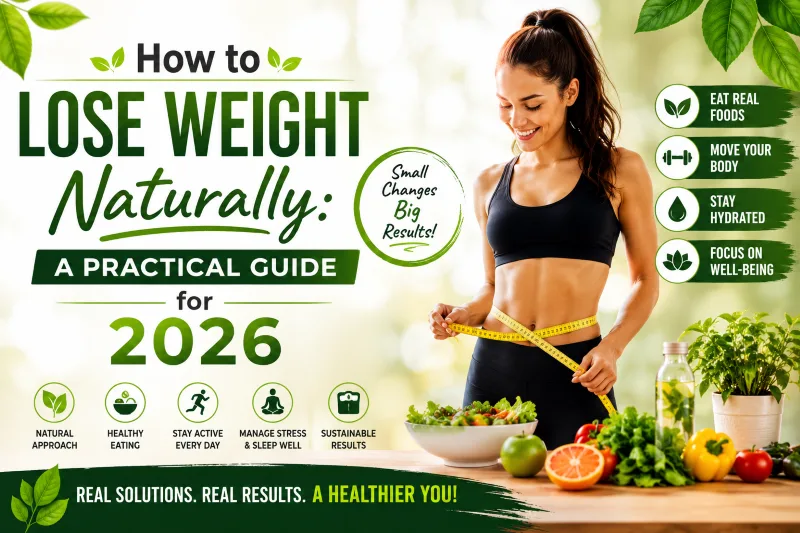
Healthy weight loss happens when you combine balanced nutrition, regular physical activity, proper hydration, quality sleep, and consistent lifestyle habits. Small daily changes can help support long-term weight management and overall wellness without relying on extreme diets.
Introduction
Many people want to lose weight, but finding reliable and practical advice can be challenging. With so many diet trends, detox plans, and quick-fix solutions available, it is easy to feel overwhelmed. The truth is that healthy weight loss does not require extreme restrictions or complicated routines.
At Your Health Rights, we believe that sustainable weight loss comes from building healthy habits that can be maintained over time. This guide explores natural and practical ways to support healthy weight management in 2026.
What Is Healthy Weight Loss?
Healthy weight loss refers to reducing excess body weight through balanced eating habits, regular exercise, and positive lifestyle changes. Rather than focusing on rapid results, healthy weight loss emphasizes long-term success and overall well-being.
A gradual and consistent approach is often easier to maintain and may help support lasting results.
Why Is Maintaining a Healthy Weight Important?
Maintaining a healthy weight may help support:
- Better energy levels
- Improved mobility
- Heart health
- Healthy blood sugar balance
- Better sleep quality
- Overall well-being
Healthy weight management is often associated with a healthier and more active lifestyle.
Best Morning Habits for Weight Loss
Starting the day with healthy habits may support weight management goals.
Helpful morning habits include:
- Drinking a glass of water after waking up
- Eating a balanced breakfast
- Taking a short walk
- Planning meals for the day
- Avoiding excessive sugary drinks
Small morning routines can help set a positive tone for the rest of the day.
1. Focus on Whole Foods
Why Are Whole Foods Important for Weight Loss?
Whole foods are naturally rich in nutrients and can help keep you feeling satisfied for longer periods.
Examples include:
- Fruits
- Vegetables
- Whole grains
- Lean proteins
- Nuts and seeds
- Legumes
Replacing highly processed foods with whole-food options may help support healthier eating habits.
2. Increase Your Protein Intake
Does Protein Help With Weight Loss?
Protein may help increase feelings of fullness and support muscle maintenance during weight loss.
Good protein sources include:
- Eggs
- Chicken
- Fish
- Greek yogurt
- Lentils
- Beans
- Tofu
Adding protein to meals may help reduce unnecessary snacking throughout the day.
3. Drink More Water
Can Drinking Water Support Weight Loss?
Water supports many important functions in the body and may help manage appetite.
Simple hydration tips include:
- Drinking water before meals
- Carrying a reusable water bottle
- Choosing water instead of sugary drinks
- Staying hydrated throughout the day
Proper hydration is an important part of a healthy lifestyle.
4. Stay Physically Active
What Exercise Is Best for Weight Loss?
The best exercise is one that you enjoy and can do consistently.
Popular options include:
- Walking
- Cycling
- Swimming
- Jogging
- Strength training
- Home workouts
Regular movement can help support calorie balance and overall fitness.
5. Prioritize Quality Sleep
Does Sleep Affect Weight Loss?
Poor sleep may influence hunger levels, food choices, and daily energy.
Most adults benefit from:
- 7 to 9 hours of sleep each night
- A consistent sleep schedule
- Limiting screen time before bed
Good sleep supports overall health and healthy lifestyle habits.
6. Reduce Added Sugar
Why Is Sugar Linked to Weight Gain?
Many sugary foods and drinks add extra calories without providing long-lasting fullness.
Common sources include:
- Soft drinks
- Candy
- Sweetened coffee drinks
- Packaged desserts
Reducing added sugar may help support healthy eating habits.
7. Practice Mindful Eating
What Is Mindful Eating?
Mindful eating involves paying attention to your hunger and fullness signals.
Helpful habits include:
- Eating slowly
- Avoiding distractions while eating
- Chewing food thoroughly
- Recognizing emotional eating triggers
Mindful eating may help improve portion awareness.
8. Manage Stress Levels
Can Stress Affect Weight Management?
Chronic stress may influence eating habits and lifestyle choices.
Healthy stress-management strategies include:
- Walking outdoors
- Meditation
- Deep breathing exercises
- Yoga
- Spending time with family and friends
Supporting mental well-being is an important part of a healthy lifestyle.
Can Stress Make It Harder to Lose Weight?
Chronic stress may affect eating habits, sleep quality, and daily activity levels. Some individuals may eat more when stressed, while others may experience changes in appetite. Managing stress through healthy lifestyle practices can support overall wellness and weight management efforts.
9. Avoid Extreme Diets
Are Crash Diets Effective?
Crash diets may provide short-term results, but they are often difficult to maintain.
Long-term success usually comes from balanced eating habits and sustainable lifestyle changes rather than restrictive diets.
Healthy Weight Loss vs Crash Diets
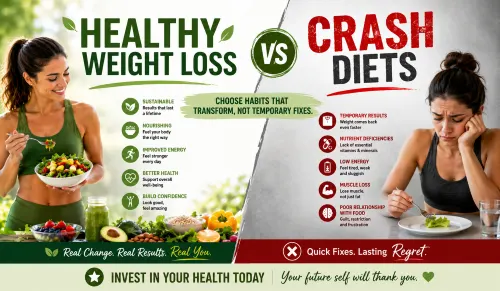
| Healthy Weight Loss | Crash Diets |
| Focuses on long-term habits | Focuses on quick results |
| Easier to maintain | Difficult to sustain |
| Supports overall health | May be restrictive |
| Encourages balanced nutrition | Often eliminates food groups |
| Promotes sustainable results | Results may be temporary |
10. Stay Consistent
Why Is Consistency Important for Weight Loss?
Healthy habits practiced consistently often produce better results than drastic changes.
Weight loss is usually a gradual process, and small daily improvements can make a meaningful difference over time.
Common Mistakes That Can Slow Weight Loss
Many people struggle with weight loss because of habits that may slow their progress. Some common mistakes include skipping meals, relying on crash diets, drinking sugary beverages, getting insufficient sleep, and expecting immediate results. Focusing on long-term healthy habits is often more effective than searching for quick fixes.
Best Foods for Healthy Weight Loss
Some foods may help support weight management goals while providing important nutrients.
Lean Protein
Helps support fullness and muscle maintenance.
Vegetables
Low in calories and rich in nutrients.
Fruits
Provide fiber and natural sweetness.
Oats
Can help keep you feeling satisfied.
Greek Yogurt
Provides protein and important nutrients.
Legumes
Contain fiber and plant-based protein.
Nuts and Seeds
Offer healthy fats and nutrients.
Foods to Limit
Limiting certain foods may help support healthy weight management.
Examples include:
- Sugary beverages
- Highly processed snacks
- Excess fast food
- Refined carbohydrates
- Excess sweets
Moderation is often the most sustainable approach.
Does Age Affect Weight Loss?
As people get older, metabolism and activity levels may change. This can make weight management more challenging for some individuals. However, healthy eating habits, regular exercise, adequate sleep, and stress management can continue to support healthy weight goals at any age.
How Long Does It Take to Lose Weight Naturally?
Healthy weight loss is usually gradual. Consistent nutrition, physical activity, hydration, sleep, and healthy habits can contribute to steady progress over time.
Key Takeaways
- Focus on whole foods and balanced nutrition.
- Stay physically active throughout the week.
- Drink enough water daily.
- Get 7–9 hours of quality sleep.
- Manage stress through healthy habits.
- Avoid extreme diets and quick fixes.
- Stay consistent with your routine.
People Also Ask
What Is the Fastest Way to Lose Weight Naturally?
The fastest healthy approach is typically a combination of balanced eating, regular exercise, proper hydration, quality sleep, and consistent lifestyle habits.
How Much Exercise Do I Need to Lose Weight?
The amount varies by individual, but regular physical activity combined with healthy eating habits is generally recommended for weight management.
Why Am I Not Losing Weight Even Though I Am Dieting?
Factors such as portion sizes, sleep quality, stress levels, physical activity, and overall calorie intake may influence weight loss progress.
Is Walking Good for Weight Loss?
Yes. Walking is a simple and accessible form of exercise that can support overall fitness and healthy weight management when performed regularly.
How Can I Lose Weight Naturally Without Dieting?
You can lose weight naturally by eating balanced meals, staying active, drinking enough water, getting quality sleep, and managing stress. Small healthy habits followed consistently are often more effective than strict diets.
How Much Water Should I Drink to Lose Weight?
Most adults benefit from drinking enough water throughout the day to stay hydrated. Water may help support digestion, reduce sugary drink intake, and promote feelings of fullness before meals.
What Foods Should I Avoid When Trying to Lose Weight?
It may help to limit sugary drinks, highly processed snacks, fast food, packaged sweets, and foods high in added sugar. Choosing more whole foods can support healthy weight management.
What Is the Healthiest Way to Lose Weight?
The healthiest way to lose weight is through balanced nutrition, regular physical activity, proper hydration, quality sleep, and sustainable lifestyle habits. A gradual approach is often easier to maintain and supports long-term results.
Final Thoughts
Healthy weight loss is not about extreme diets or quick fixes. Sustainable results often come from balanced nutrition, regular exercise, proper hydration, quality sleep, and healthy daily habits. By focusing on gradual lifestyle improvements, you can support your weight management goals while improving your overall health and well-being.
Disclaimer
This article is for informational and educational purposes only and is not intended as medical advice. Always consult a qualified healthcare professional before making significant changes to your diet, exercise routine, or health plan.
Author


Mary Brown is a certified wellness coach and writer who focuses on nutrition, weight loss, and living a healthy life. Her main focus is creating honest product reviews and guides that assist readers in achieving fitness.