




Introduction
In today’s world, gut health is one of the most important concerns because it has a direct effect on your overall health. Your gut is filled with tiny bacteria, which play an important role in keeping you healthy and your digestion better. This community of bacteria, also known as the gut microbiome, consists of both helpful bacteria and harmful bacteria, which are usually in balance. However, when this balance is broken, and harmful bacteria increase, you can experience issues like bloating, tiredness, grumpiness, or diarrhea. A gut reset is like giving your gut a gentle cleanup so that bad bacteria can decrease, and good bacteria can flourish again.
In this 8-week gut reset plan, you will learn how to reset your gut naturally using simple, easy, healthy habits and the gut health diet plan. There are no complicated procedures or need for expensive supplements; just changing to healthy habits can help you improve gut health.
What Is a Gut Reset?
A gut reset is an approach to restore your gut health and bring back your gut microbiome in balance. Your gut is filled with trillions of little bacteria known as the gut microbiome, which has both good ones and bad ones. When your gut is healthy, these good bacteria and bad bacteria remain in balance, which keeps your gut working better and your overall health good. But when this balance is broken, you start experiencing many health issues.
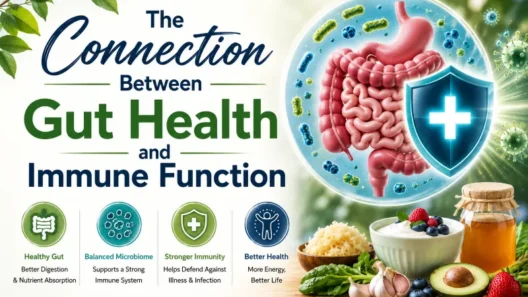
Your gut microbiome doesn’t just help with digestion. It’s a massive ecosystem that affects almost everything from your mood to your immune system. The studies of the human microbiome by NIH say that these little microorganisms connect through multiple pathways, like the nervous system, the immune system, and even through chemicals called metabolites that travel throughout your bloodstream.
A gut reset plan aims to restore the balance of your gut microbiome by flourishing good gut bacteria with the help of eating healthy food, following a healthy lifestyle, and giving your body the proper time it needs to improve overall health. There are no shortcuts for improving your gut health. It is a long process that takes weeks and sometimes even months. These types of approaches have been proven to work for many people.
Why Gut Health is Important for Overall Health
Your digestion of food is not the only thing that needs a healthy gut; your whole body is connected to gut health. Below, I have provided some reasons from health experts about why gut health is important for overall health.
- Stronger Immunity:
Your gut contains about 70-80% of the immune system. Your gut health has a direct effect on your immune system. Your immunity will improve as your gut reset health improves.
- Better Mood:
Your gut is the main manufacturer of serotonin, which is known as the happy chemical that improves your mood. If you have gut issues, your mood also tends to be bad.
- Steady Energy:
Gut bacteria convert fiber into short-chain fatty acids, which your body uses for energy, particularly in gut cells. Bad gut reset health means a lack of energy and feeling tired.
- Healthy Weight:
A healthy gut balances appetite hormones, boosts metabolism, and reduces inflammation, all of which make weight management easier.
Some of the common warnings of bad gut health are bloating, irregular urination, skin problems, or feeling foggy. But no need to worry; most of you can fix this issue by changing to simple, healthy habits in a few weeks.
Signs Your Gut May Be Out of Balance
Your gut gives you many signs of not being healthy, which can help you know that your gut needs a reset. Here are some of the common warning signs of bad gut health:
- Bloating after eating food: Your gut bacteria are fighting over food
- Upset stomach: Gas, cramps, or diarrhea often
- Food feels stuck: Constipation on a regular basis
- Constant fatigue: Even after a good sleep
- Skin issues: Acne, eczema, or rashes
- Mood swings: Anxiety or feeling down without reason
- Food sensitivities: New allergies to foods you used to love
By tracking your symptoms for a week, you can confirm if you have a gut problem or not. If you have more than three warning signs, then you should start preparing for a gut reset.
How This 8-Week Gut Reset Works
Many studies show that your gut starts to react to healthy diet changes or other methods. However, it takes time to get real and long-term benefits and balance the gut microbiome.
Below is the estimation of how this 8-week gut reset plan will work:
- 1-2 Weeks: Remove harmful foods and add gut-friendly ones. Balance in the gut microbiome will start to change.
- 3-4 Weeks: Good bacteria start to multiply. You will see a decrease in bloating, and your energy will improve.
- 5-6 Weeks: Gut lining strengthens. Your irregular urination stops.
- 7-8 Weeks: You will get a stable balance in the gut microbiome. Your mood, skin, and digestion will be improved.
Why 8 weeks? Research shows microbiome changes are visible in days, but stability takes weeks of effort.
Week-By-Week Breakdown of the Gut Reset Plan
Week 1: Clean Your Gut (Remove the Bad Stuff)
Goal: Stop feeding harmful bacteria and give your gut reset a break.
The first week of this plan is all about simply following healthy habits. You just have to eat healthy foods that are beneficial for gut health, like plain yogurt, bananas, rice, and toast, especially if you have been experiencing bloating. These foods calm down your digestive system and lower the inflammation.
You should avoid or at least limit the fried food and sugar because they are harmful to your gut health. They cause gas or stomach discomfort. Try to drink 8 glasses of water daily so you don’t get dehydrated.
In 3-5 days, you will start to notice that bloating has reduced and your stomach feels good.
Week 2: Plant Good Seeds
Goal: Begin restoring healthy gut reset bacteria.
Now that you have calmed down your gut, you can help your beneficial bacteria to grow more. Try eating more fermented food each day, such as yogurt or kefir. Also, try to consume 20 grams of fiber daily from foods like oats and apples.
Having a 15-minute walk after dinner can help to improve your digestion. This week, you also might notice a change in your stool. Your bowel movements become smoother, more regular, and more predictable.
Week 3: Feed the Good Guys
Goal: Help good bacteria grow and thrive.
This week, you will have to focus more on prebiotics. It feeds and nourishes your healthy gut bacteria. Adding garlic, onions, and bananas to your meals can be a very good option for you to improve healthy bacteria. You also have to focus on protein, so try to add lentils, eggs, and fish. Try to avoid red meat for better gut health.
Sleep is also very important for a better gut reset. Try to have 7-9 hours of sleep daily for better gut health and overall energy.
You can expect your digestion to become better and your energy levels to improve noticeably by this week.
Week 4: Build Strength
Goal: Strengthen your gut reset and your routine.
You have to increase your fiber intake to 25-30 grams. For this, you can add beans, berries, and other fiber-rich foods to your diet plan. Stay consistent with one daily serving of prebiotic-rich food.
Try to do some stress-relieving activities daily, because stress can directly affect your digestion. By the end of the week, check to see if your weight, mood, or skin has changed.
Weeks 5–6: Repair & Protect
Goal: Support healing and long-term balance.
Now, your gut reset is ready for deeper nourishment. Add healthy fats to your gut health diet plan, such as avocado, nuts, and olive oil, to protect the gut lining. Polyphenol-rich foods such as blueberries and green tea are very good for reducing inflammation and supporting beneficial bacteria.
Now, try to increase the time of your physical activity. Go for a 30-minute walk at least five times per week. Daily exercise improves digestion and reduces stress levels.
By now, many people have started to have a more stable weight, clearer skin, and less digestion discomfort.
Weeks 7–8: Lock It In
Goal: Turn healthy habits into a lifestyle.
Now, try to eat more than 30 different types of plant foods in the whole week. This helps your gut microbiome stay strong and balanced. Stay consistent with healthy habits and a healthy lifestyle.
You did it! Congrats on nailing your 8-week gut reset. Enjoy better digestion, mood, and lasting energy!
Pro Tip:
Keep a simple journal. Write down what you eat, how your digestion is, your mood, and your energy levels. These small notes will help you throughout your gut-resetting journey.
Foods That Support Gut Health
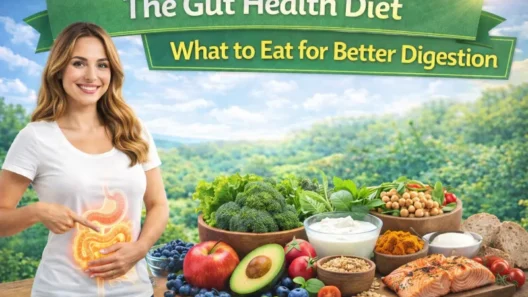
The best foods for your gut reset are those that feed your beneficial bacteria and improve digestion. You should try to eat these 30 different types of plant foods each week. Many health experts recommend these foods.
| Food Type | Examples | How It Helps |
| Leafy Greens | Spinach, Kale, Swiss Chard | High in fiber and specific sugars that fuel healthy gut bacteria. |
| Fermented Foods | Yogurt, Kefir, Kimchi, Sauerkraut, Miso | Contain live probiotics (beneficial bacteria) to populate the gut. |
| High-Fiber Fruits | Raspberries, Pears, Apples, Bananas | Fiber acts as a broom, sweeping waste through the intestines. |
| Healthy Fats | Olive Oil, Avocado, Flaxseeds, Salmon | Reduces inflammation and helps absorb fat-soluble vitamins. |
| Whole Grains | Oats, Quinoa, Brown Rice | Provides bulk to stool and feeds bacteria (prebiotics). |
| Polyphenols | Green Tea, Dark Chocolate (70%+), Berries | Antioxidants that inhibit “bad” bacteria and feed “good” ones. |
Foods That Harm Your Gut Health (Avoid These)
Like how there are foods that support your gut reset, there are foods that harm it. They feed harmful bacteria in your gut microbiome and increase their numbers. Try to avoid the foods mentioned below for a better gut reset.
| Type | Foods | Why to Avoid |
| Ultra-Processed Foods | Cookies, chips, and instant noodles | Harms good gut bacteria |
| Added Sugar | Soda, candies, and sweetened cereal | Feeds harmful gut bacteria |
| Artificial Sweeteners | Sugar-free gum, and diet soda | Imbalances your gut microbiome |
| Fried Foods | French fries and fried chicken | Damages gut lining |
| Refined Carbohydrates | White bread, and pastries | Increases blood sugar |
The Role of Fiber, Probiotics & Prebiotics

Your gut reset needs three important things to work together for better gut health:
Fiber
Fiber is a part of plant food that your body cannot digest. It passes through you, cleaning the digestive tract. The CDC recommends adults get between 22 and 34 grams of fiber a day, yet most people get half that.
Tip: Increase fiber slowly. Jumping from 10g to 30g in one day will cause gas. Add 2-3 grams every few days.
Probiotics
These are the good bacteria found in fermented foods or supplements. They are the “seeds” for your garden. The best sources of probiotics are yogurt with “live and active cultures,” kefir, and aged cheeses.
Prebiotics
This is the food for the probiotics. You can take all the probiotics you want, but if you don’t feed them prebiotics (fiber), they won’t survive. Best sources of prebiotics are garlic, onions, leeks, asparagus, bananas, oats, and apples.
You can better understand probiotics and prebiotics as “If Probiotics are the flowers, Prebiotics are the fertilizer. You need both for a beautiful garden.”
Best Supplements for Gut Repair & Digestion
Supplements aren’t like magic; they can only support your efforts and hard work towards better gut health. Start with food, and add these if needed:
- L-Glutamine: An amino acid that is a primary fuel source for the cells lining the intestines. It helps “seal” the gut lining.
- Probiotics: Look for a multi-strain supplement (Lactobacillus and Bifidobacterium are common research-backed strains).
- Vitamin D: Low Vitamin D is linked to poor gut health. Since many of us are deficient, a supplement can help regulate immune function in the gut.
- Digestive Enzymes: If you feel heavy after eating, these can help break down fats, proteins, and carbs while your body heals.
Note: Consult your doctor first if you’re pregnant, on meds, or have IBS.
The Gut-Brain Connection
The Vagus Nerve, a superhighway of information, connects your gut and brain. When you are stressed, your body goes into “fight or flight” mode. Digestion shuts down because your body prioritizes survival over processing lunch.
Issues because of this connection:
- The gut makes serotonin (a happy chemical), so poor gut health can lead to anxiety
- Stress kills good bacteria
- 90% of serotonin is produced in the gut, not the brain.
Solution:
- Deep breathing: 5 minutes morning/evening
- Laugh daily: Boosts good bacteria
- Nature walks: Lowers stress hormones
- Many studies show that probiotics improve anxiety.
Lifestyle Habits That Improve Gut Health
Healthy food is 80%, and healthy habits are 20%. Do these daily:
- Chewing slowly (30x per bite) aids digestion
- Walking after meals (10 minutes) prevents bloating
- Daily sleep of 7-9 hours repairs the gut
- Do meditation and gratitude journaling for less stress
- Stay hydrated. Drink 8-10 glasses of water daily.
Tip: 30 minutes of moderate activity grows Bifidobacteria (superhero gut bacteria).
Who Should Try This 8-Week Gut Reset?
You Should, If You Have:
- Frequent bloating/gas
- Irregular bowels
- Sugar cravings
- Low energy after meals
- Skin issues
You Should Skip (or see a doctor first) if:
- Pregnant/nursing moms
- Chronic diarrhea
- Unexplained weight loss
- Blood in stool
- Eating disorders
Final Thoughts
This 8-week gut reset plan can help to improve your digestion, energy, mood, and overall health, too. By taking 8 weeks to focus intentionally on what you eat, how you sleep, and how you manage stress, you are doing more than just fixing a stomachache.
You are resetting your baseline for health. You are teaching your body to crave nutrients, lowering systemic inflammation, and protecting your long-term mental and physical well-being.
Remember, perfection is not the goal. Consistency is. Start where you are, use the tools in this guide, and treat your gut reset with the kindness it deserves. Your body will thank you!
Frequently Asked Questions
1. Is an 8-week gut reset really necessary, or can I do it faster?
It’s tempting to want a quick fix, such as a 3-day juice cleanse, but true healing takes time. An 8-week gut reset gives your microbiome enough time to shift. The first few weeks clear out the “junk,” and the later weeks rebuild the good bacteria. Rushing it usually means the old habits (and symptoms!) come back just as fast.
2. Will I feel hungry on this gut cleanse plan?
You shouldn’t! Unlike a starvation diet, a proper gut cleanse plan is about nourishment, not deprivation. You will be eating plenty of whole foods, healthy fats, and proteins.
3. How do I know if the reset is working?
The biggest sign is usually a reduction in bloating and gas. You might notice your pants fit more comfortably around the waist. Other signs include having more consistent energy throughout the day, sleeping better, and seeing that your “brain fog” has lifted.
4. Can I exercise while doing a gut reset?
Absolutely. In fact, exercising helps digestion! However, because your body is using energy to heal internally, you might want to skip the high-intensity sprinting or heavy powerlifting for a few weeks.
5. Do I need to buy expensive supplements?
No. While supplements like probiotics or L-glutamine can only support your process, they aren’t magic pills. The most effective way to reset your gut naturally is through the healthy food you buy at the grocery store.
6. What do I do after the 8 weeks are over?
Celebrate! But don’t go back to eating fast food every day. The goal of this reset plan is to build new habits. You can gradually start eating foods you missed and then, according to your body’s reaction, decide if you want to continue with them or not.
Author: Emma Collins
Wellness & Nutrition Writer (USA)
Emma Collins, a US-based wellness and nutrition writer, helps people improve gut health and digestion and live healthier lives with simple, practical advice. She enjoys breaking down health challenges into clear, effective advice that is easy to follow. In her spare time, she enjoys going on nature walks and preparing healthy, gut-friendly foods.
VISIT MORE GUT HEALTH SUPPLEMENT
Author

Your Health Rights is a U.S.-based health and wellness platform dedicated to empowering readers with clear, research-backed content across Men’s Health, Women’s Health, Weight Loss, Health Supplements, and Immunity & General Wellness.