






Digestive discomfort, bloating, gas, constipation, and a feeling of heaviness after meals are common problems that can affect everyday life. Whether you experience occasional bloating after eating or regularly struggle with digestive discomfort, small changes in your daily routine may help support a healthier digestive system.
Understanding how to improve digestion is not just about choosing the right foods. Eating habits, hydration, physical activity, stress management, sleep, and overall lifestyle can all influence digestive health. Fortunately, there are several practical ways to support your gut without relying on complicated routines.
In this guide, we will explore how to improve digestion naturally, reduce bloating naturally, support gut health, and develop simple habits that may help you feel more comfortable after meals.
Quick Answer: You can improve digestion naturally by eating slowly, drinking enough water, consuming fiber-rich foods, exercising regularly, and managing stress. To reduce bloating naturally, avoid overeating, limit carbonated drinks, identify foods that trigger symptoms, and take gentle walks after meals. These habits may support better digestive health and regular bowel movements over time.
What Is Digestive Health and Why Does It Matter?
Digestive health refers to how effectively your digestive system breaks down food, absorbs nutrients, and removes waste from the body. Your digestive system includes the mouth, esophagus, stomach, small intestine, large intestine, liver, pancreas, and gallbladder.
When digestion works properly, your body can absorb essential nutrients while maintaining regular bowel movements and a healthy balance of gut microorganisms.
However, several factors can interfere with normal digestion, including:
- Eating too quickly or overeating.
- Consuming too many processed foods.
- Drinking insufficient water.
- Eating foods that trigger gas or discomfort.
- Experiencing ongoing stress.
- Getting insufficient physical activity.
- Irregular sleep habits.
- Certain medications or underlying digestive conditions.
Healthy digestion is not about eliminating every digestive symptom. It is about supporting your digestive system through balanced eating habits and a healthy lifestyle.
How to Improve Digestion Naturally
If you are wondering how to improve digestion without making drastic changes to your diet, start with manageable daily habits. These changes may support regular bowel movements, reduce digestive discomfort, and promote better digestive health over time.
1. Eat Slowly and Chew Your Food Properly

One of the simplest tips for better digestion is to eat slowly. When people eat quickly, they may swallow more air and consume more food than their body needs before feeling satisfied.
Chewing food thoroughly helps break it into smaller pieces, making it easier for your digestive system to process. It also allows digestive enzymes in saliva to begin breaking down certain nutrients before food reaches the stomach.
Try to make mealtimes more relaxed by:
- Avoiding eating while rushing between tasks.
- Taking smaller bites.
- Chewing food thoroughly.
- Putting your spoon or fork down between bites.
- Avoiding distractions when possible.
Eating slowly may also help you recognize fullness signals, potentially reducing overeating and post-meal discomfort.
2. Eat More Fiber-Rich Foods
Fiber is an important part of a healthy diet because it supports bowel regularity and helps maintain a healthy digestive system. Some types of fiber also support beneficial bacteria in the gut.
Good sources of dietary fiber include:
| Food | Fiber-supporting benefit |
| Oats | Contains soluble fiber that supports bowel regularity |
| Apples | Provide fiber, including pectin |
| Beans and lentils | Offer fiber and plant-based protein |
| Chia seeds | Contain soluble fiber |
| Vegetables | Provide fiber, vitamins, and minerals |
| Whole grains | Help support regular bowel movements |
| Pears | Offer dietary fiber |
Increasing fiber gradually is important. Adding large amounts of fiber suddenly can sometimes increase gas and bloating.
If you currently eat very little fiber, introduce fiber-rich foods slowly and drink enough fluids to help your body adjust.
3. Drink Enough Water Throughout the Day

Hydration plays an important role in digestive health. Water helps soften stool, supports normal bowel movements, and assists various digestive processes.
Insufficient fluid intake may contribute to constipation, which can sometimes make bloating and abdominal discomfort worse.
To support hydration:
- Drink water regularly throughout the day.
- Increase fluids during hot weather or physical activity.
- Eat water-rich foods such as cucumber, watermelon, and oranges.
- Avoid relying heavily on sugary beverages.
- Adjust your fluid intake based on activity levels and your health needs.
You do not necessarily need to drink a specific amount of water every day regardless of your circumstances. Your hydration needs depend on your body, environment, activity, and medical conditions.
4. Add More Fruits and Vegetables to Your Diet
Fruits and vegetables provide essential nutrients, antioxidants, and dietary fiber that support overall health and digestion.
A balanced diet may include:
- Spinach and other leafy greens.
- Carrots.
- Cucumbers.
- Bananas.
- Papaya.
- Berries.
- Oranges.
- Zucchini.
- Tomatoes.
Some people experience bloating after eating particular fruits or vegetables, especially those containing fermentable carbohydrates. If a specific food consistently triggers discomfort, consider adjusting the portion size or exploring alternatives rather than eliminating entire food groups unnecessarily.
Eating a variety of fruits and vegetables can help support better digestive health while providing important nutrients.
5. Take a Walk After Meals

Gentle physical activity may help support normal digestive movement. A short walk after a meal can be a simple way to encourage movement, particularly if you spend most of your day sitting.
You do not need an intense workout to support digestion.
Try:
- Walking for 10 to 15 minutes after a meal.
- Taking short movement breaks during work.
- Avoiding prolonged sitting.
- Incorporating regular exercise into your weekly routine.
Physical activity can also support bowel regularity and overall metabolic health.
If you experience severe discomfort after eating, choose gentle movement and avoid strenuous exercise until you feel better.
Why Digestion Is Important for Overall Health
Healthy digestion plays an important role in how your body absorbs nutrients, processes food, and maintains energy throughout the day. When your digestion works properly, your body can break down food efficiently and support regular bowel movements.
Poor digestion may sometimes lead to bloating, gas, constipation, or stomach discomfort. Improving digestion through healthy eating habits, proper hydration, and regular physical activity can help support your overall well-being. Paying attention to your digestion is an important step toward maintaining a healthier lifestyle.
Natural Ways to Reduce Bloating

Bloating is a feeling of fullness, pressure, or swelling in the abdomen. It may happen when gas accumulates in the digestive tract, when bowel movements are irregular, or when certain foods are difficult for your body to digest.
Although occasional bloating is common, recurring symptoms may require attention to dietary habits or an underlying digestive condition.
Here are some natural ways to reduce bloating that may help.
1. Identify Foods That Trigger Bloating
Different foods affect people differently. Some foods may cause increased gas because they contain carbohydrates that gut bacteria ferment.
Common foods or ingredients that may trigger bloating in some people include:
- Beans and lentils.
- Certain cruciferous vegetables, including cauliflower and broccoli.
- Onions and garlic.
- Milk and dairy products in people with lactose intolerance.
- Carbonated beverages.
- Some sugar substitutes, such as sorbitol and mannitol.
You can keep a simple food and symptom diary for one or two weeks. Record what you eat, how much you eat, and when symptoms occur.
This may help identify patterns without unnecessarily restricting your diet.
2. Avoid Eating Too Much at One Time
Large meals can sometimes increase abdominal pressure and contribute to a feeling of fullness or discomfort.
Instead of eating excessively large meals, try:
- Eating moderate portions.
- Avoiding unnecessary overeating.
- Eating regular meals if that works for your routine.
- Taking your time during meals.
- Avoiding lying down immediately after eating.
Smaller meals may help some people who experience bloating after large meals, although the ideal meal pattern varies from person to person.
3. Limit Carbonated Drinks

Carbonated beverages contain dissolved gas. When you drink them, some of that gas may contribute to belching or a feeling of bloating.
If you regularly experience bloating, consider reducing:
- Soda.
- Sparkling water.
- Carbonated energy drinks.
- Other fizzy beverages.
Replacing these drinks with plain water or noncarbonated beverages may help some people feel more comfortable.
4. Try Ginger in Moderation
Ginger has traditionally been used to support digestive comfort. Some research suggests that ginger may help certain digestive processes, including stomach emptying, although its effects vary and it is not a proven treatment for every cause of bloating.
You can incorporate ginger into your routine by:
- Adding fresh ginger to meals.
- Drinking mild ginger tea.
- Using ginger in soups or homemade recipes.
Ginger may not be suitable for everyone, particularly in large amounts or when taking certain medications. It should not be used as a substitute for medical evaluation when symptoms are persistent.
5. Consider Peppermint Carefully
Peppermint may help some people with symptoms associated with irritable bowel syndrome (IBS), particularly when used in enteric-coated peppermint oil preparations studied in clinical research.
However, peppermint may worsen acid reflux or heartburn in some people.
If you regularly experience reflux, peppermint may not be the best choice for you.
Natural remedies for bloating should always be selected based on the symptoms and underlying causes rather than assuming that one remedy works for everyone.
6. Avoid Lying Down Immediately After Meals
Lying down immediately after eating may worsen reflux symptoms in some individuals.
If you regularly experience heartburn, acid reflux, or discomfort after meals, consider remaining upright for a while after eating.
This may help reduce the likelihood of stomach contents moving back toward the esophagus.
People with frequent reflux symptoms may benefit from avoiding large meals close to bedtime.
Foods That May Support Better Digestive Health
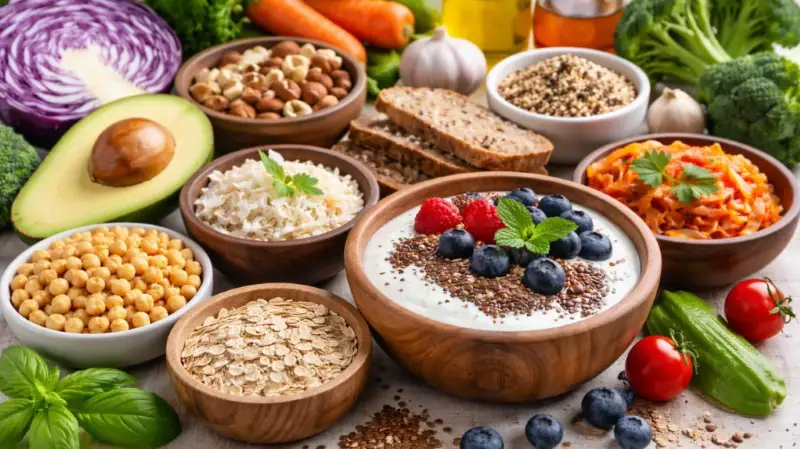
Your daily food choices can influence digestive comfort, bowel movements, and the gut microbiome.
Instead of focusing on restrictive diets, try building balanced meals that include different food groups.
| Food | Why it may help |
| Oatmeal | Provides soluble fiber |
| Yogurt with live cultures | May provide beneficial microorganisms, depending on the product |
| Papaya | Provides fiber and nutrients |
| Bananas | Provide fiber and potassium |
| Leafy vegetables | Support nutrient intake and fiber consumption |
| Chia seeds | Provide fiber |
| Lentils | Provide fiber and plant-based protein |
| Ginger | Traditionally used for digestive comfort |
| Water | Helps support normal bowel movements |
What About Probiotic Foods?
Probiotic foods may contain live microorganisms that can influence the gut microbiome.
Examples include certain yogurts, kefir, and fermented foods.
However, probiotic effects depend on the specific microorganism, product, and individual. Not every probiotic product provides the same benefits, and probiotics are not guaranteed to reduce bloating.
If you have a medical condition or a weakened immune system, consult a healthcare professional before taking probiotic supplements.
Lifestyle Habits That Help Improve Gut Health Naturally
Digestive health is influenced by more than food. Your everyday routine can also affect your gut and overall well-being.
Manage Stress
Stress can influence the gut-brain connection, which links the brain and digestive system. Some people notice changes in bowel habits, appetite, or abdominal discomfort during stressful periods.
Simple stress-management techniques may include:
- Deep breathing exercises.
- Meditation.
- Gentle yoga.
- Spending time outdoors.
- Taking regular breaks.
- Maintaining a consistent routine.
Stress management does not eliminate every digestive problem, but it may help people whose symptoms are influenced by stress.
Get Enough Sleep
Sleep supports overall health and may influence digestive function through its effects on hormones, stress, metabolism, and daily routines.
Try to maintain a consistent sleep schedule, reduce screen exposure before bed, and create a comfortable sleeping environment.
Poor sleep may contribute to unhealthy eating patterns and stress, which can indirectly affect digestive comfort.
Maintain Regular Bowel Habits
Ignoring the urge to use the bathroom may contribute to constipation in some people.
You can support regular bowel habits by:
- Eating adequate fiber.
- Drinking enough fluids.
- Staying physically active.
- Allowing yourself enough time in the bathroom.
- Responding to the urge to have a bowel movement.
These simple tips for better digestion may help support bowel regularity over time.
A Simple Daily Routine to Improve Digestion Naturally
Here is an example of a daily routine that may support digestive health without requiring complicated changes.
| Time | Habit |
| Morning | Drink water and eat a balanced breakfast |
| Breakfast | Include oats, fruit, eggs, or another nutritious option |
| Mid-morning | Take a short movement break |
| Lunch | Eat slowly and include vegetables and protein |
| After lunch | Take a gentle 10-minute walk |
| Afternoon | Drink water and avoid excessive sugary drinks |
| Dinner | Eat a balanced meal and avoid overeating |
| After dinner | Take a light walk if comfortable |
| Before bed | Maintain a relaxing routine and avoid lying down immediately after a large meal |
This routine is an example, not a medical or nutritional prescription. Adapt it to your dietary preferences, schedule, and health needs.
Common Mistakes That Can Make Digestion Worse
Sometimes, people try several remedies without realizing that their everyday habits may be contributing to digestive discomfort.
Here are some common mistakes to avoid:
- Increasing fiber too quickly: A sudden increase in fiber may cause additional gas and bloating.
- Skipping meals and overeating later: Irregular eating patterns may lead to larger meals and digestive discomfort for some people.
- Drinking too many fizzy beverages: Carbonated drinks may increase belching and bloating.
- Ignoring food sensitivities: Certain foods may trigger symptoms in individuals with food intolerances.
- Taking unnecessary supplements: Digestive supplements are not always beneficial and may interact with medications.
- Eating too quickly: Fast eating may increase swallowed air and make it easier to overeat.
- Ignoring persistent symptoms: Recurring digestive problems may require medical evaluation rather than home remedies.
When Should You See a Doctor for Digestive Problems?
Occasional bloating or digestive discomfort is common. However, persistent or worsening digestive symptoms should not always be treated with home remedies.
Seek medical advice if you regularly experience:
- Persistent abdominal bloating.
- Severe or recurring abdominal pain.
- Frequent constipation or diarrhea.
- Blood in your stool.
- Unexplained weight loss.
- Persistent vomiting.
- Difficulty swallowing.
- Early fullness after eating.
- Symptoms that interfere with your daily activities.
Seek urgent medical care if you experience severe abdominal pain, vomiting blood, black or bloody stools, or significant abdominal swelling accompanied by an inability to pass stool or gas.
These symptoms may indicate an underlying medical problem that needs evaluation.
Frequently Asked Questions For Better Digestion
1. How can I improve digestion naturally?
You can improve digestion naturally by eating slowly, drinking enough water, consuming fiber-rich foods, staying physically active, getting adequate sleep, and managing stress. Avoiding overeating and identifying foods that trigger discomfort may also help support better digestive health.
2. What are the best natural ways to reduce bloating?
Some natural ways to reduce bloating include eating smaller portions, chewing food properly, reducing carbonated beverages, drinking adequate water, walking after meals, and identifying foods that may trigger gas. The best approach depends on the underlying cause of your bloating.
3. Which foods help improve digestion?
Foods that may support digestion include oats, fruits, vegetables, whole grains, legumes, and certain fermented foods. These foods can provide fiber and nutrients that support normal bowel movements and overall gut health.
4. Does drinking water help reduce bloating?
Drinking enough water may help support digestion and prevent constipation. However, drinking excessive amounts of water at once does not necessarily reduce bloating. Regular hydration throughout the day is generally more helpful.
5. Is walking after meals good for digestion?
A gentle walk after meals may support normal digestive movement and help some people feel more comfortable. Walking can also support overall physical health and bowel regularity.
6. Can stress cause digestive problems?
Yes. Stress can influence the gut-brain connection and may affect bowel habits, appetite, and digestive discomfort. Managing stress through relaxation techniques, exercise, and adequate sleep may help some people manage digestive symptoms.
7. What causes bloating after eating?
Bloating after eating may result from swallowed air, large meals, constipation, certain food intolerances, or the fermentation of carbohydrates by gut bacteria. Frequent bloating may also be associated with conditions such as irritable bowel syndrome or other digestive disorders.
8. How long does it take to improve digestive health?
The time required to notice improvements depends on the cause of digestive discomfort and the lifestyle changes you make. Some people may notice changes in bowel regularity or comfort within a few days, while others may need longer. Persistent symptoms should be evaluated by a healthcare professional.
9. Can I improve gut health naturally without supplements?
Yes. Many people can support their gut health through a balanced diet, fiber-rich foods, hydration, regular physical activity, adequate sleep, and stress management. Supplements are not necessary for everyone, and their benefits depend on individual needs.
10. What is the best daily habit for better digestion?
There is no single best habit for everyone. However, eating slowly, staying hydrated, consuming adequate fiber, and maintaining regular physical activity are practical habits that can help support healthy digestion.
Suggested Authoritative External Sources
These sources can support the article’s factual information and improve its credibility:
- National Institute of Diabetes and Digestive and Kidney Diseases (NIDDK) – Digestive disorders, constipation, IBS, and digestive health.
- Harvard Health Publishing – Digestive health and lifestyle-related health information.
- Mayo Clinic – Digestive symptoms, bloating, and health guidance.
- NHS – Practical health advice and digestive symptom information.
- PubMed – Scientific studies related to fiber, probiotics, digestive health, and gastrointestinal symptoms.
Final Thoughts
Improving digestion and reducing bloating naturally does not always require a complicated diet or expensive supplements. Often, consistent lifestyle habits can make a meaningful difference in supporting digestive comfort and overall health.
Start by eating slowly, drinking enough water, adding fiber-rich foods gradually, walking regularly, and paying attention to how your body responds to different foods. Managing stress and maintaining a consistent sleep routine can also support better digestive health.
Remember that occasional digestive discomfort is common, but persistent symptoms deserve attention. Instead of trying to suppress every symptom with home remedies, focus on understanding your body’s needs and building sustainable habits.
Small, consistent changes in your daily routine may be one of the most practical ways to support better digestive health over time.
Author


Your Health Rights is a U.S.-based health and wellness platform dedicated to empowering readers with clear, research-backed content across Men’s Health, Women’s Health, Weight Loss, Health Supplements, and Immunity & General Wellness.


