




Drinking enough water is one of the simplest habits you can build into your daily routine when you’re trying to manage your weight. While water alone cannot burn body fat or replace a balanced diet and regular physical activity, it may support several processes that make weight management easier, including appetite control, digestion, and replacing high-calorie beverages.
Many people search for Drinking Water for Weight Loss because they want to know whether drinking more water can actually help them lose weight, how much water they should drink, and whether drinking water before meals makes a difference.
The short answer: Drinking water may support weight management, especially when it replaces sugary drinks or helps you feel comfortably full before meals, but it is not a standalone weight-loss solution.
In this guide, we’ll explore the benefits of drinking water, what science says about hydration and weight management, practical tips for building a healthy hydration routine, and common myths you should know about.
Can Drinking Water Help You Lose Weight?
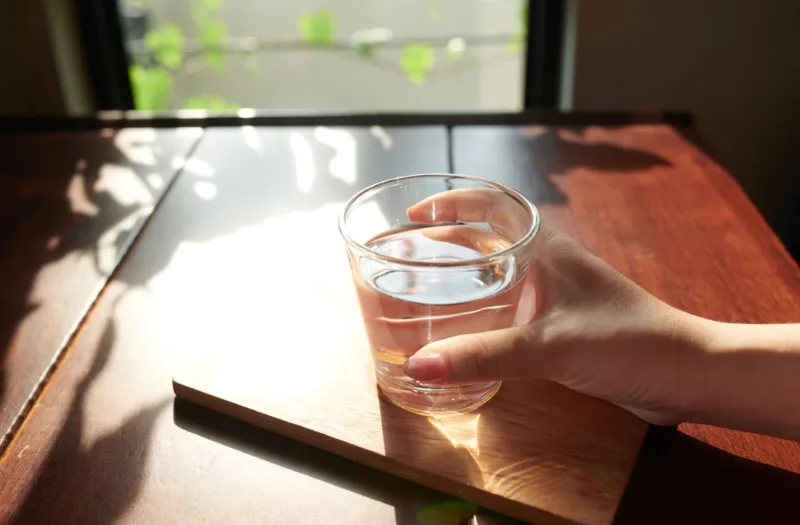
Yes, water may help support weight management, but it is not a standalone weight-loss solution.
Drinking water can contribute to a healthy weight-management routine in several ways. It may help reduce calorie consumption when replacing sugary beverages, support normal bodily functions, and potentially influence appetite when consumed before meals.
The body needs water for numerous processes, including digestion, temperature regulation, nutrient transportation, and waste removal. Maintaining adequate hydration can help the body function normally while supporting physical activity and overall well-being.
The relationship between water consumption and body weight is more complicated than simply drinking a certain number of glasses every day. Research suggests that the benefits may depend on a person’s existing beverage habits, eating patterns, activity level, and overall calorie intake.
For someone who regularly drinks soda, sweetened coffee, energy drinks, or sugary juices, switching to water may be a particularly helpful change.
For someone who already drinks mostly water and follows a balanced diet, increasing water consumption alone may not produce noticeable weight changes.
What Is the Connection Between Water and Weight Loss?
Water plays an important role in the body’s daily functions, including digestion, temperature regulation, circulation, and waste removal. Although water does not directly melt fat, maintaining adequate hydration may support lifestyle habits that help people manage their body weight.
When people discuss Drinking Water for Weight Loss, they are usually referring to a few potential benefits: reducing calorie intake from beverages, helping manage hunger before meals, supporting digestion, and making physical activity more comfortable.
Water is naturally calorie-free. Unlike soda, sweetened tea, energy drinks, or sugary coffee, plain water does not add calories to your daily diet. Therefore, replacing high-calorie drinks with water may help create the calorie deficit needed for weight loss.
Hydration also matters during physical activity. When the body loses fluids through sweating, dehydration can affect physical performance and make exercise feel more difficult. Drinking enough fluids helps maintain normal body functions during activity.
Water is best viewed as a supportive weight-management habit rather than a fat-burning treatment. Simple daily changes can make Drinking Water for Weight Loss easier over time.
Benefits of Drinking Water for Weight Management
There are several potential benefits of drinking water that may indirectly support a healthy weight-loss routine.
1. Water Can Help Reduce Liquid Calorie Intake
One of the most practical water weight loss benefits comes from replacing calorie-containing beverages with plain water.
Many people consume calories through beverages without realizing how quickly they add up. Regular soda, sweetened iced tea, flavored coffee, sports drinks, and packaged fruit drinks can contribute substantial calories to a daily eating pattern.
For example, replacing a sugary beverage with water can reduce the calories consumed from that drink, depending on its size and ingredients.
This simple change may make it easier to manage overall calorie intake without drastically changing your meals.
The Centers for Disease Control and Prevention (CDC) recommends choosing water instead of sugary drinks as one way to support healthier eating and weight-management habits.
2. Drinking Water Before Meals May Help You Feel Fuller
Some research suggests that drinking water before meals may help certain adults feel fuller and consume less food during a meal.
This approach is commonly called water preloading. It involves drinking water before eating rather than waiting until you feel thirsty.
For some people, drinking water before meals may help create a more comfortable sense of fullness, which can support portion awareness and eating habits.
However, the effect is not identical for everyone. Water does not guarantee reduced hunger or lower calorie intake, and it should not be used to replace nutritious food. Drinking Water for Weight Loss may help some people feel fuller before meals.
3. Water Supports Digestion
Water is important for normal digestive function. It helps the body process food and supports the movement of waste through the digestive system.
When combined with fiber-rich foods such as vegetables, fruits, whole grains, beans, and nuts, adequate fluid intake can help support regular bowel movements.
People who are dehydrated may experience constipation, which can contribute to uncomfortable bloating.
While water does not directly reduce body fat, maintaining hydration may help you feel more comfortable as you follow a balanced eating plan. Drinking Water for Weight Loss may support mindful eating habits.
4. Hydration Helps Support Physical Activity
Exercise is an important part of a healthy weight-management routine. Whether you walk, cycle, dance, swim, or perform strength training, hydration supports normal physical functioning.
Water helps regulate body temperature and replaces fluid lost through sweating. Drinking Water for Weight Loss can complement regular physical activity.
Staying hydrated during physical activity may help you maintain comfort and avoid dehydration, particularly during exercise in hot weather.
For people who are beginning a weight-loss journey, drinking water throughout the day and around exercise sessions can be a practical habit.
5. Water Is a Calorie-Free Beverage
Plain water contains no calories, making it an easy option for people who want to reduce their beverage-related calorie intake.
If you regularly consume sweetened beverages, switching to water may help you make a meaningful change in your daily eating pattern.
This is one of the most realistic reasons Drinking Water for Weight Loss can be helpful: it supports a lower-calorie beverage choice without requiring complicated meal preparation or restrictive dieting.
6. Water Helps Maintain Normal Body Functions
Adequate hydration supports several important functions, including:
- Maintaining normal body temperature.
- Lubricating and cushioning joints.
- Supporting circulation.
- Helping remove waste through urine, sweat, and bowel movements.
- Protecting sensitive tissues.
- Supporting normal physical functioning.
These functions are important for overall health, whether or not you are trying to lose weight.
The benefits of Drinking Water for Weight Loss may also be more noticeable when water replaces sugary beverages such as soda, sweetened coffee, and packaged drinks.
What Science Says About Drinking Water for Weight Loss

Scientific research on water intake and weight management has produced mixed results. Some studies suggest that certain hydration strategies may help with weight loss, while other studies have found little or no significant effect. Drinking Water for Weight Loss may help support healthier daily habits.
The results appear to depend on factors such as the amount of water consumed, the population studied, whether water replaces another beverage, and whether participants follow a calorie-controlled diet.
Research on Water Before Meals
A randomized controlled trial published in 2015 investigated whether drinking water before meals could help adults with obesity lose weight.
Participants were assigned to drink approximately 500 mL of water 30 minutes before their main meals or to follow a comparison approach. After 12 weeks, the water-preloading group lost approximately 1.3 kg more than the comparison group. Drinking Water for Weight Loss is easier when hydration becomes a daily habit.
The researchers concluded that premeal water consumption may offer a modest benefit when combined with a weight-management approach.
Research in Middle-Aged and Older Adults
Another study investigated the effect of drinking water before meals among adults aged 55 to 75 who were following a calorie-restricted diet.
Participants who consumed approximately 500 mL of water before each main meal experienced greater weight loss over 12 weeks compared with participants who followed the diet without the same water-preloading routine.
The findings suggest that drinking water before meals may help some adults manage food intake when combined with dietary changes.
What Systematic Reviews Say
A systematic review and meta-analysis published in 2024 examined randomized controlled trials involving water intake and body-fat-related outcomes among people with overweight or obesity.
The review found that increasing water intake alone did not produce a clear, significant overall reduction in body weight across the included studies. However, replacing sugar-sweetened beverages with water may provide a modest benefit.
This highlights an important distinction: drinking extra water without changing other habits may not result in noticeable weight loss, but replacing high-calorie beverages with water can be a useful strategy.
Scientific takeaway: Water may support weight management, but the strongest practical approach is to use it as part of a balanced lifestyle rather than relying on water alone.
Water vs. Sugary Drinks: Which Is Better for Weight Management?
Choosing water instead of sugary beverages can be one of the easiest ways to reduce unnecessary calorie intake. By making Drinking Water for Weight Loss a regular habit, you may find it easier to replace sugary drinks, stay hydrated, and maintain a more balanced eating routine.
| Beverage | Calories | Weight-management considerations |
| Plain water | 0 | Hydrating, calorie-free option |
| Regular soda | Often around 140–150 per 12 oz | Added sugars can contribute to calorie intake |
| Sweetened iced tea | Varies considerably | May contain substantial added sugar |
| Sweetened coffee drinks | Highly variable | Calories may come from sugar, syrups, cream, and toppings |
| Unsweetened tea | Usually very low | Can be a low-calorie alternative |
| Sparkling water | Usually 0 | May help people who prefer carbonated beverages |
Values are approximate and depend on the specific product and serving size.
The most important change may be replacing regularly consumed sugary drinks with lower-calorie alternatives.
For people who dislike plain water, sparkling water or water flavored with lemon, cucumber, mint, or other fruit slices may make hydration more enjoyable.
Does Drinking Water Before Meals Help With Weight Loss?
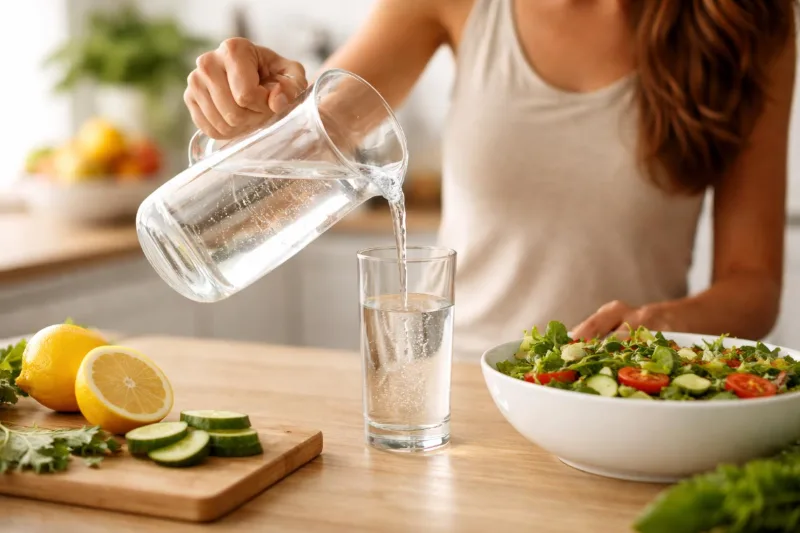
Drinking water before meals is one of the easiest hydration habits to try. It may help some people feel more satisfied before eating, particularly when combined with mindful eating and balanced diet plan meals. A consistent water intake routine can support Drinking Water for Weight Loss goals.
A practical approach is to drink a glass of water approximately 20 to 30 minutes before a meal, if that feels comfortable.
For example:
- Drink water before breakfast if you wake up feeling thirsty.
- Have a glass of water before lunch.
- Drink water before dinner.
- Eat slowly and pay attention to your hunger and fullness cues.
The idea behind drinking water before meals is not to suppress your appetite completely. Instead, it may help you avoid confusing thirst with hunger in some situations and encourage more mindful eating.
However, thirst and hunger are different sensations, and water cannot replace the nutrition your body needs.
How to Try Water Preloading
Step 1: Drink a glass of water
Drink approximately 250–500 mL before a meal if comfortable. You do not need to force a large amount.
Step 2: Eat a balanced meal
Include vegetables, protein, whole grains, and healthy fats to support satisfaction and nutrition.
Step 3: Eat at a comfortable pace
Take time to eat and notice when you feel comfortably full instead of eating too quickly.
How Much Water Should You Drink Daily for Weight Loss?
There is no single daily water intake target that works for everyone. Your hydration needs depend on your age, body size, activity level, climate, diet, pregnancy status, health conditions, and other factors.
People who exercise regularly, work outdoors, live in hot environments, or sweat heavily may need more fluids than people with sedentary lifestyles.
For most healthy adults, drinking regularly throughout the day and responding to thirst is a reasonable starting point. Water from foods and other beverages also contributes to overall fluid intake.
Is Drinking 8 Glasses of Water a Day Necessary?
The popular recommendation of eight glasses of water per day is a simple guideline, not a universal medical requirement.
Some people may need more, while others may need less. Your total fluid intake also includes beverages such as unsweetened tea and the water present in foods like cucumbers, watermelon, oranges, soups, and other vegetables.
When following Drinking Water for Weight Loss, focus on consistent hydration rather than forcing yourself to drink an exact amount.
Signs That You May Need More Water
- Feeling thirsty.
- Dry mouth.
- Darker urine.
- Reduced urination.
- Feeling tired during activities, particularly when dehydration is involved.
These symptoms are not specific to dehydration and can have other causes. Urine color is only a rough guide to hydration.
Avoid drinking excessive quantities of water in a short period. Drinking Water for Weight Loss overhydration can be dangerous because it may dilute sodium levels in the blood. People with kidney, heart, or certain other medical conditions may need individualized fluid guidance.
Best Times to Drinking Water for Weight Loss
You do not need a strict schedule to stay hydrated, but spreading water intake throughout your day can make the habit easier. Although Drinking Water for Weight Loss does not directly burn body fat.
In the Morning
Drink water when you wake up if you feel thirsty. It can help you begin your day hydrated after several hours without drinking.
However, morning water does not detox your body or specifically burn fat.
Before Meals
Drinking water before meals may support fullness for some adults. You can try this habit as part of a balanced eating routine.
During Exercise
Drink water before, during, and after exercise according to thirst, activity duration, and conditions. Longer or intense exercise, particularly in hot weather, may require additional fluid and electrolytes.
Throughout the Day
Keeping water nearby can help you remember to drink regularly, particularly when working, studying, travelling, or spending long periods indoors.
Before Bed
You can drink water if you are thirsty in the evening. However, avoid drinking large amounts immediately before sleeping if it regularly interrupts your sleep with nighttime bathroom visits.
Practical Tips for Drinking More Water to Lose Weight
Building a hydration habit does not have to be complicated. Small changes can make drinking water daily for weight loss easier to maintain. Many people explore Drinking Water for Weight Loss because they want to reduce unnecessary calorie intake, improve daily hydration, and develop healthier eating habits.
1. Carry a Reusable Water Bottle
Keeping a water bottle with you at work, home, or while travelling can make it easier to drink throughout the day. You can refill it as needed instead of waiting until you feel thirsty.
2. Replace Sugary Drinks With Water
This may be one of the most useful strategies for people trying to manage their calorie intake.
Consider replacing:
- Regular soda with plain or sparkling water.
- Sweetened iced tea with unsweetened tea or water.
- Sugary fruit drinks with water.
- Sweetened coffee drinks with plain coffee and water alongside it.
These changes may reduce the number of calories you consume from beverages.
3. Add Natural Flavors
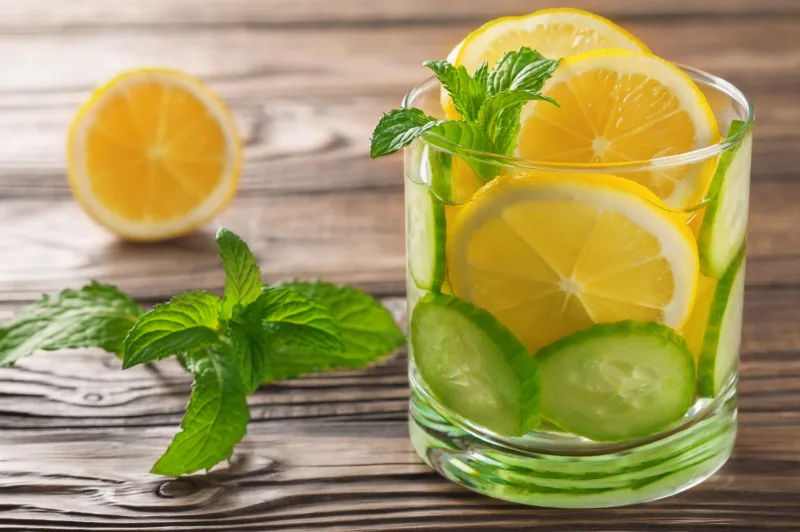
If you find plain water boring, try adding lemon or lime slices, fresh cucumber, mint leaves, a few berries, or orange slices.
These ingredients can make water more enjoyable without requiring large amounts of added sugar.
4. Drink Water With Your Meals
Keep a glass of water on the dining table. This encourages you to drink regularly and makes water a natural part of your eating routine.
5. Use Reminders if You Forget
If you often forget to drink water during busy workdays, set a reminder on your phone or keep your bottle somewhere visible.
The goal is to build a consistent habit, not to constantly monitor or force your water intake.
6. Eat Foods With High Water Content
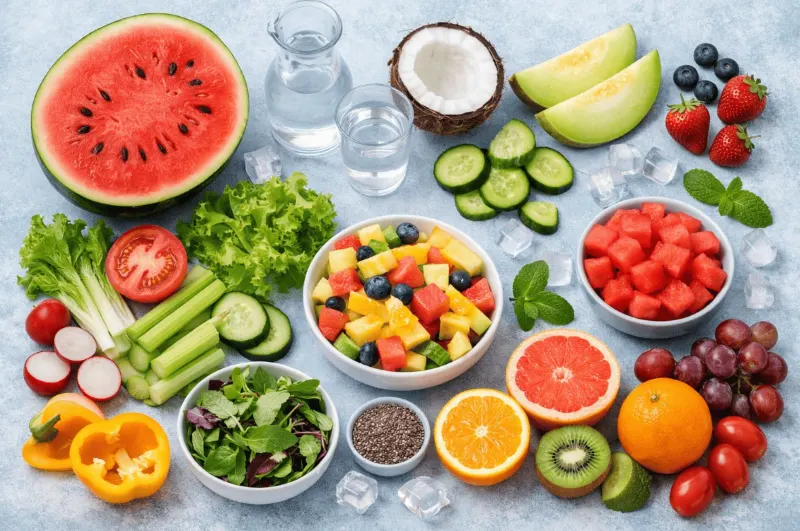
Hydration is not limited to beverages. Many foods naturally contain water and contribute to overall fluid intake.
Some water-rich foods you can include in your meals are:
- Watermelon: Refreshing and naturally rich in water.
- Cucumber: Contains substantial water and adds crunch to meals.
- Oranges: Provide water, vitamin C, and dietary fiber.
- Lettuce: Contains water and can be included in salads.
- Strawberries: Provide water along with vitamins and fiber.
Combining water-rich foods with regular hydration can help support an overall healthy eating pattern.
Common Myths About Water and Weight Loss
Myth 1: Drinking More Water Automatically Burns Fat
Fact: Water does not directly melt body fat. Weight loss generally requires a sustained energy deficit, meaning the body uses more energy than it consumes over time.
Water may support that process, but drinking extra water alone does not guarantee fat loss.
Myth 2: Drinking Cold Water Burns a Lot of Calories
Fact: Your body uses some energy to regulate the temperature of consumed fluids, but the effect is small and not a meaningful standalone weight-loss strategy.
Drinking cold water is fine if you enjoy it, but it is not a special fat-burning technique. Drinking Water for Weight Loss
Myth 3: You Must Drink 3 or 4 Liters Every Day
Fact: Hydration needs vary from person to person. Drinking excessively can be harmful, and a fixed amount may not be appropriate for everyone.
Instead of forcing a large amount of water, spread your fluid intake throughout the day and adjust according to your circumstances. Staying hydrated is an important part of Drinking Water for Weight Loss.
Myth 4: Water Can Replace Meals
Fact: Water contains no calories, protein, fats, vitamins, or most essential nutrients. It cannot replace a balanced meal.
Using water to avoid eating can lead to inadequate nutrition and unhealthy eating habits. A sustainable weight-management routine should include nutritious foods.
Myth 5: Drinking Water Removes All Toxins
Fact: Your kidneys and liver perform important processes that help remove waste from your body. Adequate hydration supports normal kidney function, but excessive water intake does not provide a special detoxification effect.
A Simple Daily Hydration Routine – Drinking Water for Weight Loss
Here is an example of how you might incorporate water into your day without following a strict or excessive drinking schedule.
| Time | Hydration habit |
| Morning | Drink a glass of water when you wake up if thirsty. |
| Breakfast | Include water with your meal. |
| Mid-morning | Drink water when thirsty or during your break. |
| Before lunch | Try a glass of water before eating if comfortable. |
| Afternoon | Keep water nearby while working or exercising. |
| Before dinner | Drink water if it fits comfortably into your routine. |
| Evening | Drink according to thirst without forcing extra fluids. |
The most important thing is consistency. A routine that feels comfortable and fits your lifestyle is more likely to become a long-term habit.
Conclusion: Is Drinking Water for Weight Loss Worth Trying?

Drinking Water for Weight Loss can be a useful habit, particularly if you regularly consume sugary drinks or find it difficult to maintain consistent hydration throughout the day.
Water supports normal body functions, may help some people feel fuller before meals, supports digestion, and provides a calorie-free alternative to sweetened beverages. Research also suggests that premeal water consumption may offer modest weight-loss benefits for some adults when combined with dietary changes.
However, drinking more water is not a shortcut to losing body fat. You do not need to force yourself to drink excessive amounts, follow complicated water schedules, or rely on water instead of nutritious meals.
A healthier approach to weight management includes balanced nutrition, regular physical activity, adequate sleep, consistent hydration, and realistic goals.
If you want to make one simple change today, start by keeping water nearby and replacing one sugary drink with plain water. Small habits, when maintained over time, can contribute to a healthier lifestyle.
Overall, Drinking Water for Weight Loss works best when combined with balanced nutrition, regular physical activity, adequate sleep, and consistent healthy habits rather than being treated as a quick weight-loss solution.
FAQs About Drinking Water for Weight Loss
1. Does Drinking Water for Weight Loss really work?
Drinking Water for Weight Loss may help support weight management by replacing sugary drinks, supporting hydration, and potentially helping some people feel fuller before meals. However, water alone does not directly burn body fat.
2. How much water is recommended for Drinking Water for Weight Loss?
There is no fixed amount of water specifically required for Drinking Water for Weight Loss. Daily fluid needs depend on your activity level, climate, diet, body size, and overall health.
3. Is Drinking Water for Weight Loss helpful before meals?
Yes, Drinking Water for Weight Loss before meals may help some people feel more satisfied and support portion awareness. Drinking water around 20–30 minutes before eating is one approach studied in weight-management research.
4. Can Drinking Water for Weight Loss reduce belly fat?
Drinking Water for Weight Loss does not directly target belly fat. However, staying hydrated and replacing sugary beverages may support overall weight-management habits that contribute to gradual fat loss.
5. Can Drinking Water for Weight Loss help control hunger?
Drinking Water for Weight Loss may help some people feel temporarily fuller, particularly when consumed before meals. However, water cannot replace nutritious meals or address every cause of hunger.
6. Should I practice Drinking Water for Weight Loss every day?
Drinking water daily is important for overall health. Drinking Water for Weight Loss can be part of a consistent lifestyle, but your fluid intake should match your individual needs.
Scientific References and Trusted Resources
- Centers for Disease Control and Prevention (CDC) – About Water and Healthier Drinks
- Centers for Disease Control and Prevention (CDC) – Rethink Your Drink
- PubMed – Efficacy of water preloading before main meals as a strategy for weight loss in primary care patients with obesity: RCT
- PubMed – Water consumption increases weight loss during a hypocaloric diet intervention in middle-aged and older adults
- PubMed – Water Intake and Adiposity Outcomes among Overweight and Obese Individuals: A Systematic Review and Meta-Analysis
- JAMA Network Open – Outcomes in Randomized Clinical Trials Testing Changes in Daily Water Intake: A Systematic Review
Author


Your Health Rights is a U.S.-based health and wellness platform dedicated to empowering readers with clear, research-backed content across Men’s Health, Women’s Health, Weight Loss, Health Supplements, and Immunity & General Wellness.


