




Choosing a supplement for weight management can be surprisingly difficult. Attractive packaging, easy-to-take gummies, ingredient claims, customer testimonials, and limited-time offers can make a product look convincing before you have had a chance to examine what is actually inside the formula.
That is why this JellyFit Pro review takes a closer look at the product, its advertised ingredients, potential benefits, limitations, buying considerations, and the available scientific evidence. Rather than assuming that every marketing claim is automatically true, the goal is to separate what is known from what still needs verification.
JellyFit Pro has appeared online in several different formulations and descriptions. Some published pages describe a gummy containing ingredients such as beta-hydroxybutyrate (BHB), apple cider vinegar, pomegranate extract, green tea extract, vitamin B12, and chromium picolinate. Other online pages describe different combinations, including fiber, prebiotic or probiotic ingredients, and additional compounds. One independent review also reported inconsistencies between websites presenting themselves as official sources.
That inconsistency is important. Before buying any supplement, consumers should make sure that the label on the bottle they are actually purchasing matches the information presented on the sales page.
What Is JellyFit Pro?
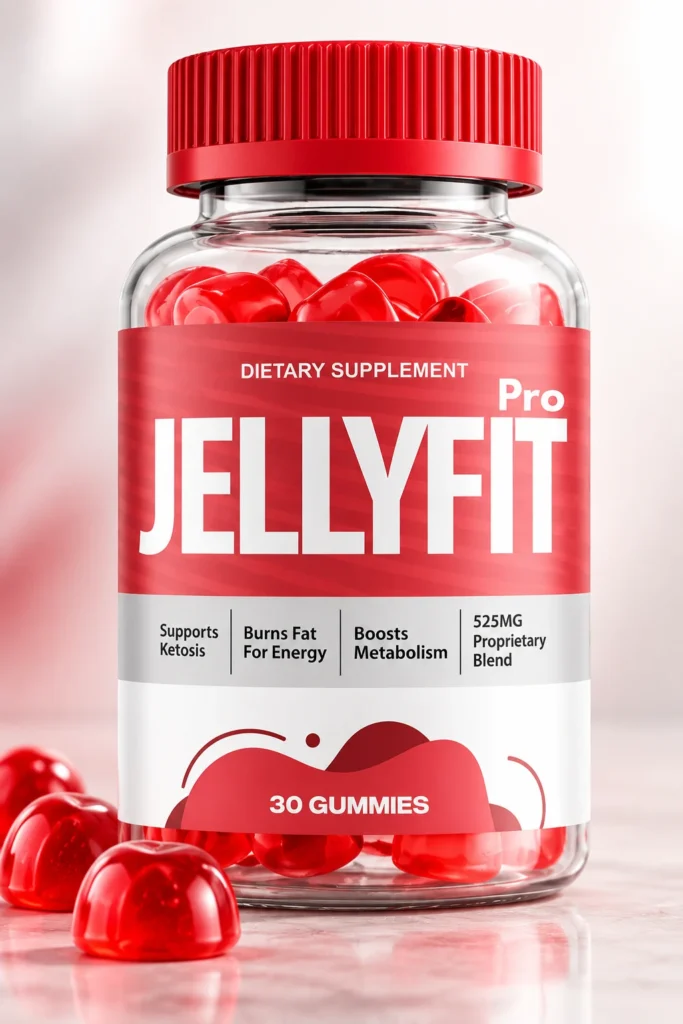
JellyFit Pro is marketed as a convenient gummy-based supplement intended to complement a person’s efforts around metabolism, glucose management, energy, ketosis, and body-weight goals. The gummy format is designed to be easier for some consumers than traditional capsules or powders.
The product has attracted attention because its marketing connects several popular nutrition concepts: metabolic health, carbohydrate management, fat metabolism, appetite control, and convenient supplementation.
However, a supplement should not be confused with a complete weight-management program. The National Institutes of Health Office of Dietary Supplements explains that healthy eating, calorie management, and physical activity remain the foundation of sustainable weight management. JellyFit Pro also notes that evidence for many supplements promoted for weight loss is limited.
So, when examining JellyFit Pro, the most useful question is not simply whether the ingredients sound impressive. The better question is whether the actual formula contains meaningful amounts of those ingredients and whether those amounts have been studied in humans.

JellyFit Pro Ingredients: What Does the Formula Contain?
One of the most important findings from researching the product is that ingredient information is not completely consistent across online sources.
One product page describes a 525 mg proprietary blend containing BHB ketones, apple cider vinegar, pomegranate extract, green tea extract/EGCG, vitamin B12, and chromium picolinate.
Another source describes a substantially different formula involving green tea extract, apple cider vinegar, a fiber blend, and vitamin B complex, while another published ingredient list mentions chicory root inulin, potato resistant starch, and a probiotic blend.
This means buyers should not rely solely on a generic ingredient list found through a search engine. The physical label and Supplement Facts panel associated with the exact product being purchased are much more important.
BHB Ketones
Beta-hydroxybutyrate, commonly abbreviated as BHB, is one of the ketone bodies produced naturally when carbohydrate availability is low and the body increases its use of fat-derived energy.
Exogenous BHB supplements are intended to increase blood ketone concentrations without requiring the same degree of carbohydrate restriction that would normally be associated with nutritional ketosis.
However, elevated blood ketones do not automatically mean that a person will lose substantial body fat. Ketosis, fat oxidation, calorie balance, appetite, physical activity, and long-term dietary habits are separate but interconnected concepts.
For that reason, BHB should be viewed as a metabolic ingredient rather than a guaranteed fat-loss mechanism.
Apple Cider Vinegar
Apple cider vinegar contains acetic acid, which has been investigated for effects involving post-meal glucose responses, appetite, gastric emptying, and metabolic markers.
Some small studies have reported potentially useful effects, but that does not mean a small amount incorporated into a gummy will reproduce the results of studies using larger quantities of vinegar or acetic acid.
This distinction is particularly important with gummy supplements because the amount of an active compound may be substantially smaller than the amount used in research.
Green Tea Extract
Green tea extract is another commonly discussed ingredient in metabolic supplements.
Its catechins, particularly epigallocatechin gallate (EGCG), have been studied for possible effects on energy expenditure and fat oxidation. However, evidence for meaningful long-term weight reduction from green tea extracts remains limited. NCCIH notes that research into green tea extracts and other supplements has not established them as reliable solutions for weight loss.
Concentrated green tea extracts also deserve more caution than ordinary brewed green tea. Safety can depend on extract concentration, caffeine content, individual health status, and how the product is taken.
Pomegranate Extract
Pomegranate contains polyphenols and other plant compounds that have attracted interest because of their antioxidant properties.
The presence of pomegranate extract can make a formulation look appealing from a nutritional perspective, but antioxidant activity by itself should not be interpreted as proof that a supplement causes significant fat loss.
More research is needed to determine the practical impact of particular pomegranate extracts, doses, and combinations in weight-management products.
Vitamin B12
Vitamin B12 plays important roles in normal red blood cell formation, neurological function, and cellular metabolism.
It is sometimes included in energy-oriented supplements because deficiency can cause fatigue and other health problems. However, providing B12 to someone who already has adequate levels does not necessarily produce a dramatic increase in energy or accelerate fat loss.
The value of B12 therefore depends partly on the nutritional status of the person using the product.
Chromium
Chromium is a mineral involved in insulin-related metabolic processes and has been included in many supplements marketed around blood sugar and weight management.
Research on chromium supplementation and body composition has produced mixed results. Even where small changes are observed, that does not establish chromium as a powerful standalone weight-loss ingredient.
Consumers should also remember that minerals can interact with medications or be inappropriate in certain circumstances, which is one reason a healthcare professional should review supplement use when someone takes prescription medication.
Order JellyFit Pro Now From Official Website
Potential Benefits of JellyFit Pro
The potential benefits of JellyFit Pro should be described carefully because the available evidence does not establish that the finished product itself produces a particular amount of weight loss.
The formula is marketed around several areas that consumers commonly associate with weight management:
- Metabolic support
- Support for healthy glucose metabolism
- Energy and daily activity
- Ketone-related nutrition
- Antioxidant support
- Appetite and dietary routine support
- Convenient daily supplementation
- Support alongside healthy eating and exercise
The important distinction is that these are potential areas of support rather than guaranteed outcomes.
A person might find a convenient gummy easier to incorporate into a routine than a powder or capsule. Better adherence to a routine can be useful, but convenience itself does not prove clinical effectiveness.
Can JellyFit Pro Really Help With Weight Loss?
This is probably the question most readers will have.
The honest answer is that the evidence available for individual ingredients does not establish that JellyFit Pro itself produces a predictable amount of weight loss.
The NIH Office of Dietary Supplements states that there is little scientific evidence supporting many products sold as weight-loss supplements. It also emphasizes that manufacturers do not generally have to demonstrate a supplement’s safety and effectiveness to the FDA before marketing it.
That does not mean every ingredient is useless. Instead, it means consumers should avoid moving from “this ingredient has been studied” to “this product will definitely cause weight loss.”
Those are two very different claims.
A realistic approach would be to treat the product as a possible addition to a broader lifestyle strategy rather than as the strategy itself.
JellyFit Pro Results: What Should You Expect?
Individual experiences can vary significantly.
Someone who improves their diet, increases protein and fiber intake, controls portion sizes, sleeps adequately, and becomes more physically active while using a supplement may notice changes over several weeks. But attributing every change to the supplement would not be scientifically sound.
Weight can also fluctuate because of:
- Water retention
- Sodium intake
- Carbohydrate intake
- Menstrual-cycle changes
- Digestive contents
- Exercise
- Sleep
- Stress
- Calorie intake
Therefore, short-term scale changes should not automatically be interpreted as body-fat changes.
A more useful way to evaluate progress is to monitor body weight under consistent conditions and consider waist measurements, physical activity, dietary habits, and overall health markers where appropriate.
JellyFit Pro How to Use

If you decide to use the JellyFit Pro, follow the serving instructions printed on the bottle you actually purchase rather than relying on dosage information from a different website.
The phrase JellyFit Pro how to use can produce different instructions online, which is another reason to verify the physical product label.
Do not automatically increase the serving because you believe a higher amount will produce faster results. More is not necessarily better, particularly with concentrated botanical extracts, stimulants or products containing multiple active ingredients.
People taking prescription medication or those with medical conditions should discuss dietary supplements with a qualified healthcare professional before use. The NIH specifically recommends additional caution for individuals with conditions such as high blood pressure, diabetes, heart disease or liver disease.
JellyFit Pro Buying Details
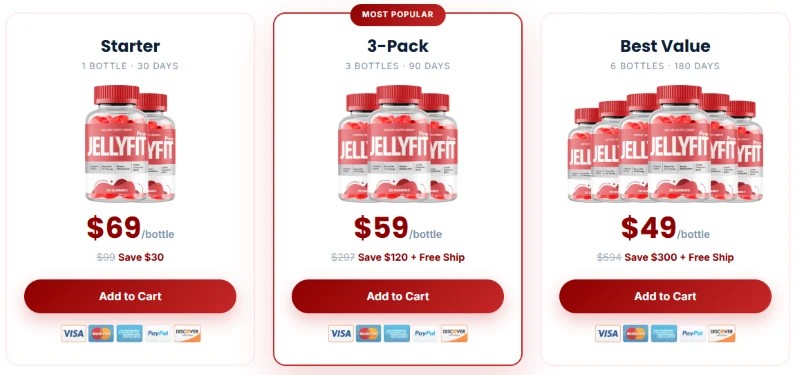
When researching JellyFit Pro buying details, consumers should focus on transparency rather than simply looking for the lowest advertised price.
Before ordering, check whether the page clearly identifies the manufacturer, provides a complete Supplement Facts panel, lists serving size and ingredient amounts, explains shipping charges and provides understandable refund terms.
It is also worth checking whether the product page you’re visiting is actually connected to the manufacturer or is an affiliate or review website. Different pages may use similar branding while providing different information.
For the same reason, consumers searching for the JellyFit Pro official website should verify the domain carefully before entering payment information.
Is There an Official JellyFit Pro Website?
Search results currently show several websites describing themselves as official or authoritative sources, while their product descriptions are not completely consistent.
For that reason, readers should verify the seller carefully rather than clicking the first advertisement or search result they see.
If you decide to purchase, use the manufacturer’s clearly identified sales channel and check that the product information, refund policy, contact details, and packaging information are consistent before submitting payment.
This is particularly important for supplements because similarly named websites can sometimes create confusion.
JellyFit Pro Pros and Cons
| Potential Pros | Potential Cons |
| Convenient gummy format | Published ingredient information is inconsistent |
| Contains ingredients that have been studied individually | Individual doses may not always be clearly disclosed |
| May be easier to use than capsules for some people | Research on individual ingredients does not prove the finished product works |
| Includes ingredients associated with metabolic nutrition | Proprietary blends can make dose evaluation difficult |
| Can potentially complement a healthy lifestyle | Weight-loss supplements generally have limited evidence |
| Easy daily format | Some ingredients may interact with medications |
| Several ingredients have scientific literature behind them | Product identity should be verified before purchasing |
USA Case Study
Consider a hypothetical U.S. consumer named “Michael,” age 42, who works at a desk and wants to lose approximately 20 pounds.
Michael’s initial routine includes frequent restaurant meals, sugary drinks, limited weekday movement, and inconsistent sleep. He starts looking for supplements because he wants something easy to add to his routine.
Rather than assuming that a gummy will solve the problem, Michael first records his food intake and daily steps for two weeks. He replaces several high-calorie drinks with water, increases vegetables and lean protein, begins walking after dinner, and establishes a more consistent bedtime.
He then considers adding JellyFit Pro.
After eight weeks, Michael notices that his weight has changed and his waist measurement is lower. However, JellyFit Pro would be impossible to conclude that the supplement alone caused the improvement because several lifestyle variables changed at the same time.
This is exactly why personal testimonials should be interpreted carefully. NCCIH warns that testimonials and anecdotes are not equivalent to objective evidence.
The useful lesson from this example is not that every person will get the same outcome. Instead, it demonstrates a sensible way to evaluate a supplement: establish a consistent baseline, change one or more measurable behaviors, track progress, and avoid attributing every result to one product.
Safety Considerations
Supplements deserve the same level of care as any other health-related product.
Some ingredients can interact with prescription or over-the-counter medications. People with diabetes, high blood pressure, cardiovascular conditions, liver disease, or other medical concerns should be particularly careful.
The NIH specifically recommends discussing weight-loss supplements with a healthcare provider, especially for people with medical conditions or those taking medicines.
Another concern is the use of concentrated botanical extracts. A product containing green tea extract, for example, is not automatically equivalent to drinking a cup of green tea.
Possible warning signs when evaluating any supplement include:
- Undisclosed ingredient quantities
- Unrealistic promises
- Claims of effortless or guaranteed weight loss
- Conflicting labels across websites
- No clear manufacturer information
- Pressure to purchase immediately
- Lack of transparent refund terms
- Testimonials presented as scientific proof
How to Evaluate the Label Before Buying
A good supplement label should allow a consumer to understand what they are taking.
Look for the complete Supplement Facts panel and check whether the amount of each active ingredient is disclosed.
A proprietary blend containing a total amount but not the quantity of each ingredient makes it more difficult to compare the formula with clinical research.
For example, if a study uses a specific amount of an ingredient but the product does not disclose its amount, it is impossible to know whether the supplement delivers a comparable dose.
This is one of the most important lessons from reviewing the currently available information surrounding JellyFit Pro.
Who Might Consider It?
An adult who is generally healthy and interested in adding a convenient supplement to an established nutrition and activity routine may consider researching the product further.
However, that does not mean it is appropriate for everyone.
Anyone who is pregnant or breastfeeding, taking prescription medication, managing diabetes, has liver concerns, or has another significant medical condition should speak with a healthcare professional before starting a new supplement.
People should also avoid using a supplement as a replacement for medically recommended treatment.
Frequently Asked Questions
1. Is JellyFit Pro a weight-loss supplement?
JellyFit Pro is marketed around metabolic and weight-management goals, but the available evidence does not establish a guaranteed amount of weight loss from the finished product. The NIH states that evidence for many weight-loss supplements is limited.
2. How long does it take to see results?
There is no scientifically established timeline for results from the finished product. Weight changes depend on calorie intake, activity, sleep, genetics, starting weight, health status, and many other factors.
3. Can I take it with other supplements?
That depends on the complete ingredient list and the other supplements being used. Combining products can result in duplicate ingredients or excessive intake. Checking with a healthcare professional is sensible when multiple products are involved.
4. Is JellyFit Pro clinically proven?
The ingredients have varying degrees of scientific research, but strong clinical evidence demonstrating that the finished commercial formulation produces a predictable weight-loss result is not clearly established in the sources reviewed.
5. What should I check before ordering?
Check the exact label, serving size, ingredient amounts, manufacturer information, shipping costs, refund conditions, and whether the sales page matches the physical product.
Final Thoughts
JellyFit Pro is an interesting example of how modern supplement marketing combines several popular nutrition concepts into a convenient gummy format.
The formula descriptions currently available online include ingredients associated with ketosis, glucose metabolism, antioxidant activity, and metabolic support. Some of these ingredients have legitimate scientific research behind them.
At the same time, there are important reasons to approach the product carefully.
The most significant issue is inconsistency between published product descriptions. Different websites have presented different formulas, which makes it difficult to evaluate the exact product without checking the label associated with the specific purchase.
There is also an important difference between evidence for an ingredient and evidence for a finished supplement. An ingredient can have promising research without proving that a particular gummy, containing a particular dose and combination, will produce meaningful weight loss.
For anyone considering JellyFit Pro, the sensible approach is to verify the formula, examine the ingredient amounts, read the purchasing and refund conditions, and keep expectations realistic.
A healthy eating pattern, appropriate calorie intake, regular physical activity, adequate sleep, and sustainable habits remain the foundation of long-term weight management. Supplements may have a supporting role for some people, but they should not replace those fundamentals.
Before You Buy: Quick Checklist
- Verify the exact product label.
- Check individual ingredient quantities.
- Look for a complete Supplement Facts panel.
- Review the refund policy.
- Check shipping and recurring-order terms.
- Avoid unrealistic weight-loss promises.
- Consider potential medication interactions.
- Speak with a healthcare professional if you have a medical condition.
- Remember that testimonials are not clinical evidence.
- Evaluate progress over time rather than expecting overnight changes.
If, after reviewing the label and terms, you decide that the product fits your needs, use the manufacturer’s verified purchasing channel rather than an unknown third-party seller.
Order JellyFit Now only after confirming the exact formula, price, shipping terms, and refund conditions presented at checkout.
Scientific and Reference Sources
National Institutes of Health – Office of Dietary Supplements: The NIH consumer fact sheet explains the evidence, limitations, safety considerations, and regulatory background surrounding dietary supplements marketed for weight loss.
NIH Office of Dietary Supplements – Health Professional Fact Sheet: Provides more detailed information about weight-loss supplements, common ingredients, evidence limitations, and safety considerations.
National Center for Complementary and Integrative Health (NCCIH): Provides consumer guidance on evaluating supplements marketed for weight loss and warns against exaggerated claims and unsupported testimonials.
NCCIH Clinical Digest: Reviews the evidence surrounding several dietary supplements promoted for weight loss and highlights limitations in the available research.
Product information reviewed: Publicly available JellyFit Pro ingredient and product pages were compared because multiple online descriptions currently provide different formula information.
Author


Your Health Rights is a U.S.-based health and wellness platform dedicated to empowering readers with clear, research-backed content across Men’s Health, Women’s Health, Weight Loss, Health Supplements, and Immunity & General Wellness.