





Quick Answer
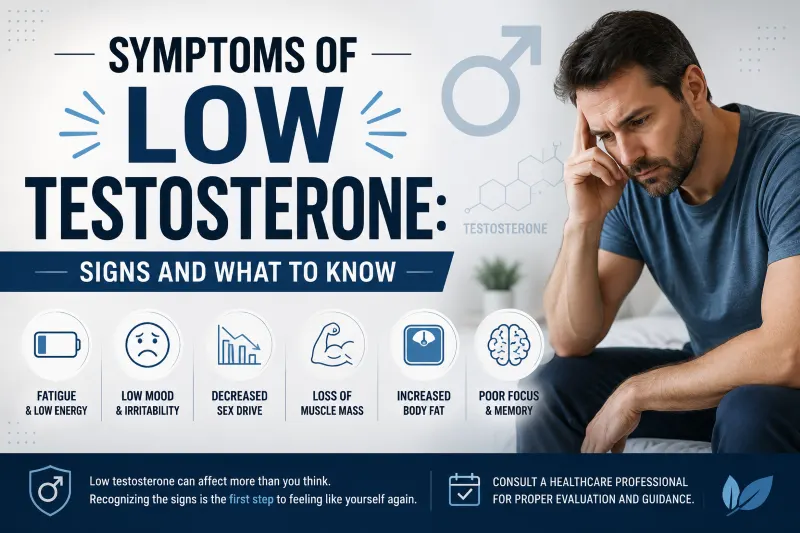
Low testosterone may cause symptoms such as reduced energy, low sex drive, mood changes, decreased muscle mass, increased body fat, and difficulty concentrating. Symptoms can vary from person to person and may develop gradually over time.
Introduction
Testosterone is an important hormone that plays a key role in men’s health. It helps support muscle growth, bone strength, energy levels, mood, and sexual health. While testosterone naturally declines with age, some individuals may experience levels that are lower than expected.
At Your Health Rights, we believe that understanding the signs of low testosterone can help individuals make informed decisions about their health. This guide explains the common symptoms, possible causes, and lifestyle habits that may support overall hormonal health.
What Is Testosterone?
Testosterone is a hormone primarily produced in the testes in men and in smaller amounts in women. It plays an important role in:
- Muscle development
- Bone health
- Energy production
- Mood regulation
- Sexual health
- Hair growth
Healthy testosterone levels contribute to overall physical and mental well-being.
Why Is Testosterone Important?
Testosterone affects many functions throughout the body. Healthy levels may help support:
- Physical strength
- Energy levels
- Healthy body composition
- Mental focus
- Sexual wellness
- Overall quality of life
When testosterone levels become low, various symptoms may appear.
Common Symptoms of Low Testosterone
1. Low Energy Levels
Can Low Testosterone Cause Fatigue?
One of the most common symptoms of low testosterone is persistent fatigue. Some individuals may feel tired even after getting enough sleep and rest.
Low energy levels can make daily activities feel more challenging and may reduce motivation to exercise or stay active.
2. Reduced Sex Drive
Does Low Testosterone Affect Libido?
Testosterone plays an important role in sexual desire. Lower levels may contribute to a noticeable decrease in libido or interest in sexual activity.
While many factors can influence sex drive, hormonal changes may be one possible cause.
3. Loss of Muscle Mass
Can Low Testosterone Affect Muscle Growth?
Testosterone helps support muscle development and maintenance. Low levels may make it more difficult to build or maintain muscle mass over time.
Some individuals may notice reduced strength and physical performance.
4. Increased Body Fat
Does Low Testosterone Cause Weight Gain?
Lower testosterone levels may be associated with changes in body composition. Some individuals may notice increased body fat, especially around the abdomen.
Healthy eating habits and regular physical activity remain important for maintaining a healthy weight.
5. Mood Changes
Can Low Testosterone Affect Mood?
Some people with low testosterone may experience:
- Irritability
- Low motivation
- Mood swings
- Feelings of sadness
Hormonal changes can sometimes affect emotional well-being and daily life.
6. Difficulty Concentrating
Does Low Testosterone Affect Focus?
Some individuals report problems with concentration, memory, and mental clarity when testosterone levels are low.
These symptoms are sometimes referred to as “brain fog.”
7. Reduced Physical Strength
Can Low Testosterone Make You Feel Weaker?
Because testosterone helps support muscle maintenance, lower levels may contribute to reduced strength and physical performance.
Some individuals may notice changes in exercise capacity and endurance.
8. Poor Sleep Quality
Is Sleep Affected by Low Testosterone?
Sleep and testosterone levels are closely connected. Some individuals with low testosterone may experience sleep disturbances or poor sleep quality.
Likewise, insufficient sleep may also affect hormone production.
9. Reduced Bone Strength
Does Testosterone Support Bone Health?
Testosterone contributes to maintaining healthy bones. Long-term low testosterone levels may affect bone density and overall skeletal health.
Maintaining an active lifestyle and balanced nutrition can help support bone health.
10. Changes in Hair Growth
Can Low Testosterone Affect Hair?
Testosterone influences hair growth patterns in the body. Some individuals may notice changes in facial hair or body hair growth when hormone levels decline.
What Causes Low Testosterone?
Several factors may contribute to lower testosterone levels.
Common causes include:
- Aging
- Chronic stress
- Poor sleep habits
- Obesity
- Certain medical conditions
- Some medications
- Lack of physical activity
Hormone levels naturally change over time, but lifestyle factors may also play a role.
Risk Factors for Low Testosterone
Some factors may increase the likelihood of developing low testosterone.
These include:
- Being overweight
- Chronic health conditions
- Poor sleep quality
- High stress levels
- Physical inactivity
- Increasing age
Understanding risk factors may help individuals take proactive steps to support their overall health.
Best Daily Habits to Support Healthy Testosterone Levels
Healthy lifestyle habits may help support overall hormonal health.
Stay Physically Active
Regular exercise can support overall wellness and healthy body composition.
Maintain a Healthy Weight
Weight management may play an important role in hormone balance.
Prioritize Sleep
Most adults benefit from 7–9 hours of quality sleep each night.
Eat a Balanced Diet
A nutritious diet that includes protein, healthy fats, fruits, and vegetables supports overall health.
Manage Stress
Chronic stress may affect hormone balance and overall well-being.
Foods That Support Overall Hormonal Health
Some nutrient-rich foods may support general health and wellness.
Examples include:
- Eggs
- Fish
- Lean meats
- Nuts and seeds
- Leafy green vegetables
- Fruits
- Whole grains
A balanced diet is one of the foundations of healthy living.
Best Foods for Testosterone Support
Eggs
Eggs provide protein, healthy fats, and important nutrients that support overall health and wellness.
Fatty Fish
Fish such as salmon and sardines contain healthy fats and nutrients that support a balanced diet.
Nuts and Seeds
Nuts and seeds provide healthy fats, minerals, and plant nutrients that contribute to overall wellness.
Leafy Green Vegetables
Leafy greens contain vitamins and minerals that support a healthy lifestyle.
Lean Protein Sources
Chicken, turkey, and other lean proteins help support muscle maintenance and overall health.
When Should You Talk to a Healthcare Professional?
If symptoms such as persistent fatigue, reduced sex drive, mood changes, or muscle loss continue over time, it may be helpful to speak with a healthcare professional.
A medical evaluation can help identify possible causes and determine whether hormone testing is appropriate.
How Is Low Testosterone Diagnosed?
Healthcare professionals typically evaluate symptoms, medical history, and blood test results when assessing testosterone levels. Testing is often performed in the morning when testosterone levels are naturally highest.
Can Testosterone Levels Decline With Age?
Yes. Testosterone levels naturally decrease with age. However, the rate and impact can vary from person to person.
Not every age-related change is caused by low testosterone, which is why proper evaluation is important.
Low Testosterone vs Normal Aging
Many men experience changes in energy, muscle mass, and libido as they get older. However, not every age-related change is caused by low testosterone. Normal aging and testosterone deficiency can sometimes share similar symptoms, which is why proper medical evaluation is important.
Can Lifestyle Changes Help Support Healthy Testosterone Levels?
Healthy lifestyle habits may help support overall hormonal health. These habits include:
- Regular physical activity
- Strength training
- Healthy body weight
- Quality sleep
- Stress management
- Balanced nutrition
While lifestyle changes may not address every cause of low testosterone, they can support overall wellness and healthy hormone function.
Men’s Health is influenced by many factors, including hormone balance, nutrition, physical activity, sleep quality, and stress management. Paying attention to these areas may help support overall well-being, maintain energy levels, and promote a healthier lifestyle as men age.
Key Takeaways
- Low testosterone may affect energy, mood, muscle mass, and sexual health.
- Symptoms can develop gradually over time.
- Aging, poor sleep, obesity, and stress may contribute to lower testosterone levels.
- Healthy lifestyle habits can support overall hormonal health.
- Persistent symptoms should be discussed with a healthcare professional.
Scientific References
- Cleveland Clinic – Low Testosterone (Low T): Symptoms & Causes
Explains common symptoms such as low libido, fatigue, decreased muscle mass, mood changes, and concentration problems. - NIH (NCBI) – Male Hypogonadism
Comprehensive medical review discussing symptoms, diagnosis, causes, and testosterone deficiency in men. - Mayo Clinic – Male Hypogonadism: Symptoms & Causes
Covers symptoms such as erectile dysfunction, infertility, reduced muscle mass, bone loss, and concentration difficulties. - Urology Care Foundation – Low Testosterone
Discusses fatigue, low sex drive, erectile dysfunction, depression, and reduced lean muscle mass associated with low testosterone. - MedlinePlus – Testosterone Levels Test
Government health resource describing symptoms that may indicate low testosterone and when testing may be recommended.
People Also Ask
What Are the First Signs of Low Testosterone?
Early signs may include low energy, reduced sex drive, mood changes, difficulty concentrating, and decreased motivation.
Can Low Testosterone Cause Weight Gain?
Low testosterone may contribute to changes in body composition, including increased body fat and reduced muscle mass.
Does Low Testosterone Make You Tired?
Yes. Persistent fatigue and reduced energy levels are among the most commonly reported symptoms of low testosterone.
Can Exercise Help Support Testosterone Levels?
Regular physical activity may support overall hormonal health and healthy body composition.
What Age Does Testosterone Start Declining?
Testosterone levels naturally begin to decline with age, although the timing and rate of decline can vary among individuals.
Can Poor Sleep Affect Testosterone?
Yes. Poor sleep quality may affect hormone production and overall health.
Which Foods Support Healthy Testosterone Levels?
Foods such as eggs, fish, lean meats, nuts, seeds, and leafy green vegetables can be part of a balanced diet that supports overall wellness.
Should I Get Tested for Low Testosterone?
If you experience persistent symptoms that affect your daily life, a healthcare professional can help determine whether testing is appropriate.
Final Thoughts
Testosterone plays an important role in energy levels, muscle health, mood, and overall well-being. While levels naturally change with age, persistent symptoms such as fatigue, reduced libido, muscle loss, and difficulty concentrating may be worth discussing with a healthcare professional. Understanding the signs of low testosterone can help individuals take proactive steps toward better health.
Disclaimer
This article is for informational and educational purposes only and is not intended as medical advice. Always consult a qualified healthcare professional regarding concerns about hormone levels, symptoms, or treatment options.
Author


Richard Miller is a lifestyle and health writer. His main focus is on improving daily healthy habits, energy levels, and overall wellness. He provides practical and evidence-based blogs and guides to ensure his readers receive value.
