






Your gut does far more than simply digest food. It influences energy levels, immunity, metabolism, mood, and even weight management. When your gut is healthy, your entire body tends to function better. But when digestion is out of balance, you may experience bloating, fatigue, irregular bowel movements, cravings, and many other uncomfortable symptoms.
In recent years, gut health has become one of the most discussed topics in wellness and nutrition. Researchers and health experts now understand that the gut contains trillions of microorganisms — often called the gut microbiome — which play a critical role in digestion and overall health.
The foods you eat every day directly influence these microbes. Some foods nourish beneficial bacteria, while others may disrupt digestive balance.
That’s where the Gut Health comes in.
A gut-friendly diet focuses on foods that support beneficial bacteria, reduce inflammation, and promote smooth digestion. When followed consistently, it can help restore digestive balance and improve overall wellbeing.
In this guide, we’ll explore what gut health really means, which foods support digestion, what to avoid, and how to create a simple gut-friendly eating plan.
Quick Overview: The Gut Health Diet
| Category | Key Details |
| Diet Focus | Improve digestion and support healthy gut bacteria |
| Main Goal | Reduce bloating, improve nutrient absorption, support metabolism |
| Key Nutrients | Fiber, probiotics, prebiotics, polyphenols |
| Best Foods | Yogurt, fermented foods, fruits, vegetables, whole grains |
| Foods to Limit | Processed foods, excess sugar, artificial sweeteners |
| Benefits | Better digestion, stronger immunity, more energy |
| Ideal For | Anyone experiencing digestive discomfort or wanting better gut balance |
Understanding Gut Health
Your digestive system is home to trillions of microorganisms including bacteria, fungi, and other microbes. Together they form what scientists call the gut microbiome.
These microbes help with several important processes:
• Breaking down food
• Absorbing nutrients
• Supporting immune function
• Producing essential vitamins
• Regulating metabolism
• Supporting brain health
A balanced microbiome contains a wide variety of beneficial bacteria. However, factors like stress, poor diet, antibiotics, and lack of sleep can disrupt this balance.
When harmful bacteria begin to outnumber beneficial ones, digestive problems can develop.
Common signs of poor gut health include:
• Frequent bloating
• Constipation or diarrhea
• Acid reflux
• Food sensitivities
• Low energy
• Sugar cravings
• Skin problems
• Poor sleep
Fortunately, improving gut health often starts with one simple change: improving your diet.
Why Diet Matters for Gut Health
Every meal you eat feeds the microbes in your digestive system.
Healthy foods nourish beneficial bacteria, helping them grow and multiply. Unhealthy foods may feed harmful bacteria instead.
Think of your gut microbiome like a garden.
Healthy foods help good bacteria flourish like healthy plants. Processed foods and excessive sugar may allow harmful microbes to spread like weeds.
A gut-friendly diet works by:
• Increasing beneficial bacteria
• Reducing digestive inflammation
• Supporting healthy digestion
• Improving nutrient absorption
• Strengthening immune response
When your gut microbiome improves, many people also notice improvements in energy levels, mood, and metabolism.
The Best Foods for a Gut Health Diet
Improving digestion starts with choosing foods that support healthy bacteria.
Below are some of the most beneficial foods for gut health.
1. Fiber-Rich Foods
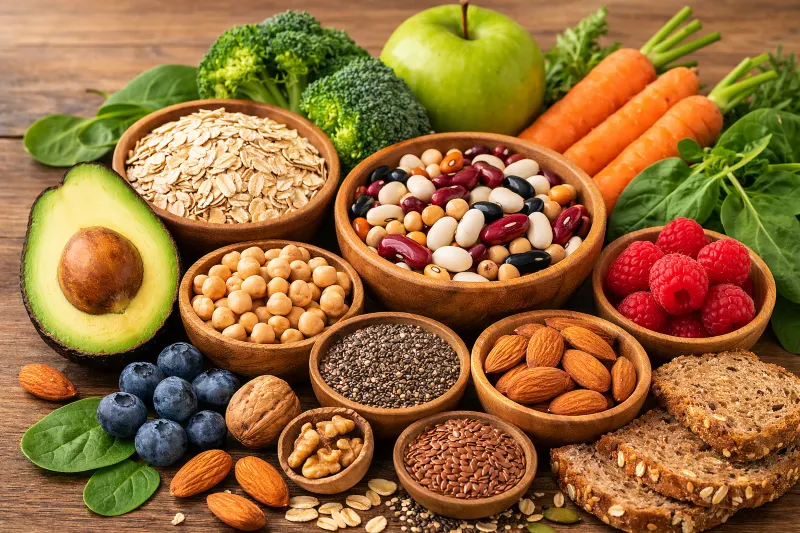
Fiber is one of the most important nutrients for digestive health.
Although humans cannot digest fiber directly, beneficial gut bacteria feed on it. As they break it down, they produce compounds that help maintain the gut lining and reduce inflammation.
Fiber also helps regulate bowel movements and supports overall digestion.
Examples of fiber-rich foods include:
• Oats
• Whole grains
• Beans
• Lentils
• Apples
• Berries
• Broccoli
• Carrots
• Chia seeds
Eating a wide variety of plant-based foods can significantly increase the diversity of your gut microbiome.
Experts often recommend aiming for 25–35 grams of fiber per day.
2. Probiotic Foods
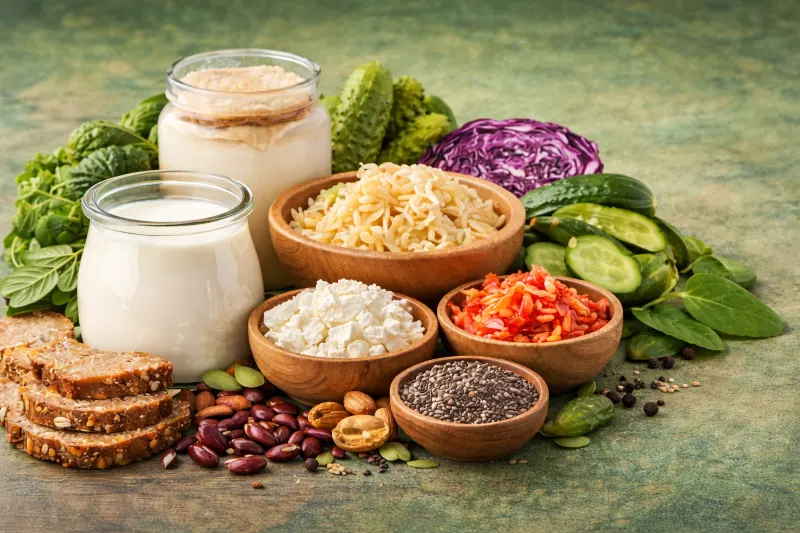
Probiotics are live beneficial bacteria that help maintain a balanced gut microbiome.
When consumed regularly, probiotic foods may help restore healthy bacteria levels and support digestion.
Some of the best probiotic foods include:
• Yogurt with live cultures
• Kefir
• Sauerkraut
• Kimchi
• Miso
• Tempeh
• Fermented vegetables
These foods introduce beneficial microbes into the digestive system.
For people with digestive issues, including probiotic foods in daily meals may support improved gut balance over time.
3. Prebiotic Foods
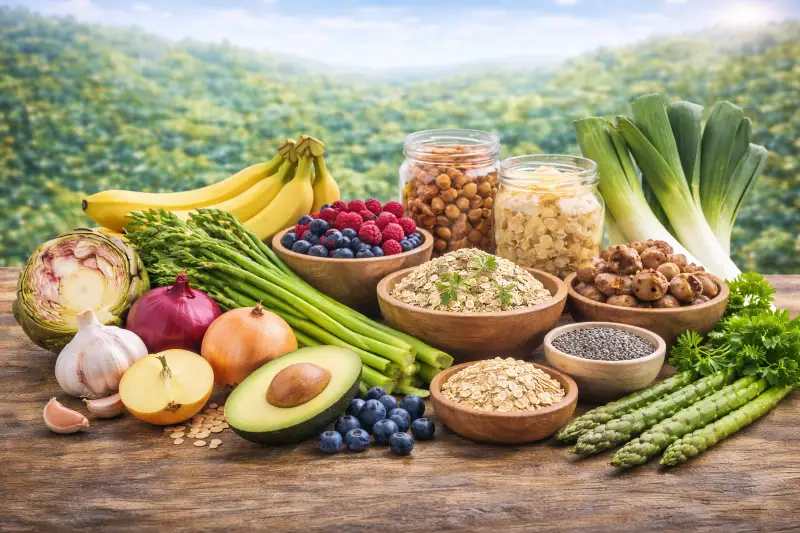
While probiotics introduce beneficial bacteria, prebiotics feed those bacteria.
Prebiotics are a special type of fiber that nourishes healthy gut microbes.
Without prebiotics, probiotics cannot thrive effectively.
Examples of prebiotic foods include:
• Garlic
• Onions
• Bananas
• Asparagus
• Leeks
• Chicory root
• Whole grains
Adding prebiotic foods to your diet helps create the ideal environment for beneficial bacteria to grow.
4. Fermented Foods
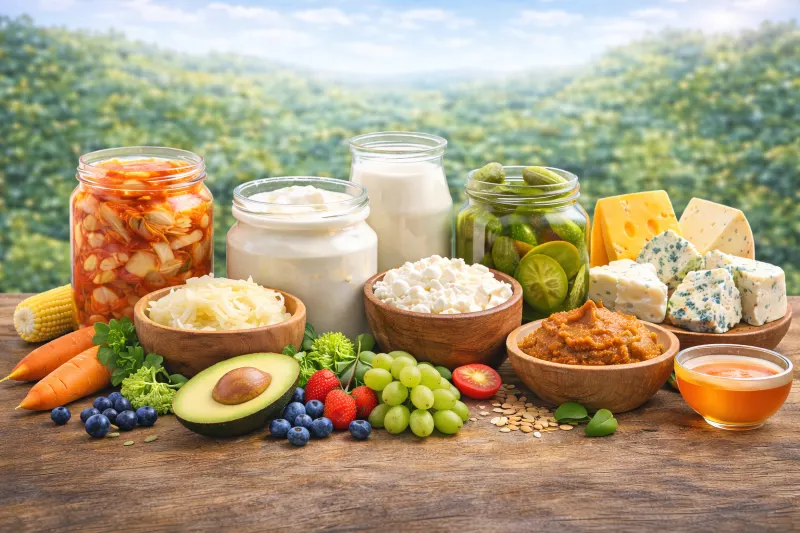
Fermented foods naturally contain beneficial bacteria created during the fermentation process.
These foods have been consumed in traditional diets for centuries and are known for their digestive benefits.
Fermented foods can:
• Improve gut bacteria diversity
• Enhance digestion
• Support immune health
Common fermented foods include:
• Yogurt
• Pickled vegetables
• Kombucha
• Kimchi
• Fermented soy products
Adding small amounts of fermented foods to your diet regularly can be beneficial for gut health.
5. Fruits and Vegetables
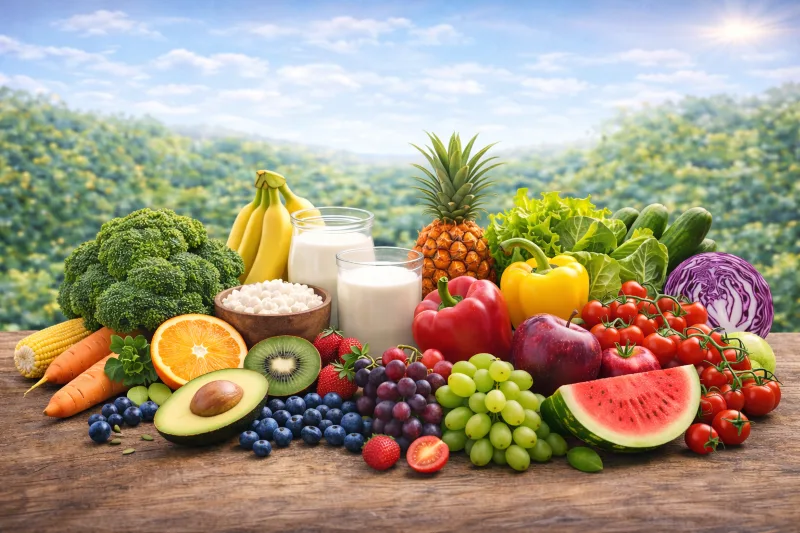
Fruits and vegetables provide fiber, vitamins, minerals, and antioxidants that support digestion.
Many plant foods also contain compounds called polyphenols, which beneficial bacteria can use as fuel.
Gut-friendly fruits include:
• Apples
• Berries
• Pomegranates
• Bananas
• Papaya
Gut-friendly vegetables include:
• Spinach
• Broccoli
• Kale
• Carrots
• Sweet potatoes
The key is variety. The more different plant foods you eat, the more diverse your gut microbiome becomes.
Foods That May Harm Gut Health
Just as some foods support digestion, others may negatively impact the gut microbiome.
Reducing these foods can help improve digestive balance.
Highly Processed Foods
Highly processed foods often contain additives, preservatives, and artificial ingredients that may disrupt gut bacteria.
These foods are also typically low in fiber and nutrients.
Examples include:
• Packaged snack foods
• Fast food
• Instant meals
• Sugary cereals
Limiting processed foods can help support a healthier digestive system.
Excess Sugar
Too much sugar can feed harmful bacteria and yeast in the gut.
This imbalance may contribute to inflammation and digestive issues.
High sugar intake is often linked to:
• Bloating
• Fatigue
• Cravings
• Blood sugar spikes
Reducing added sugars can help maintain a healthier microbial balance.
Artificial Sweeteners
Some research suggests artificial sweeteners may disrupt gut bacteria.
Although they contain few calories, they may negatively affect microbial diversity.
Common artificial sweeteners include:
• Aspartame
• Saccharin
• Sucralose
Moderation is key when consuming sweetened foods or beverages.
Sample Gut Health Diet Plan
Creating a gut-friendly meal plan does not need to be complicated.
Here is a simple example of a day focused on digestive health.
Breakfast
Oatmeal topped with berries, chia seeds, and yogurt.
Mid-Morning Snack
Apple slices with almond butter.
Lunch
Quinoa bowl with roasted vegetables, spinach, and fermented vegetables.
Afternoon Snack
Banana with a handful of walnuts.
Dinner
Grilled salmon with sweet potatoes and steamed broccoli.
Optional Evening Snack
Kefir or yogurt with flax seeds.
This type of meal pattern provides fiber, probiotics, healthy fats, and antioxidants that support digestion.
Lifestyle Habits That Support Gut Health
Diet is essential, but lifestyle factors also play an important role in digestive health.
Simple habits that support a healthy gut include:
Eat Slowly
Eating too quickly may cause bloating and poor digestion.
Stay Hydrated
Water helps food move smoothly through the digestive tract.
Manage Stress
Chronic stress can disrupt gut bacteria and digestive function.
Get Enough Sleep
Sleep supports many bodily processes including digestion.
Stay Physically Active
Regular movement supports healthy digestion and metabolism.
When combined with a gut-friendly diet, these habits can significantly improve digestive wellness.
How Long Does It Take to Improve Gut Health?
Improving gut health is not an overnight process.
The microbiome adapts gradually to dietary changes.
Some people notice improvements in digestion within a few weeks, while deeper changes in microbial diversity may take several months.
Consistency is the most important factor.
Eating gut-friendly foods regularly allows beneficial bacteria to grow and stabilize.
Over time, this can lead to noticeable improvements in digestion, energy levels, and overall wellbeing.
Signs Your Gut Health Is Improving
As your digestive system becomes more balanced, you may notice several positive changes.
These may include:
• Reduced bloating
• More regular bowel movements
• Improved energy levels
• Better digestion
• Fewer cravings
• Improved mood
• Healthier skin
Although everyone’s body is different, these signs often indicate that the gut microbiome is becoming more balanced.
The Future of Gut Health Research
Interest in gut health continues to grow rapidly.
Scientists are discovering new ways the microbiome influences different aspects of health, including metabolism, immune function, and mental wellbeing.
In the future, personalized nutrition based on individual microbiomes may become more common.
For now, simple dietary habits — like eating more fiber-rich whole foods and fermented foods — remain some of the most effective ways to support gut health.
Final Thoughts
Your gut plays a central role in your overall health. From digestion to immunity and even mental wellbeing, the microbiome influences many important bodily processes.
The good news is that improving gut health does not require extreme diets or complicated plans.
Small changes in everyday eating habits can make a significant difference.
Focusing on whole foods, fiber-rich plants, fermented foods, and balanced meals can help nourish beneficial gut bacteria and support smoother digestion.
Over time, these habits may lead to better energy, improved digestion, and a stronger foundation for long-term health.
By prioritizing gut health through your diet, you are not only supporting digestion — you are supporting the health of your entire body.
Frequently Asked Questions About Gut Health
1. What is gut health and why is it important?
Gut health refers to the balance and function of microorganisms living in the digestive system, often called the gut microbiome. These microbes help break down food, absorb nutrients, support the immune system, and influence overall health.
2. How long does it take to improve gut health?
Improving gut health takes time and consistency. Some people may notice improvements in digestion within a few weeks after making dietary changes. However, fully restoring gut microbiome balance can take several months depending on lifestyle habits, diet, and overall health.
4. Are probiotics necessary for gut health?
Probiotics can be helpful for supporting digestive health, but they are not always necessary. Many people can maintain a healthy gut microbiome simply by eating probiotic-rich foods and fiber-rich plant foods. Supplements may be useful in certain situations, such as after antibiotic use or digestive imbalance.
4. Can gut health affect weight and metabolism?
Yes, gut health may influence weight management and metabolism. The gut microbiome plays a role in how the body processes nutrients, regulates hunger hormones, and stores fat. A balanced gut microbiome may support better metabolism and energy levels.
5. Can drinking water improve digestion?
Yes, staying properly hydrated supports healthy digestion. Water helps break down food, absorb nutrients, and move waste through the digestive tract. Drinking enough water throughout the day can help prevent constipation and improve overall digestive function.
Author: Emma Collins
Wellness & Nutrition Writer (USA)
Emma Collins, a US-based wellness and nutrition writer, helps people improve gut health and digestion and live healthier lives with simple, practical advice. She enjoys breaking down health challenges into clear, effective advice that is easy to follow. In her spare time, she enjoys going on nature walks and preparing healthy, gut-friendly foods.
VISIT MORE GUT HEALTH SUPPLEMENT
Author

Your Health Rights is a U.S.-based health and wellness platform dedicated to empowering readers with clear, research-backed content across Men’s Health, Women’s Health, Weight Loss, Health Supplements, and Immunity & General Wellness. With a commitment to honest, evidence-based reporting, the platform covers everything from natural weight loss strategies and gut health to testosterone support and blood sugar management .


